
当日/次日达

品质保障

开启新人专享福利: 全场免邮 | 低至 2 折 | 免费试用 30 天 JoyPlus 会员
下载 Joybuy
Asian instant noodles are handy for students, busy working days and quick meals at home. However, packs can vary considerably in flavour, preparation, quantity and ingredients. An appealing image or the term “Korean ramen” tells you little about what is actually inside the packet.
If you buy without comparing, you are most likely to encounter three pitfalls:
Not all Asian instant noodles are prepared in the same way. Shin Ramyun, kimchi noodles and many Chinese instant noodles are intended as noodle soup. You cook the noodles with water and seasoning powder.
Indomie Mi Goreng is instead a dry stir-fry variety. After cooking, drain the water and mix the noodles with oil, sweet soya sauce, seasoning and chilli powder. According to the product information, Samyang Buldak Carbonara is also prepared as a stir-fry noodle dish. This difference determines how much water you need and the texture you get.
Pay attention to the preparation time, too. The products mentioned are generally ready in around 3 to 5 minutes. Always follow the instructions on the packaging, as the required amount of water and cooking time may vary between varieties.
Choose your preferred flavour profile first, then the brand. Popular options include:
Spiciness is subjective, and not every product uses the same scale to indicate its heat level. If you are unsure, start with a smaller pack. An egg, extra vegetables or a milder topping can adapt the meal to your preferences, but it does not change the composition of the seasoning mix.
Compare the net weight per packet or cup, rather than just the number of packs. A box containing 20 packets sounds large, but the weight per portion may vary. For occasional use, a 5-pack is often a manageable choice. For a household or a well-stocked cupboard, a larger pack may be more practical.
Also check the nutritional values per 100 grams and the ingredients list. The values vary between the varieties mentioned. For example, Nongshim Shin Ramyun states 3.8 grams of salt per 100 grams, while some other varieties contain more. This does not automatically make a product suitable or unsuitable, but it is relevant information when comparing options.
Before buying, pay particular attention to:
The information on the packaging takes precedence. Product pages may show less recent information, so always read the label and preparation instructions before eating.
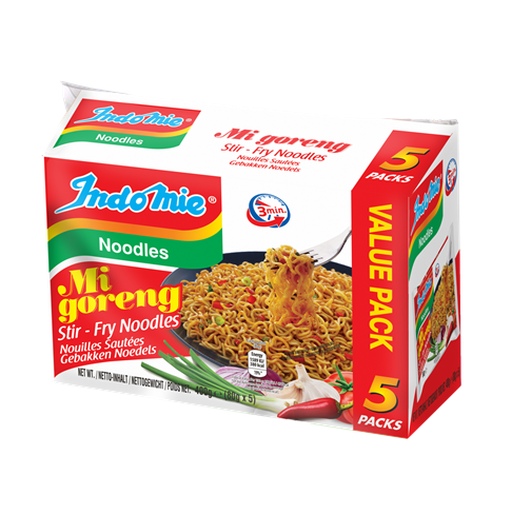
Why it suits this profile: A 5-pack is a manageable choice for anyone trying Asian noodles for the first time. The dry preparation is different from a standard noodle soup, but easy to follow.
The product description clearly states that these are stir-fry noodles and specifies a contents of 5 × 80 grams.
Dry Mi Goreng style; seasoning oil, sweet soya sauce and chilli powder included.
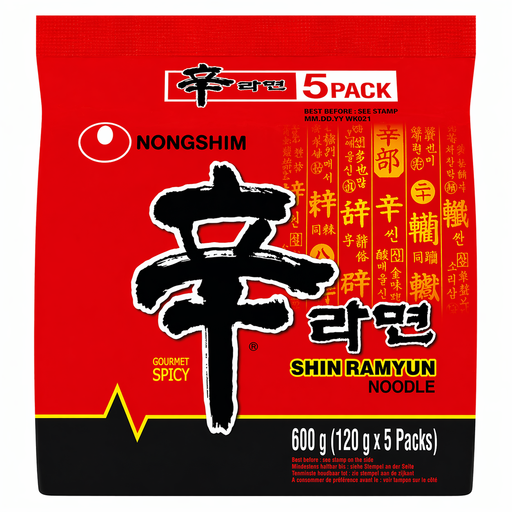
Why it suits this profile: Suitable for anyone looking for a recognisable Korean ramen style with a spicy broth in a compact multipack.
The packaging states that it contains 5 packets of 120 grams, while the product information describes it as a spicy Korean noodle soup.
Seasoned with chilli, garlic and vegetables; according to the product information, ready in approximately 4.5 minutes.
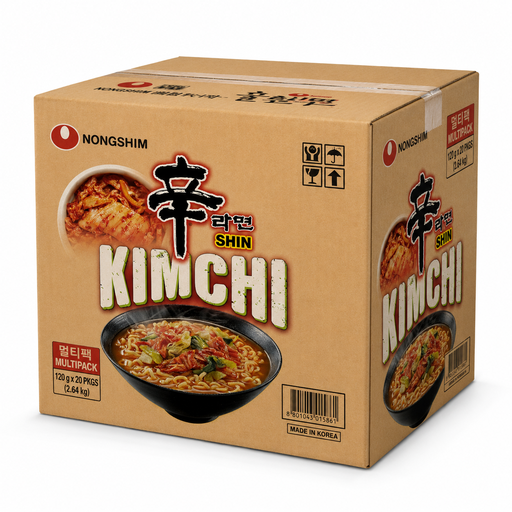
Why it suits this profile: A bulk pack is ideal for households that regularly eat noodle soup and want to keep a supply at home.
The quantity of 20 portions is clearly stated in the product name. However, check the best-before date and available storage space before buying.
Kimchi and vegetable flakes; suitable as a quick soup meal or snack.
We have put together a complete, up-to-date list of products that fully meet these strict selection criteria and the applicable European safety regulations.
Use the amount of water and cooking time stated on the packaging. Set a timer and stir briefly while cooking. For dry varieties such as Indomie Mi Goreng or Buldak ramen, drain the water after cooking before adding the sauce and seasoning.
Check the best-before date on the packaging and store unopened products in a cool, dry place away from direct sunlight. Check packets or cups for damage. Once prepared, it is best to eat the noodles straight away.
That varies by product. Wheat and soya are common ingredients, while carbonara varieties may contain milk, and some prawn or kimchi flavours may list fish, shellfish or other allergens. Always read the current ingredients list and allergen warning on the packaging before buying or preparing the product.
