
Vandaag of morgen in huis

Kwaliteit gegarandeerd

Welkomstaanbiedingen ontgrendelen: GRATIS bezorging | Tot 80% korting | Gratis 30 dagen JoyPlus-proefperiode
Download de app
Asian instant noodles are a handy option for a quick meal, a snack, or to keep in the cupboard. Yet the choice goes far beyond just “mild” or “spicy”. Korean ramen, Chinese instant noodles, noodle soup and dry noodles each have a different cooking method, flavour and composition.
If you only look at the packaging or a striking flavour name, you could be in for a surprise. The three most common pitfalls are:
With ramen and noodle soup, the seasoning and broth stay in the cooking water. Nongshim ramen, Shin Ramyun and many Ottogi products are typically cooked with water and served as a soup. Check the recommended amount of water, because too much will make the broth thinner.
With dry noodles, you cook the noodles first, drain the water and then stir the sauce or seasoning through. Samyang Buldak is a well-known example of this. This method gives a more intense flavour with every bite, but the heat can also feel stronger as a result.
According to the product information, ISDG Hot Dry Noodles comes with several sachets: sauce, sesame paste, chilli oil and vegetables. This lets you adjust the amount of chilli oil yourself.
Most instant ramen is ready in around four to five minutes. Some products, such as Hikari Miso Restaurant Style Ramen, are designed as a simple noodle soup. According to the product description, Hefu Noodle uses semi-dried, non-fried noodles. The stated cooking time is three to four minutes.
Look out for the following points:
A longer cooking time doesn’t automatically mean a better texture. Follow the instructions on the packet and check whether the noodles are firm enough for your liking after cooking.
On the label, nutritional values are usually given per 100 grams. So don’t just compare the numbers, but also the weight per sachet. A portion of 120 or 130 grams contains more product than a 100-gram sachet.
The nutritional information in the product listings shows clear differences. Uni-President 100 Braised Beef, for example, states 2.3 grams of salt per 100 grams, while some other ramen products show significantly more. Hikari Miso Restaurant Style Ramen lists 10.9 grams of salt per 100 grams. Always check the current packaging, as recipes and labels can change.
Common allergens include:
Also look out for warnings about sweeteners or colourings. ISDG, for example, includes a warning about tartrazine and sweeteners. This is especially relevant if you’re buying for children or want to avoid certain ingredients.
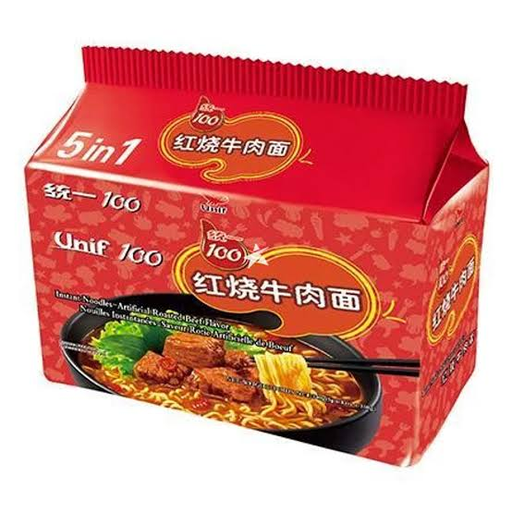
Why this fits the profile: A pack of five sachets is manageable for students, small households, or anyone wanting to try a classic beef flavour first.
The product information states a cooking time of around five minutes and lists wheat and soya as allergens. This means you can check the flavour, time and ingredients in advance.
Five 100-gram portions, beef flavour and dried vegetables including spring onion, carrot and cabbage.
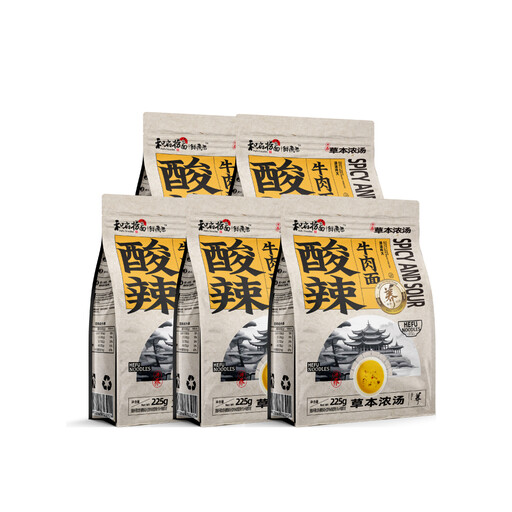
Why this fits the profile: Ideal for anyone looking for more than just noodles and wanting a meal kit with broth, beef and pickled vegetables.
The contents are clearly divided into noodles, soup, braised beef and pickled mustard. The description also mentions non-fried, semi-dried noodles.
225 grams per portion, five pieces and 75% beef in the beef component according to the product information.
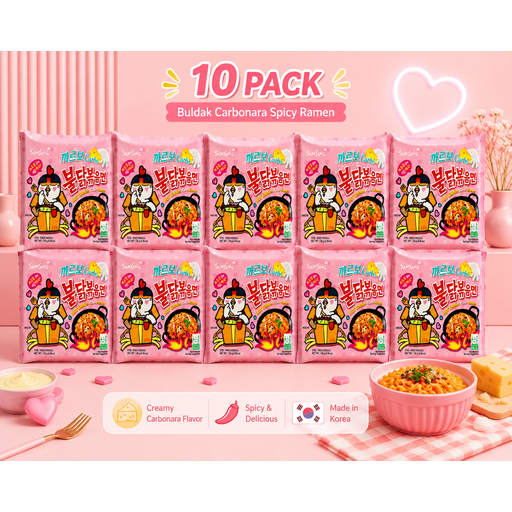
Why this fits the profile: For ramen fans who want a larger stash of spicy noodles and appreciate a creamy carbonara-style sauce.
The composition makes it clear that these are dry, mixed noodles and not noodle soup. The packaging also lists milk, soya and wheat as allergens.
Ten 130-gram portions, firm wheat noodles and separate sauce and powder components.
We’ve put together a full, up-to-date list of products that fully meet these strict selection criteria and comply with current European safety regulations.
Follow the cooking instructions on the packet. For soup noodles, you usually cook the noodles for four to five minutes in the stated amount of water and add the seasoning powder. For dry noodles, you often drain the water before adding the sauce. Check the sachets before you start: some ingredients need to be cooked with the noodles, while others are mixed in after draining.
Unopened instant noodles can generally be kept until the date on the packet. Store them in a dry, cool place away from direct sunlight. Check the packaging for any damage and always follow the stated best-before information. Once opened, it’s best to use any separate seasoning or sauce sachets straight away.
That depends on the portion size and the ingredients. Some varieties contain only noodles and seasoning, while Hefu, for example, also includes beef and pickled vegetables. You can add egg, tofu, fresh vegetables or mushrooms to a bowl. If you have allergies or dietary requirements, always check the full label of the product you choose.
