
Vandaag of morgen in huis

Kwaliteit gegarandeerd

Welkomstaanbiedingen ontgrendelen: GRATIS bezorging | Tot 80% korting | Gratis 30 dagen JoyPlus-proefperiode
Download de app
Asian instant noodles are a handy option for a quick meal, a late-night snack or a well-stocked cupboard. Yet the difference between a great-value multipack and a disappointing purchase is bigger than it seems. An attractive packet tells you very little about portion size, ingredients or how to prepare them.
When buying, watch out for three common pitfalls:
Compare nutritional values on the same basis. The information on packaging is often given per 100 grams, while a bag may contain 120g, 130g, 140g or just 70g. A larger bag doesn't just mean more noodles – it may also mean more salt, fat and calories per prepared meal.
In the product information for different varieties, the salt content per 100 grams varies. Nongshim Shin Ramyun, for example, is listed with 3.7 to 5.6 grams of salt per 100 grams, depending on the pack. Indomie Mi Goreng is listed in another product entry with 2.0 grams of salt per 100 grams. Use these figures as a comparison point, but always check the actual packaging before eating.
Check whether the product has a soup base, sauce sachet or cup packaging.
Using the wrong preparation method can affect the texture and taste. Always follow the instructions on the pack rather than just the picture on the front.
If you're looking for halal instant noodles, look for a clear halal statement or certification on the packaging. The Samyang Buldak Creamy Carbonara 5 x 140g is listed in the product information as halal certified. The Bai Xiang Halal Spicy Beef Noodle Soup is also offered as a halal product. Always check the actual product packaging with each order, as ingredients and labelling can vary.
With Korean instant noodles, also watch out for milk powder, cheese powder, soya and fish ingredients. Samyang Buldak Carbonara contains gluten, soya and milk according to the product information. Nongshim Shin Ramyun contains gluten, soya, fish, sesame and celery, among others. For anyone with an allergy, the label is the final authority – don't rely solely on the product name.
A multipack suits households that eat instant noodles regularly, students stocking up, and heavy users. A smaller pack is more practical if you want to try a flavour first. For a fair comparison, look at:
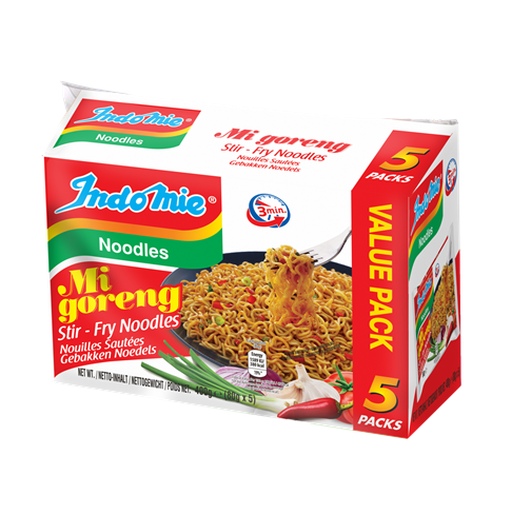
Why this fits the profile: The pack of five 80g bags is easy to manage if you want to try Indonesian flavours without buying a large stock.
The product name makes it clear these are stir-fry noodles. So you know to drain the noodles after cooking.
Five servings of 80g each; includes seasonings, oil, sweet soy sauce and chilli powder.
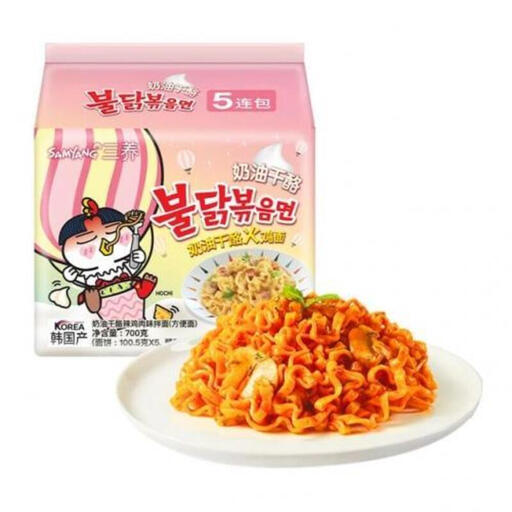
Why this fits the profile: This Korean variety combines a creamy carbonara powder with a spicy kick and offers five generous 140g bags.
The product information explicitly lists the spicy sauce, milk and soya. That makes checking your dietary requirements easier.
Halal certified according to the product information; five servings of 140g each; combination of creamy and spicy flavours.
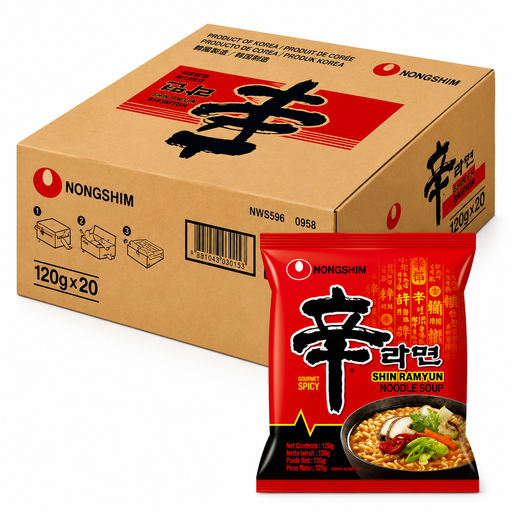
Why this fits the profile: A box of 20 bags at 120g each suits households, student houses and offices where ramen noodles are made regularly.
These are clearly soup noodles. The preparation instructions mention around 500 to 550 ml of water and roughly 4 to 4.5 minutes of cooking time.
20 servings; hearty noodles with seasoned broth and dried vegetables according to the product description.
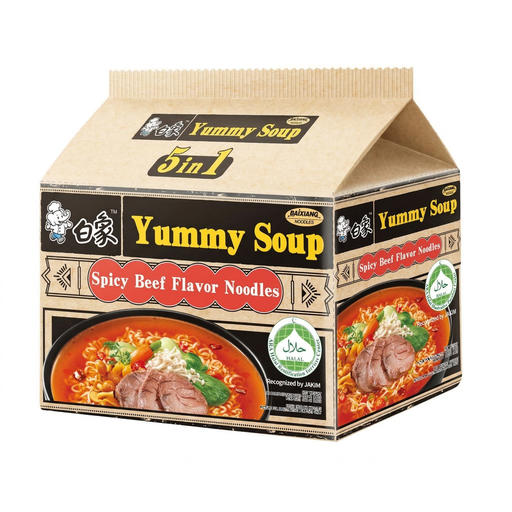
Why this fits the profile: These Chinese instant noodles come in packs of five and are offered as a halal spicy beef soup.
The packaging states the portion size of 95g per bag and lists gluten and soya as allergens. Check the actual packaging before use.
Five individual servings; prepared with boiling water; product information states halal and a spicy beef flavour.
We've put together a full, up-to-date list of products that fully meet these strict selection criteria and current European safety regulations.
It varies by product. Cook soup noodles in 500 to 550 ml of water and add the soup powder as directed on the pack. With Mi Goreng, drain the cooking water before adding the oil, sauce and seasonings. Cup noodles are often prepared with boiling water up to the fill line. Don't use a microwave with the packaging unless it's explicitly allowed.
The best-before date is on the packaging. Store unopened products in a cool, dry place away from direct sunlight. Check the packaging for damage or leaks. Once prepared, it's best to eat instant noodles straight away; don't leave leftovers at room temperature unnecessarily.
Not necessarily. The amount of chilli varies by brand and product. Also check for allergens such as gluten, soya, milk, fish and shellfish. If you prefer less heat, you can use part of the chilli sachet, but always follow the safety and preparation instructions on the label.
