
Vandaag of morgen in huis

Kwaliteit gegarandeerd

Welkomstaanbiedingen ontgrendelen: GRATIS bezorging | Tot 80% korting | Gratis 30 dagen JoyPlus-proefperiode
Download de app
Asian instant noodles are a handy way to enjoy a quick meal at home, at work or on the go. Yet many packs look more alike than the products inside. Ramen cups, Japanese instant noodles, instant udon and yakisoba noodles can differ considerably in how they’re prepared, portion size and nutritional content.
The main pitfalls often have less to do with the noodles themselves and more to do with what you expect from them.
First, choose between a soup dish and noodles served with sauce. Ramen cups and miso ramen are usually prepared with hot or boiling water. With yakisoba noodles and noodles with teriyaki sauce, you’ll often drain the cooking water and mix the sauce into the noodles.
Pay attention to the texture, too:
Compare the nutritional information for the whole pack, not just per 100 g. Some products list a serving size that’s smaller than the pack, while a cup is usually eaten in one sitting.
Pay particular attention to:
A konjac product isn’t automatically a nutritious meal in its own right. For example, Nakaki 0kcal Konjac & Soy Ramen lists 0 kcal per pack, but also just 0 g of protein. The manufacturer also warns that eating too much may cause discomfort because of the fibre content.
Wheat and soya are common in Japanese instant noodles, soy sauce and miso. So if you’re looking for gluten-free noodles, don’t just check the front of the pack. Read the full ingredients list for wheat, cereals containing gluten, soya, sesame, egg, milk, fish and crustaceans.
You should also check that a product is “vegan” before buying. A product marketed as plant-based may still carry cross-contact warnings or contain ingredients that aren’t suitable for your diet. Always use the product packaging as your final check before eating.
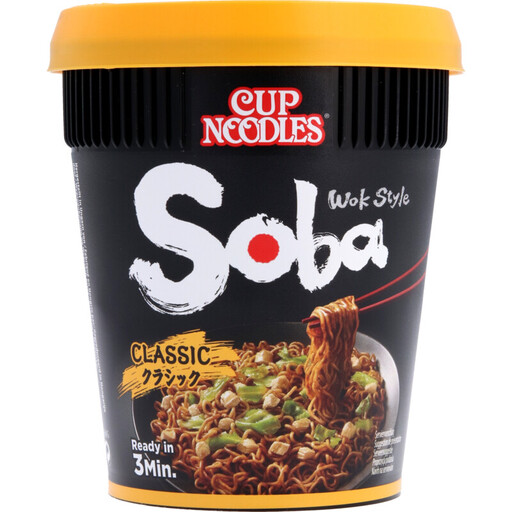
Why it suits this profile: This cup is a convenient choice for students, travellers and anyone who wants a quick meal without using a pan. According to the product information, it takes around three minutes to prepare.
The preparation method and portion size are straightforward. However, check the listed 2 g of salt per portion and allergens such as wheat and soya.
Cup format, sauce instead of soup, and a preparation time of around three minutes.
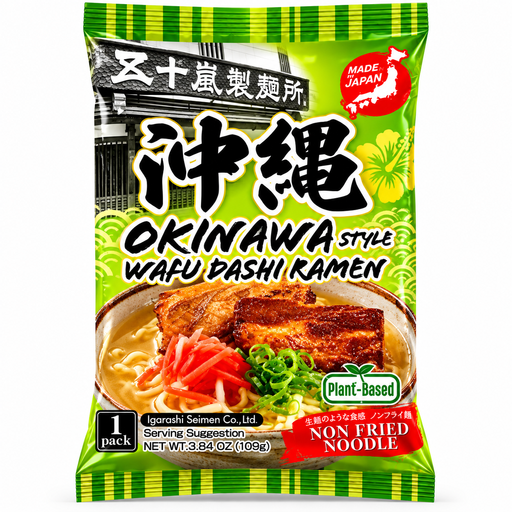
Why it suits this profile: According to the product description, this Japanese ramen uses non-fried noodles and a broth made with soy sauce, kelp and shiitake. It’s a good choice for anyone who enjoys a more pronounced umami flavour.
The product information specifies the type of noodle and the ingredients in the broth. The label lists wheat and soya; check the current packaging to make sure it suits your diet.
Non-fried noodles and Japanese-style broth; serve with spring onion, seaweed or vegetables.
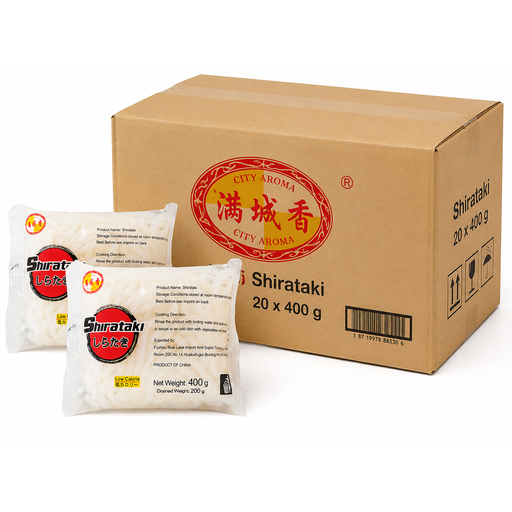
Why it suits this profile: This large pack is practical if you regularly make stir-fries, salads or soups with shirataki noodles and like to choose your own sauce and toppings.
You can control how much sauce and how many toppings you add. Rinse the noodles according to the instructions and bear in mind the listed 3 g of salt per 100 g.
Ready to drain and rinse, with 9 kcal per 100 g according to the product information and no listed allergens.
We’ve put together a complete, up-to-date list of products that meet these strict selection criteria and current European safety requirements.
That depends on the product and what you add to it. A standard portion often consists mainly of noodles and sauce. Add vegetables, tofu, egg or another source of protein to make it a more substantial meal. Remember to check the allergens and preparation time again.
For a ramen cup, pour in boiling water up to the marked line, close the cup and leave it for the time stated on the pack. To make instant ramen from a packet, you’ll usually need to cook the noodles in a pan. Add the seasoning powder or sauce as instructed; with some varieties, you’ll need to drain off some of the cooking water.
Unopened dried noodles usually have a long shelf life, but check the exact date on the pack. Store them in a cool, dry place away from direct sunlight. For cups, fresh udon, and konjac or shirataki noodles, always check the best-before date and specific storage instructions. Don’t use a pack if it’s damaged.
