
Vandaag of morgen in huis

Kwaliteit gegarandeerd

Welkomstaanbiedingen ontgrendelen: GRATIS bezorging | Tot 80% korting | Gratis 30 dagen JoyPlus-proefperiode
Download de app
Asian instant noodles are a handy option for a quick meal, a late-night snack or a store-cupboard staple. However, Korean ramen, Chinese instant noodles, rice noodles and dry noodles differ greatly in preparation, portion size and ingredients. A striking packet tells you little about what you'll actually end up with in your bowl.
So, keep an eye out for three common pitfalls:
For a quick meal, the preparation method matters more than the product name. Cup ramen, such as Samyang Hot Chicken Cup Ramen Carbonara, are designed for hot water. Other products require a pan, like the Luosifen rice noodles that need to boil for 8 to 10 minutes. Paldo Bibimmen is first boiled, then rinsed with cold water and finally mixed with sauce.
So, check:
Wheat noodles are common in Korean ramen and Chinese instant noodles. They are usually firm and springy. Rice noodles and sweet potato noodles have a different bite and absorb sauces well. Wide Sichuan noodles are thicker and are often eaten without broth, with chilli oil and spices.
Choose based on when you're eating:
Always read the label on the packaging. Product information online can differ from the actual packaging. Pay particular attention to wheat, soya, milk, peanuts, sesame, shellfish, fish, mustard and sulphites.
A low sugar content doesn't automatically mean low salt. In the product specifications provided, the salt content ranges from around 2.3 grams to 6.1 grams per 100 grams. That makes comparison worthwhile, especially if you eat several servings a week.
For vegan instant noodles, a clear vegan certification or ingredients list is important. The same goes for halal noodles: check the halal mark and the actual packaging. With Indomie Noodle Chicken, halal certification is mentioned in the product information; still check the packaging when you buy.
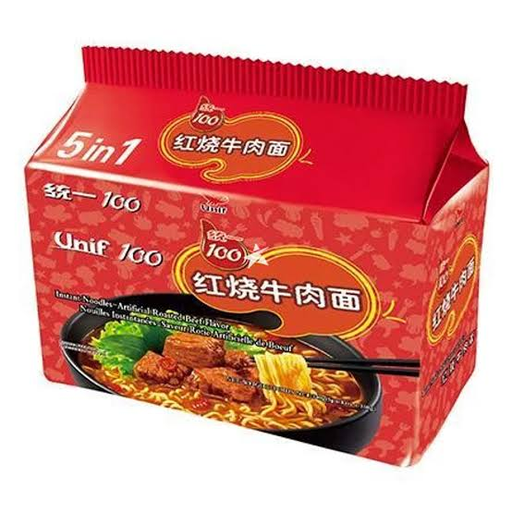
Why this fits the profile: The 5-pack is practical for students, shared households or keeping a steady supply of quick meals.
The size and cooking time of 5 minutes are clearly stated, so you're less likely to choose an unsuitable portion or preparation method.
5 bags of 100 grams; wheat noodles with beef flavour and dried vegetables.
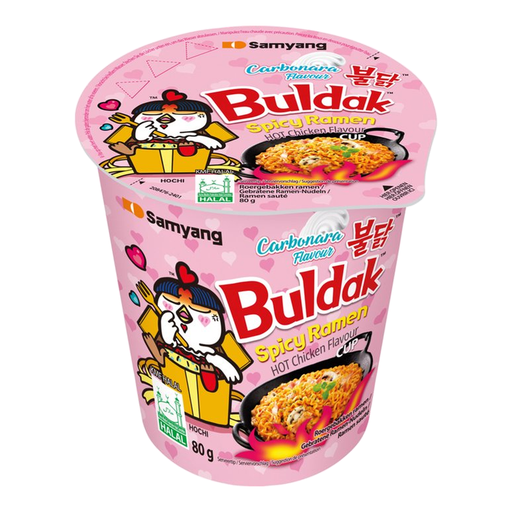
Why this fits the profile: For those who want Korean ramen with a distinctive combination of spicy chicken and creamy carbonara.
The cups are prepared with hot water, so you don't need a pan or extra cooking steps. The allergens wheat, milk and soya are listed.
Handy cup format of 80 grams; combination of spicy sauce and carbonara powder.
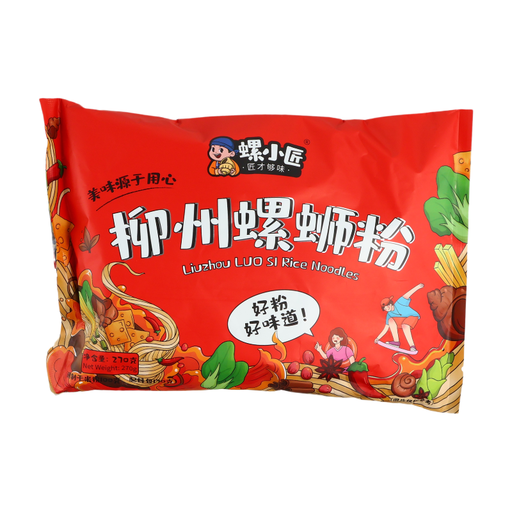
Why this fits the profile: For fans of Chinese rice noodles with sour bamboo shoots, toppings and adjustable heat.
The chilli oil is added separately. You can adjust the intensity rather than using the full amount straight away.
Rice noodles of 270 grams; several separate sachets with sauce, vegetables, peanuts and tofu skin.
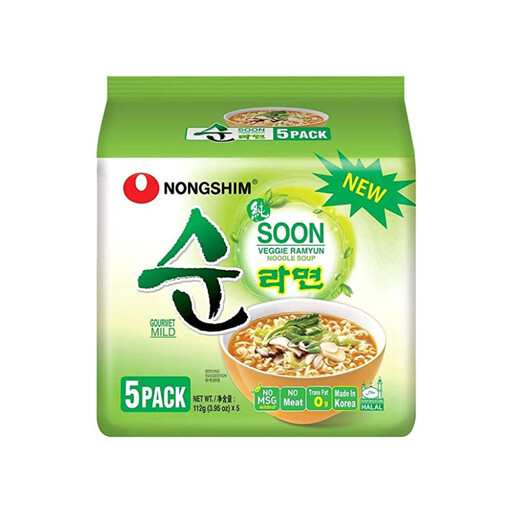
Why this fits the profile: A practical choice for anyone looking for vegan instant noodles in a multipack for home.
The product information mentions a vegan certification and lists wheat and soya as allergens. Always check this on the packaging.
5 packets of 112 grams; soup base with dried pak choi and carrot.
We've put together a full, up-to-date list of products that fully meet these strict selection criteria and comply with current European safety regulations.
The best-before date is on the packaging. Store unopened noodles in a cool, dry place away from direct sunlight. Do not use a packet if it is damaged. Once prepared, eat the product straight away.
Yes, many varieties are ready in just a few minutes. However, they don't all have the same portion size or nutritional value. For a more filling meal, add egg, tofu, vegetables or another source of protein, as long as it fits your diet.
Korean ramen is often wheat noodles with a strong soup base or spicy sauce. Chinese instant noodles include more varieties, such as rice noodles, wide Sichuan noodles and sour or spicy noodle soup. The preparation method and texture can therefore differ greatly.
