
Vandaag of morgen in huis

Kwaliteit gegarandeerd

Welkomstaanbiedingen ontgrendelen: GRATIS bezorging | Tot 80% korting | Gratis 30 dagen JoyPlus-proefperiode
Download de app
Asian instant noodles are a handy option for a quick meal, lunch at the office, or a late-night snack. Yet Korean ramen, Chinese instant noodles and Indonesian noodles differ greatly in flavour, preparation and nutritional values. What’s more, a striking packet doesn’t always tell you what you’re getting.
As Joybuy’s Product Recommendation Officer, I filter the most important product information so you can compare marketing claims against verifiable specifications. Pay particular attention to these three common pitfalls:
Not every packet delivers a noodle soup. With classic instant ramen, you add water and soup seasoning. Indomie Mi Goreng, on the other hand, is drained after cooking and mixed with oil, seasoning and sweet soy sauce. YuanXian Chengdu Cold Noodles are designed for mixing the pre-cooked noodles with sauce and toppings. ISDG Hot Dry Noodles are also drained and mixed with several sachets.
So choose based on how you’ll use them:
Most products are ready in around three to five minutes, but the method varies. According to the product information, Nongshim Shin Ramyun uses approximately 500 to 550 ml of boiling water and around 4 to 4.5 minutes of cooking time. Bai Xiang recommends four to five minutes of steeping in boiling water. Indomie Mi Goreng requires boiling and then draining.
Before you buy, check:
Many Asian instant noodles contain wheat or gluten and soya. Depending on the recipe, milk, egg, fish, shellfish, peanuts, sesame, celery or mustard may also be present. According to the product information, Samyang Buldak Carbonara contains gluten, soya and milk, among other things. Indomie Mi Goreng contains wheat, soya and sesame.
Nutritional values also deserve attention. The stated values vary per product and are usually per 100 grams. Nongshim Shin Ramyun 5 x 120 g, for example, lists 3.8 grams of salt per 100 grams, while the Nongshim Kimchi variant lists 4.8 grams. Nongshim Kimchi 6 x 120 g shows 11.3 grams of salt per 100 grams of dry product in a different product listing. So always check the label on the specific packet.
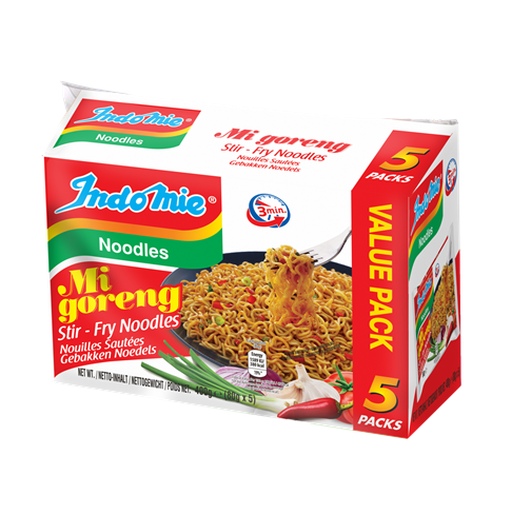
Why this fits the profile: This pack contains five 80-gram servings and offers a dry Indonesian preparation with seasoning oil, sweet soy sauce and chilli powder. Handy if you want to get to know instant noodles without buying a large box straight away.
The preparation method is clearly different from noodle soup: boil, drain and mix. So you know what you’re buying in advance.
Five servings, 80 grams per packet and multiple flavour components. According to the product information, the country of origin is Indonesia.

Why this fits the profile: A large multipack for households, student houses or ramen fans who regularly want to prepare a warm, spicy noodle soup.
The packaging states a specific serving size of 120 grams and a preparation time of around four to five minutes.
Twenty 120-gram packets, with dried vegetables such as carrot, spring onion and mushroom according to the product information.

Why this fits the profile: This multipack is aimed at fans of spicy instant noodles with a creamy flavour. The 130-gram servings are suitable for a hearty meal.
The flavour profile is specifically stated as carbonara with spicy chicken seasoning. Do check the allergens: the product contains gluten, soya and milk.
Ten 130-gram packets; the product information states 423 kcal and 2.6 grams of salt per 100 grams.
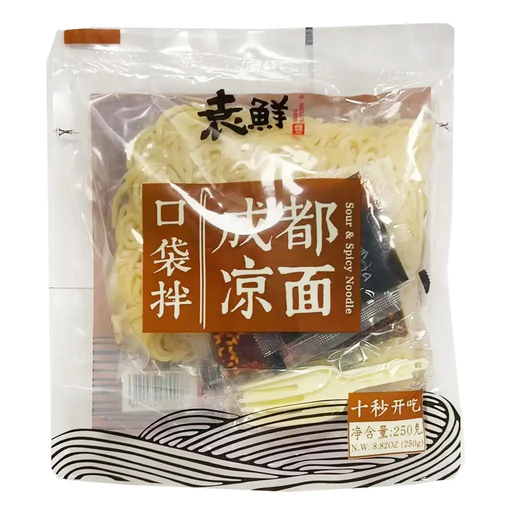
Why this fits the profile: A choice for those who aren’t looking for standard Japanese ramen or Korean ramen, but a dry, spicy Chengdu preparation with sesame, chilli and Sichuan pepper.
The preparation method is straightforward: open, add sauce and toppings, and mix. Don’t expect a broth.
250-gram serving with sauce, sesame and peanuts; according to the product information, the product is made in China.
We’ve put together a full, up-to-date list of products that fully meet these strict selection criteria and comply with current European safety regulations.
That depends on the packaging. Some instant ramen can be steeped in a bowl of boiling water. Other products need to be boiled or drained after steeping. Always read the preparation instructions and handle hot water with care.
Check the best-before date on the packaging and store unopened packets in a cool, dry place away from direct sunlight. Don’t use any packaging that is damaged or leaking. Once prepared, it’s best to eat the noodles straight away, especially with products containing sauce, oil or fresh toppings.
Not automatically. Check the ingredients and allergens, especially with Korean ramen containing chilli, milk, soya or fish. You can sometimes adjust the amount of seasoning by not using the whole sachet. Also pay attention to the salt content per 100 grams and the serving size before you buy instant noodles.
