
当日/次日达

品质保障

开启新人专享福利: 全场免邮 | 低至 2 折 | 免费试用 30 天 JoyPlus 会员
下载 Joybuy
Asian instant noodles are handy for a quick meal, a snack at the office, or stocking up a student house. Yet a striking packet doesn't always tell you everything you need to know. Pay particular attention to the portion size, preparation method, allergens, and the difference between soup noodles, Mi Goreng and rice vermicelli.
A box of 30 sachets might look like great value, but a single portion can range from 55 to 83 grams. A smaller portion works well as a snack, whereas a pack of 75 to 80 grams is more suited to a light meal. Always check the net weight per sachet rather than just the total weight of the box.
"Chicken", "shrimp" or "beef" on the front doesn't automatically mean there's a generous amount of chicken, prawns or beef inside. Some products rely on flavouring, extract or a small amount of powder. For instance, Indomie lists 0.3% artificial prawn flavouring in its shrimp flavour, while other products list prawns or prawn powder as an ingredient.
If you have an allergy, you must read the ingredients list and allergen information on the packaging. Product information on a web shop can change; the label on the product you receive is always the final authority.
Not all Asian instant noodles are prepared the same way. Mi Goreng noodles are drained after soaking and then mixed with the sauce and seasonings. Soup noodles, on the other hand, keep the cooking water. Rice vermicelli may need a different texture and amount of water.
A sachet of MAMA rice vermicelli, for example, requires roughly 350 ml of boiling water and three minutes of resting time. YumYum Pad Thai Shrimp uses about 360 ml of water, after which you drain the noodles. Check this before you buy if you plan to prepare the noodles at the office, while travelling, or in a small kitchen.
Most ramen noodles and Indonesian noodles are made with wheat flour, which means they contain gluten. Rice vermicelli uses rice as its main ingredient and usually has a lighter, smoother texture. Do watch out for cross-contact: VIFON Beef Hue Style, for example, lists rice noodles but also wheat in the broth and allergen information.
Some OMACHI products use potato starch alongside wheat flour. According to the product description, this gives a smooth and springy texture. Treat this as a product specification, not a guarantee of personal taste.
Also check how many separate sachets are included. A product with individual seasoning powder, oil and sauce gives you more control over the final flavour, but requires a little more preparation.
Many varieties contain wheat and gluten. In addition, soya, sesame, milk, fish, celery and shellfish are common. MAMA Shrimp Creamy, for example, lists wheat, soya, milk and shellfish. Indomie Mi Goreng lists wheat, soya and sesame among others.
Compare the nutritional values per 100 grams and per portion. The stated values vary: Indomie Special Chicken lists 350 kcal and 3 grams of salt per 75-gram portion, while the product information for some other varieties shows a higher salt value per 100 grams. It's best to use the noodles as a base and add vegetables, egg, tofu or another source of protein if you want to turn them into a more substantial meal.
Store unopened packs in a dry, cool place away from direct sunlight. Always check the exact best-before date on the packaging.
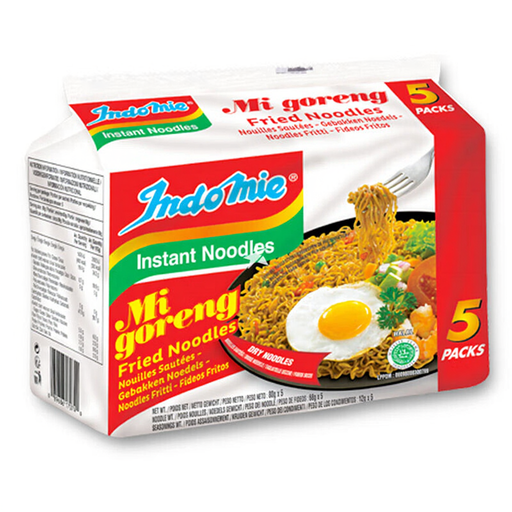
Why this fits: Five 80-gram portions are practical for students, store cupboards and quick meals without needing a saucepan.
The preparation method says to drain and then mix with the seasonings and sauces. So you won't end up with unwanted soup.
Contains separate seasoning, oil, sweet soy sauce and chilli; allergens include wheat, soya and sesame.
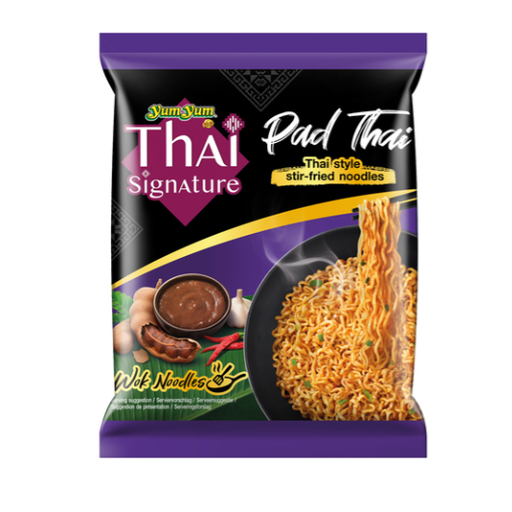
Why this fits: A 100-gram portion and a dry Pad Thai preparation suit a hearty quick meal.
The product information explicitly states 360 ml of water, three minutes of resting and draining. That avoids confusion with soup noodles.
The flavour mix includes tamarind, chilli, galangal and 1.5% prawns; also contains fish, soya and wheat.
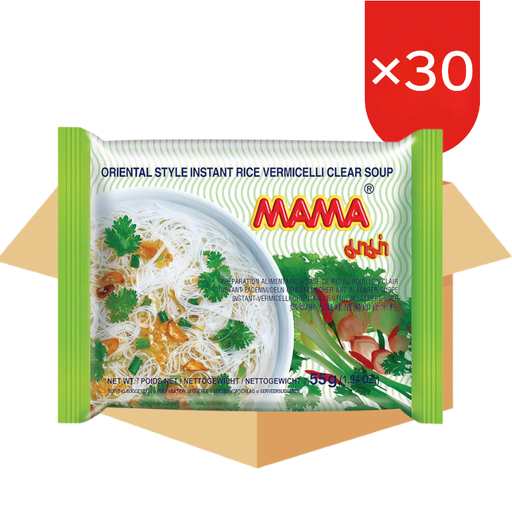
Why this fits: Thirty individual portions are easy to distribute in an office, catering environment or professional kitchen.
The box contains 55 grams per sachet; so check whether this lighter portion suits the occasion.
Rice is the main ingredient at 77%; prepare with roughly 350 ml of boiling water and three minutes of resting time.
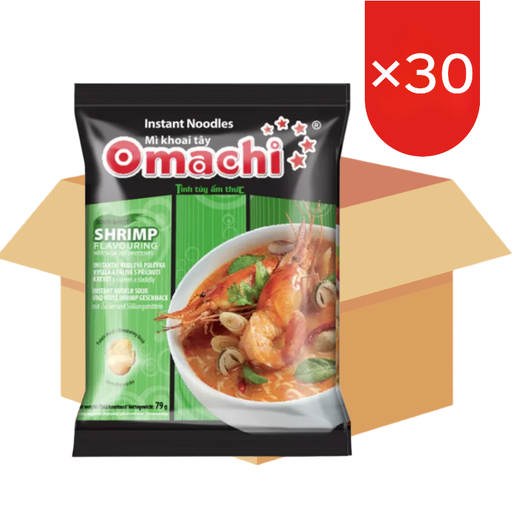
Why this fits: A box of 30 sachets is ideal for regular use at home, in an office or for resale.
This is a large pack; so check your available storage space and the best-before date before buying.
Each portion is 79 grams; the preparation instructions state 400 ml of boiling water and three minutes of waiting.
Browse a current selection of South-East Asian instant food and compare flavours, portion sizes and packs.
Many varieties can be prepared in a bowl using boiling water from a kettle. Add the noodles and seasonings, pour in the stated amount of water and cover the bowl. Most products need three to four minutes. Mi Goreng and Pad Thai usually need to be drained afterwards.
Unopened instant noodles generally have a long shelf life, but the exact date varies by product. Always check the date on the packaging. Store the sachets in a dry, cool place away from direct sunlight. Do not use any product whose packaging is damaged or damp.
That depends on the portion and what you add. A sachet mainly contains noodles and seasonings. Add vegetables, egg, tofu, chicken or prawns, for example, for more variety. With chicken or prawn varieties, check the ingredients and allergens, especially if you're cooking for several people.
