
Vandaag of morgen in huis

Kwaliteit gegarandeerd

Welkomstaanbiedingen ontgrendelen: GRATIS bezorging | Tot 80% korting | Gratis 30 dagen JoyPlus-proefperiode
Download de app
Asian instant noodles are handy for a quick meal, but not every pack suits the same eating habits. Whether you're after Korean ramen for a spicy evening, Indomie noodles for an affordable store-cupboard staple, or Thai instant noodles with a fresh tom yum flavour, portion size, cooking method and allergens are the key things to consider.
Many mis-purchases come down to three common pitfalls:
Don't just compare the number of sachets – also look at the weight per portion. Many individual packs contain around 55 to 80 grams, whereas Korean ramen often comes in at around 120 to 140 grams per sachet. A five-pack of Samyang isn't directly comparable to a five-pack of Indomie.
An instant noodles multipack makes sense when you already know which flavour you want. For students, offices or families, a larger box can be handy. If you'd rather try a range of different Asian snacks and flavours, go for a smaller pack instead.
Check whether the product is a broth variety or a dry variety:
Indomie Mi Goreng, for example, is an Indonesian variety that you drain and mix with sweet soy sauce, seasoning and oil. With Nongshim Shin Ramyun, you add the soup seasoning and noodles to boiling water instead.
Always read the label on the packaging. Product information online can change, and the physical pack may contain additional details. Pay particular attention to:
Nutritional values vary significantly by brand and flavour. For instance, the product information for Nongshim Shin Ramyun 20 x 120g states 445 kcal and 5.6g of salt per 100g. The exact values can differ from pack to pack, so always use the current table on the product as your reference.
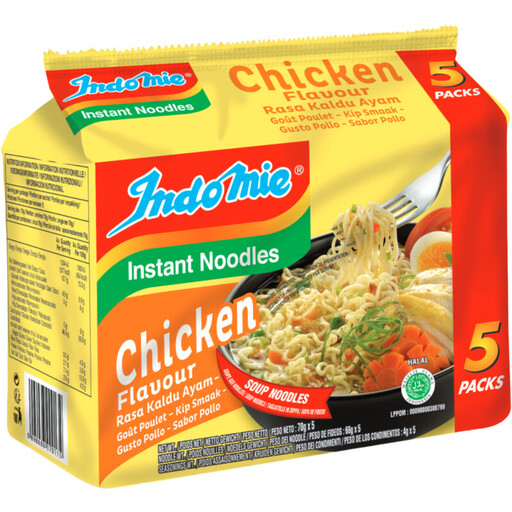
Why this fits the profile: A five-pack with 70g portions is straightforward for anyone trying Asian instant noodles for the first time or needing a quick meal every now and then.
The number of portions and the weight are clearly stated. The pack has a chicken flavour and contains 0.4% chilli powder according to the product information, so don't expect a particularly hot ramen variety.
Five individual sachets, chicken seasoning and a short preparation time. Contains gluten from wheat; check the label if you have allergies.
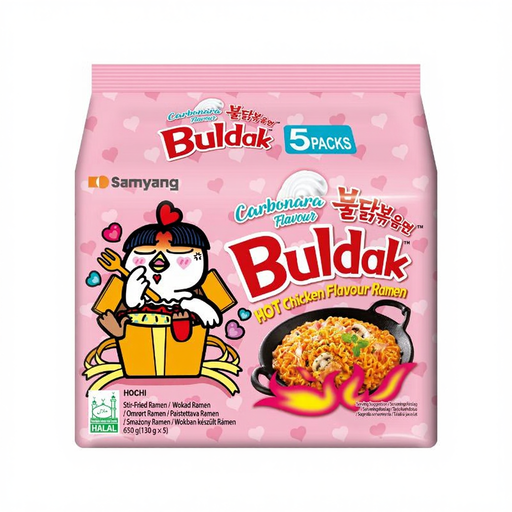
Why this fits the profile: Ideal for fans of Korean ramen who want a firm noodle texture, creamy seasoning and a distinctly spicy flavour.
The product information states 130g per sachet and a combination of sauce and powder mix. This makes it clear you're getting a concentrated, creamy preparation rather than a standard broth.
Five portions of 130g, 423 kcal and 2.6g of salt per 100g according to the stated nutritional values. Contains wheat, soya, milk and celery.

Why this fits the profile: A large stock-up pack suits households, student houses and offices where a bowl of spicy instant noodles is made regularly.
The pack contains 20 sachets of 120g each, so you know exactly how much stock you're buying. Preparation takes around 4 to 5 minutes with 500ml of water, according to the product information.
Large stock, dried vegetables and a broth preparation that you can top up with egg or vegetables. Contains wheat and soya; the stated salt value is 5.6g per 100g.
We've put together a full, up-to-date list of products that fully meet these strict selection criteria and comply with current European safety regulations.
Follow the instructions on the pack. For soup noodles, you usually boil the noodles for a few minutes in water with the seasoning. For Indomie Mi Goreng, you boil the noodles, drain them, then mix them with the sauce and seasoning. You can add egg, spring onion, pak choi or tofu if you like, but keep the allergens of the base pack in mind.
Check the best-before date on the packaging. Store unopened noodles in a dry, cool place away from direct sunlight. Check the pack for damage before use. Once prepared, it's best to eat the meal straight away; don't leave a cooked portion sitting at room temperature unnecessarily.
They're practical as a quick meal or snack, but the composition varies from product to product. Check the portion size, salt, fat, allergens and the amount of dried ingredients. You can add fresh vegetables, egg, tofu or a source of protein to tailor the meal to your taste. If you're after variety, you can compare Indonesian instant noodles, Korean ramen, Thai instant noodles and vegetarian instant noodles before you buy instant noodles.
