
Vandaag of morgen in huis

Kwaliteit gegarandeerd

Welkomstaanbiedingen ontgrendelen: GRATIS bezorging | Tot 80% korting | Gratis 30 dagen JoyPlus-proefperiode
Download de app
Asian instant noodles are handy for a quick lunch, a late-night snack, or as a store-cupboard staple for busy days. Yet the choice isn’t as straightforward as the packaging might suggest. A fiery image doesn’t always mean the flavour will suit you, and a large box isn’t automatically good value if you only eat noodles occasionally.
In this buying guide from the Joybuy Product Recommendation Officer, we compare the practical features of ramen noodles, rice noodles, Korean ramen and other Asian varieties. This way, you can buy instant noodles more confidently and avoid surprises around portion size, preparation and allergens.
Terms like “hot”, “fire” or “spicy” tell you something about the expected kick, but not always about the overall flavour. Samyang Buldak, for example, is known for its distinctive spicy chicken profile. A cheese variant can taste creamier, while a 2x spicy version is mainly about intensity.
If you prefer aromatic, sour or herby flavours, you’re better off looking at tom yum noodles with lime, lemongrass and galangal. Also check whether a product is prepared as a soup noodle or whether you drain it after cooking and mix it with sauce.
Many products weigh around 70 g, but a 70 g cup and a 70 g sachet can feel different because of the amount of broth, oil and toppings. Some packs also contain multiple portions or a whole instant noodle box.
A single instant noodles 70 g pack is ideal for trying a flavour first. A multipack or box is better for regular use, provided you already know the flavour and allergen information.
The product name and image don’t tell the full story. Always check the ingredients list, allergens, nutritional values and preparation instructions. Among the reference products, you’ll find wheat, gluten, soya, milk, sesame, fish and shellfish. The exact information can vary by variant and pack.
Under EU rules, relevant allergen information must be clearly shown on the label. So always check the packaging itself before preparing the product, especially if you have an allergy or intolerance.
Ramen noodles and many Korean ramen varieties are made from wheat flour. They generally have a firm, springy bite. Indomie noodles and Samyang products often fall into this category.
Rice noodles use rice flour as a base. The texture is usually lighter, and some varieties are described as gluten-free. You should always check the current label: ingredients and possible traces can vary by product. The Jub Jub Instant Rice Noodles Tom Yum, for example, are based on rice flour and combined with a sour, spicy tom yum flavour.
A cup is practical in the office, when travelling or in a student room: just add hot water, wait and stir. The MAMA Chicken Cup Noodles are prepared in 3 to 5 minutes according to the product description. The Samyang Spicy Chicken Ramen Cup takes about 4 minutes and is drained after soaking before the sauce is added.
Pay attention to these differences:
Chicken, prawns, beef, tom yum and cheese are not the same as real pieces of chicken or prawns. A flavour can come from herbs, aromas or powder. For example, the product description of some Indomie variants mentions a chicken or prawn aroma, while the MAMA Shrimp Tom Yum Noodles list prawn powder and possible traces of various allergens.
Also check the nutritional values per 100 g and per portion. The stated salt levels vary widely between products. With instant noodles, part of the seasoning can be dosed separately; you can therefore start with a smaller amount of seasoning or sauce if you like. That doesn’t change the product composition, but it does help you adjust the flavour to your preference.
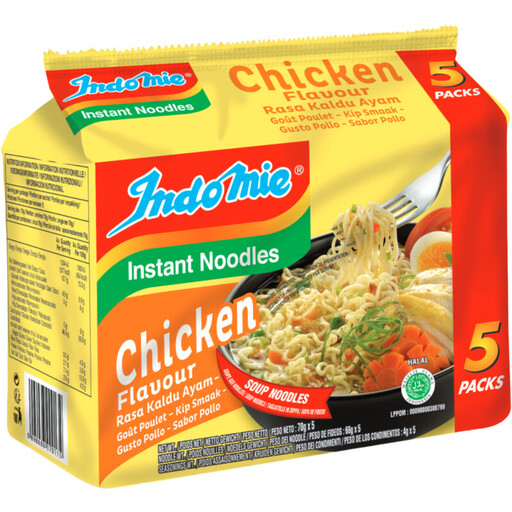
Why this fits the profile: A multipack with five portions offers a practical way to try a familiar chicken variety without committing to a large box straight away.
The fixed 70 g format makes it easier to compare with other sachets. The product description lists wheat as an allergen, so you can check this in advance.
Five individual portions, chicken seasoning and preparation with hot water in around 3 to 5 minutes.
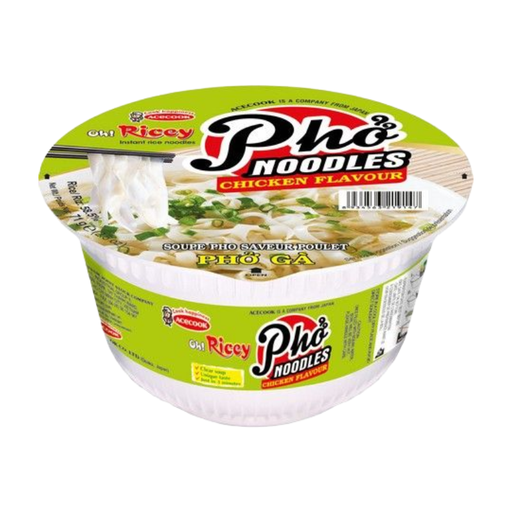
Why this fits the profile: The bowl combines rice noodles with chicken broth and is suitable for anyone looking for a cup format and a soft noodle texture.
The product information states the portion size of around 71 g and gives separate values for the cup. This allows you to compare more accurately.
Rice noodles, cup packaging, chicken broth and a stated preparation for quick use.
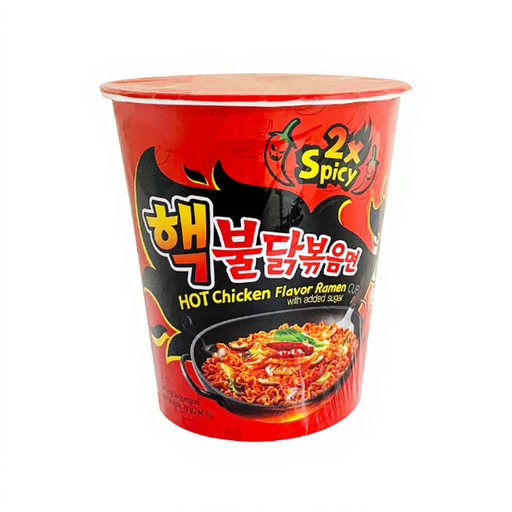
Why this fits the profile: This Korean ramen is aimed at consumers who deliberately want a very spicy variety and wish to follow the preparation instructions carefully.
The product description explicitly mentions the very high spiciness and lists wheat, soya and celery as allergens. This prevents an unexpected purchase.
70 g per pack, chicken aroma, chilli oil and a separate preparation method where the water is drained.
We’ve put together a full, up-to-date list of products that fully meet these strict selection criteria and comply with current European safety regulations.
Partially remove the lid, take out the seasoning sachets and add the flavouring according to the label. Fill the cup with boiling water to the indicated line and leave the noodles to stand for usually 3 to 5 minutes. Stir well. Do not use the cup in the microwave unless the packaging explicitly allows it.
That depends on the portion size and what you add. Many products are intended as a light meal or snack. Add vegetables, egg, tofu, chicken or prawns, for example, if you want to make the dish more filling. With chicken noodles or prawn noodles, check whether the seasoning actually contains those ingredients and watch out for allergens.
The best-before date is on the individual pack or the outer box. Store the noodles in a dry, cool place away from direct sunlight. Do not use any product where the packaging is damaged, leaking or swollen. With an instant noodle box, check both the date on the box and the one on the individual packs.
