
Vandaag of morgen in huis

Kwaliteit gegarandeerd

Welkomstaanbiedingen ontgrendelen: GRATIS bezorging | Tot 80% korting | Gratis 30 dagen JoyPlus-proefperiode
Download de app
A bowl of Asian instant noodles might seem simple: add water, wait, and eat. Yet instant ramen, rice noodles and udon differ greatly in preparation, flavour, ingredients and nutritional values. If you only look at an attractive packet or the word “authentic”, you could end up with noodles that are too spicy, contain a lot of salt, or don’t suit the kitchen equipment you have available.
So watch out for three common pitfalls:
With the right checks, you can choose more deliberately for a quick meal at home, in the office, while studying or on the go.
The base determines the texture and often the preparation too.
So don’t just look at the name on the front – also check the instructions on the packet.
A bowl is practical, but not automatically suitable for the microwave. With some products you simply add boiling water and leave the bowl covered to steep. Other products require microwave heating with a small amount of water.
Examples:
Also pay attention to the net weight. A 65-gram bowl is a different portion from a 254-gram bowl. For a lunch, a smaller rice noodle bowl may be enough; for a hearty meal, thicker udon or a larger portion works better.
Instant noodles often contain several sachets: broth powder, oil, sauce and dried vegetables. You don’t always have to use every sachet completely. Oil and powder sachets in particular can add a lot of flavour, but also extra salt or fat.
According to the product information provided, for example:
These values are product data per 100 grams and not personal dietary advice. Always check the current label. If you have an allergy, gluten, soya, sesame, fish, shellfish, milk and peanuts are particularly important. The ingredients can vary by flavour variant.
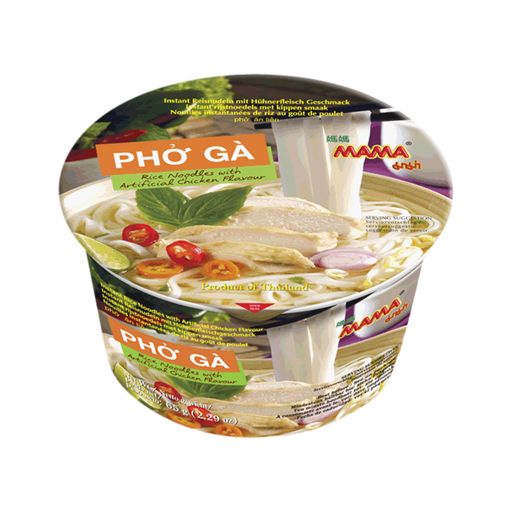
Why this fits the profile: This 65-gram bowl is compact and can be prepared in about three minutes according to the product information. The rice noodles and chicken-style pho flavour offer an accessible introduction to Vietnamese pho.
The cooking instructions are clearer than with products that only mention a general “quick preparation”. Do check the label for fish, soya, wheat and other listed allergens.
Rice as the main ingredient of the noodles, 65 grams per bowl and a preparation time of around three minutes according to the product information.
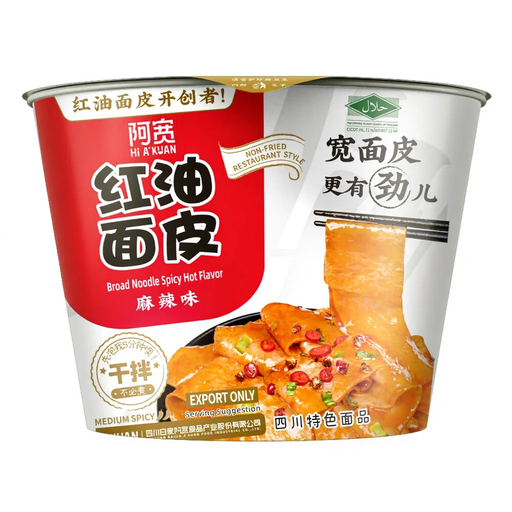
Why this fits the profile: For lovers of a distinctive texture and a spicy, aromatic flavour. The broad, thin noodles are not fried according to the product description, and are drained after soaking.
The preparation method makes it clear that this is not an ordinary broth noodle. You drain the soaking water, so the sauce is mixed separately with the noodles.
110 grams per bowl, broad elastic noodles and separate chilli oil, powder, vinegar and vegetable sachets.
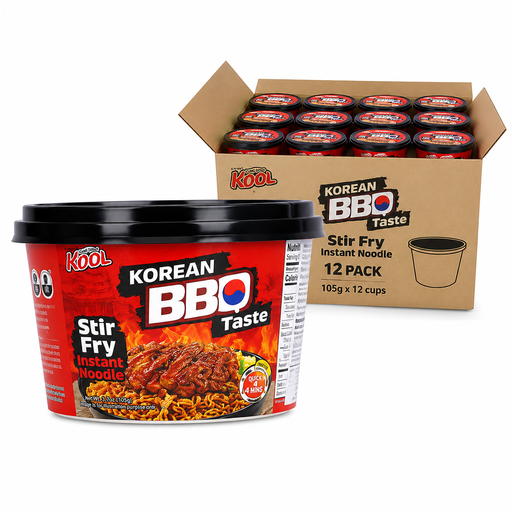
Why this fits the profile: A box of 12 bowls suits offices, student houses and households that want to keep a stock of quick meals on hand.
The packaging states 12 individual bowls and a preparation using about 300 ml of hot water. So it’s clear upfront that you’re buying a bulk product.
12 bowls of 105 grams, Korean BBQ-inspired flavour and a preparation time of 2 to 3 minutes according to the product information.
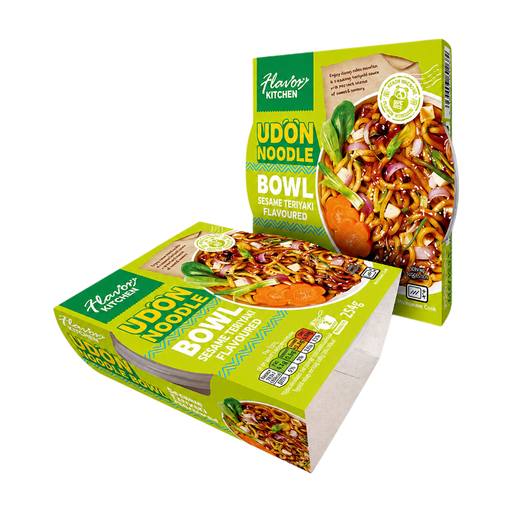
Why this fits the profile: This portable bowl is designed for quick microwave preparation. The udon is thicker and softer in bite than many standard instant ramen.
The product information explicitly states 700–800 watts, 2–3 minutes and about 20 ml of water. Always check that your microwave and the packaging give the same instructions.
254 grams per bowl, udon made from wheat flour and a sesame teriyaki sauce with dried carrot and spring onion.
We’ve put together a full, up-to-date list of products that fully meet these strict selection criteria and comply with current European safety regulations.
First, read whether the product needs boiling water, cooking on the hob or a microwave. Add the stated amount of water, stick to the steeping time and stir the seasoning or sauce through thoroughly. Do not use a microwave if the packaging doesn’t allow it.
The best-before date is on the packaging. Store unopened bowls in a cool, dry place away from direct sunlight. Do not use a packet if it is damaged. Once opened, prepare the product immediately and do not keep leftovers for longer than necessary.
That depends on the portion, packaging and flavour variant. A single bowl has a low purchase price, while a box with multiple bowls can lower the cost per portion for stocking up. Also compare the net weight and preparation method, not just the price on the shelf.
