
Vandaag of morgen in huis

Kwaliteit gegarandeerd

Welkomstaanbiedingen ontgrendelen: GRATIS bezorging | Tot 80% korting | Gratis 30 dagen JoyPlus-proefperiode
Download de app
A pack of Asian instant noodles might seem simple to choose: recognisable packaging, appealing flavour and a short preparation time. Yet there are clear differences between Korean ramen, Chinese instant noodles, dry Sichuan noodles and udon instant noodles. The right choice depends not only on heat level, but also on allergens, portion size, cooking method and packaging format.
Spicy instant noodles can range from a fragrant broth to a dry sauce with chilli oil. Korean ramen is usually prepared with broth, whereas Sichuan noodles are often drained and mixed with oil and spices. So look out for words like soup, stir-fry, cold noodles, mala and hot & sour.
An instant noodles multipack is handy for students, families or stocking the cupboard, but first check the total weight and number of portions. A box of five 95g sachets is not the same as a box of five 112g sachets. So compare the price per sachet or per 100g, not just per pack.
A picture of beef, chicken or seafood doesn’t automatically mean the product contains those ingredients in the same form. Check the ingredients, allergens and nutritional information on the packaging. Some products, for example, list wheat, soya, sesame, fish, shellfish, milk or egg.
With halal instant noodles, it’s wise not to rely solely on a product title. Check the halal claim or certification on the actual packaging. Product information online can change, so always read the label before eating.
The cooking method determines how convenient it is:
A preparation time of three to five minutes is typical, but always follow the instructions on the pack. With some Chinese broad noodles, fully draining is part of the recipe.
Compare nutritional values per 100g and per full pack. A product with 4.5g of salt per 100g can, in a 110g pack, contain more salt than the table might suggest at first glance. What’s more, the nutritional information is sometimes given for dry noodles and sometimes for the prepared product.
If you eat instant noodles regularly, you can use the seasoning sachets partially and add extra vegetables, egg or tofu. That changes the composition of the meal, but doesn’t automatically make a product healthy or unhealthy. Use nutritional information as a comparison point, not as a medical assessment.
Pay particular attention to these terms:
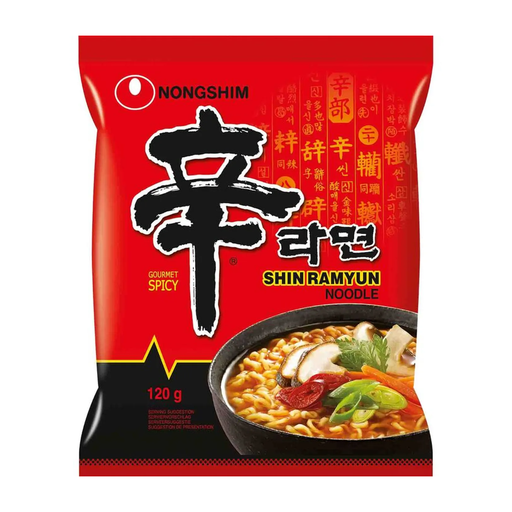
Why this fits the profile: A recognisable Korean ramen variety with a clear cooking time of 4.5 minutes and a soup base featuring mushroom, carrot, chilli and onion.
The product information lists both ingredients and allergens as well as nutritional values. Do check the actual packaging, especially as old and new packaging may be supplied mixed.
120g per pack; preparation in around 4.5 minutes; suitable as a simple noodle soup.
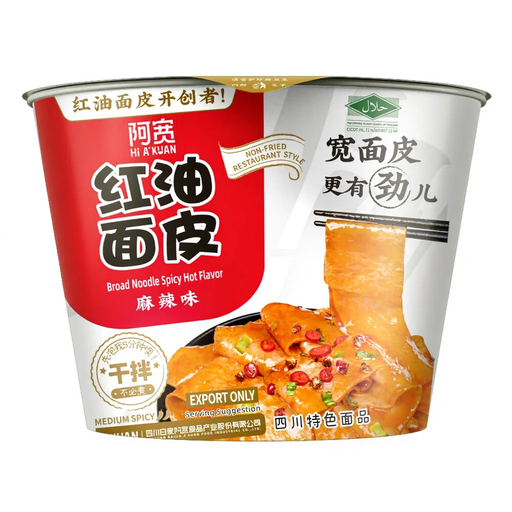
Why this fits the profile: According to the product information, the broad, thin noodles are soaked in boiling water, drained and then mixed with chilli oil, spices and vinegar.
The sauce is added separately, so you can adjust the amount of chilli oil yourself. The ingredients list mentions wheat, soya, sesame and mustard.
Broad, springy noodles; 110g portion; preparation without a hob.
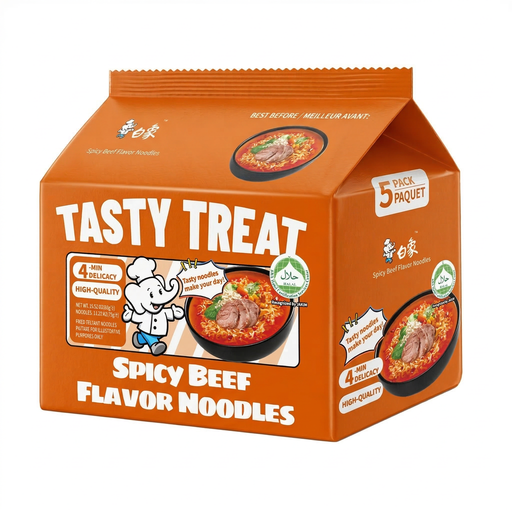
Why this fits the profile: A five-pack for anyone wanting to store or share multiple portions. The product listing mentions halal production and preparation with 500ml of boiling water.
The number of sachets and total weight are clearly stated. Check the halal claim and allergens again on the packaging when it arrives.
Five individual portions; soup format; halal according to the product information.
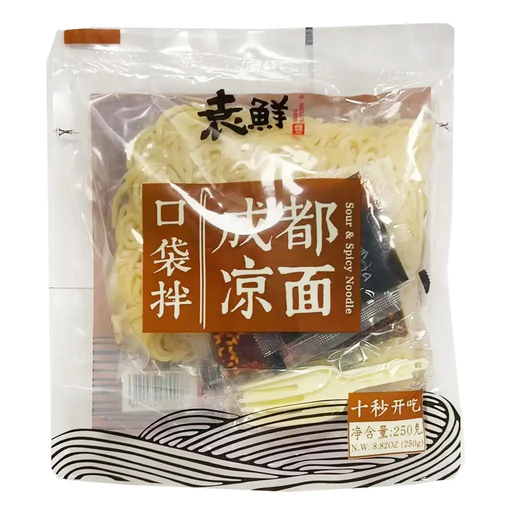
Why this fits the profile: According to the product description, these cold Chinese instant noodles are mixed directly with sauce and toppings, without a traditional noodle soup.
The product format is clear: pre-cooked noodles with separate sauce and toppings. The ingredients list mentions peanut, sesame, soya and wheat.
250g per pack; cold preparation; combination of chilli oil, vinegar and Sichuan pepper according to the product information.
We’ve put together a full, up-to-date list of products that fully meet these strict selection criteria and comply with current European safety regulations.
Put the noodles and seasonings in a bowl or pan according to the instructions on the pack. Add the stated amount of boiling water and leave the product to stand, usually for three to five minutes. With Korean ramen, check whether the product is a soup variety or a dry stir-fry variety.
Unopened instant noodles can generally be kept until the date on the pack when stored in a cool, dry place away from direct sunlight. Do not use a pack if it is damaged. Once prepared, it’s best to eat the noodles straight away.
That varies by product. Only choose a variety where the halal status is clearly stated on the actual packaging or product information. Also check the ingredients list for, for example, fish, shellfish, alcohol-containing ingredients and possible cross-contamination.
