
Vandaag of morgen in huis

Kwaliteit gegarandeerd

Welkomstaanbiedingen ontgrendelen: GRATIS bezorging | Tot 80% korting | Gratis 30 dagen JoyPlus-proefperiode
Download de app
A pack of Asian instant noodles might seem simple to pick. Yet large packs, bold claims and unclear flavour descriptions can lead you to buy something that doesn't suit your eating habits. With Korean ramen, Chinese instant noodles and spicy noodles in particular, there are three common pitfalls to watch out for.
The first is that "spicy" doesn't always mean the same thing. A hot broth, chilli oil and Sichuan pepper each create a different taste experience. The second is that a multipack may look like good value, but it's only worthwhile if you'll enjoy that flavour often and you check the best-before date. The third is that a product name like "carbonara", "beef" or "seafood" doesn't automatically mean all the ingredients fit your diet. Always check the allergens and the current packaging.
Not all instant noodles are prepared the same way. Some varieties only need boiling water, while others need to simmer in a pan for a few minutes.
So don't just look at the cooking time – also check how much water you'll need. On the product page for Nongshim Shin Ramyun, for example, you'll see around 500 ml of water and a cooking time of 4 to 5 minutes. Other products, like wide A'Kuan noodles, need to be soaked in boiling water for 5 to 6 minutes first, then drained.
With Korean ramen, the focus is often on a hearty wheat noodle with a spicy broth or sauce. Samyang Buldak, for instance, is known for combining chilli with a creamy flavour in its carbonara version. According to the product description, this variant contains milk, cheese powder, soya and wheat.
Chinese instant noodles offer more variety in texture and seasoning. Think sweet potato noodles, wide wheat noodles, rice noodles or luosifen. Yuanxianxian, according to its product description, combines a sour taste with chilli oil and vinegar. Luobawang Snail Noodles uses pickled bamboo shoots and Sichuan pepper, among other ingredients. That gives a different profile from a classic spicy ramen broth.
Pay particular attention to these differences:
You can often use the sauce or oil sachets partially. That way, you can adjust the heat without having to buy a different pack.
Compare the net weight per serving, not just the number of sachets. A pack with five small portions isn't always better value than a multipack with larger portions. For students and busy professionals, a 5-pack can be practical; families or heavy users may get better value from a box of 20 servings.
Also check the label for:
Nutritional values vary widely. For example, Nongshim Shin Ramyun lists 3.8 g of salt per 100 g in one product variant, while another Shin Ramyun pack lists 5.6 g. Bai Xiang Halal Spicy Beef Noodle Soup shows 7.4 g of salt per 100 g in the product information provided. Use these figures as a comparison point and always check the packaging you receive.
A product with "halal" in its name or description should also be checked for current certification information. The Bai Xiang Halal Spicy Beef Noodle Soup is offered as a halal product, but for the most up-to-date status, look at the label and certification details.
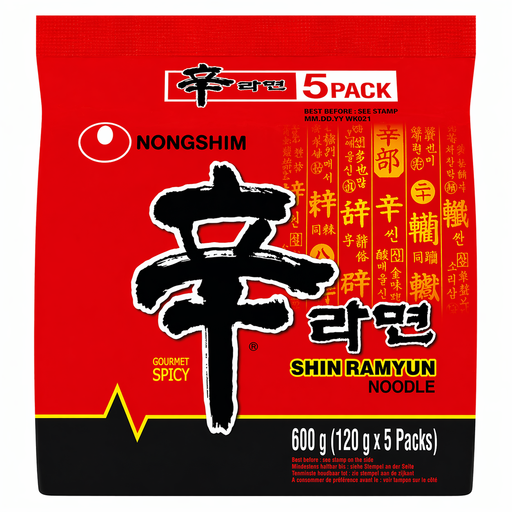
Why it fits this profile: A 5-pack is a manageable way to try Korean ramen without committing to a large box straight away. According to the product information, it takes around 4 to 5 minutes to prepare.
The portion size and preparation method are clearly stated. Do check the salt content and allergens on the packaging.
5 servings of 120 g; spicy Korean broth; ready in around 4-5 minutes.
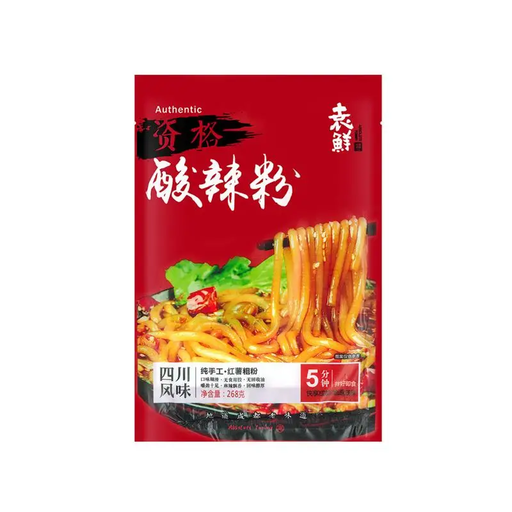
Why it fits this profile: Ideal for fans of a distinctive Sichuan style with soft, chewy sweet potato noodles, vinegar and chilli oil.
The separate vinegar, chilli oil and seasoning sachets let you adjust the intensity per bowl.
268 g; multiple flavour components; soft sweet potato noodles.

Why it fits this profile: A box of 20 servings suits households, offices or enthusiasts who eat instant ramen regularly.
The servings are individually wrapped. Check beforehand whether 20 identical portions suit your consumption and storage space.
20 servings of 120 g; preparation time of around 4-5 minutes; suitable for adding an egg or vegetables.
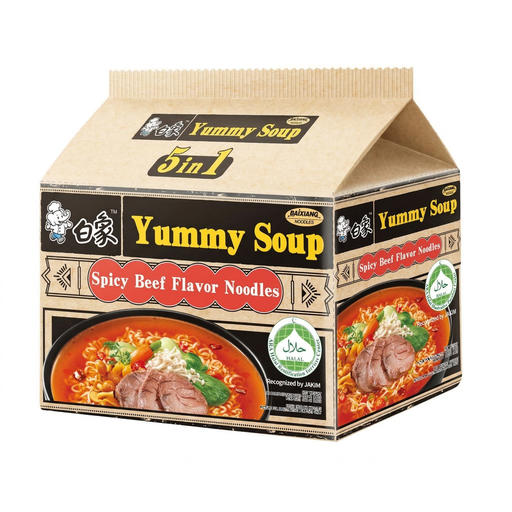
Why it fits this profile: The pack contains five servings and is offered as halal, making this variant practical for a household that specifically looks for that.
The product name and portion packaging make the choice clear. Check the certification details and allergens on the current packaging.
5 servings; spicy beef flavour according to the product description; prepare with boiling water.
We've put together a full, up-to-date list of products that fully meet these strict selection criteria and comply with current European safety regulations.
Unopened instant noodles can generally be kept at room temperature for a long time, as long as the packaging stays dry and intact. The exact best-before date is on the packaging. Once prepared, it's best to eat the noodles straight away. Don't store opened sachets of seasoning or oil separately without checking the instructions.
That depends on individual tolerance and the amount of seasoning used. For children, choose a milder variant and don't use the full sachet of chilli oil or sauce straight away. Also check allergens and prepare the noodles according to the instructions.
Divide the price by the number of servings, then compare the net weight per serving. Also consider delivery costs, shelf life and whether you'll actually use all the servings. A 20-pack can be good value per serving, but a 5-pack is more practical if you want to alternate between different flavours.
