
Vandaag of morgen in huis

Kwaliteit gegarandeerd

Welkomstaanbiedingen ontgrendelen: GRATIS bezorging | Tot 80% korting | Gratis 30 dagen JoyPlus-proefperiode
Download de app
A quick bowl of noodles is handy for students, busy workdays and a store cupboard that can take a bit of wear and tear. Yet Asian instant noodles vary greatly in flavour, preparation, portion size and ingredients. A striking packet doesn't tell you much about what's actually inside the sachet.
If you only look at a discount or a picture of a steaming bowl, you could end up with a product that's too spicy, doesn't suit an allergy or contains fewer portions than expected. With the following checks, you can choose more wisely between Chinese instant noodles, Korean ramen, Sichuan noodles and other quick Asian meals.
Terms like authentic, traditional or street-food-inspired aren't measurable product features. So look at the ingredients and preparation method instead. Sichuan noodles, for example, often contain chilli oil, vinegar and Sichuan pepper. That combination gives a spicy and possibly slightly numbing flavour. Korean ramen tends to focus more on a seasoned broth with chilli, garlic and dried vegetables.
An instant noodle multipack is practical, but always check the number of portions and the weight per pack. A box of 12 cups is suitable for a household, office or student house, while a 5-pack can be handier for occasional use. Also pay attention to the difference between a cup, a sachet and a bulk pack. A cup is easy without a pan, but generally takes up more space in the store cupboard.
Many instant ramen contain wheat and gluten. In addition, soya, sesame, peanuts, egg, fish, shellfish and milk frequently appear in the sauce or seasoning powder. So check the full product packaging, especially with seafood ramen, beef or pork flavour noodles and Korean barbecue varieties.
The salt content also deserves attention. The nutritional information is often given per 100 grams, while one portion can weigh more than 100 grams. So compare the total weight of the portion and, if you want a milder flavour, consider not using all the sauce or oil.
The noodle texture largely determines the eating experience. Fried noodles are often quick to prepare and have a recognisable springiness. Non-fried varieties, such as some wide A Kuan noodles and Wugu Daochang noodles, are described in the product description as non-fried. That tells you something about the production method, but isn't a general health claim.
Semi-dried noodles, like the Hefu variety, have a different mouthfeel and usually need to be boiled for a few minutes. Udon instant noodles are thicker and softer than many ramen varieties. So don't choose based on flavour alone, but also on the texture you want.
Always follow the instructions on the packaging. Cooking times, water quantities and microwave power can vary between products.
Spicy noodles aren't all the same. Chilli gives heat, while Sichuan pepper can mainly give a tingling or numbing effect. For example, A Kuan Red Oil Spicy & Sour combines chilli with vinegar, while the Chongqing varieties can have a málà profile with chilli oil and Sichuan pepper.
For a gentler start, braised pork rib noodles or a mild miso ramen make more sense. If you buy seafood ramen, pay extra attention to fish, prawns, mussels and squid in the ingredients list. Vegan instant noodles also need checking: a product without meat can still contain fish, milk, egg or shellfish.
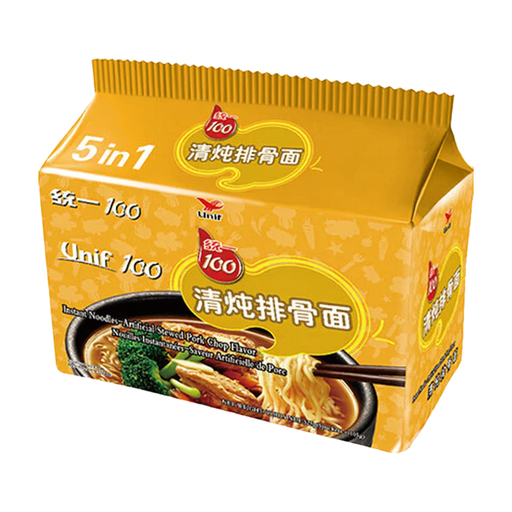
Why this fits the profile: The pack contains five individual sachets with a savoury pork rib flavour and a preparation that, according to the product information, takes a few minutes.
The number of sachets and total net weight are clearly stated. Do check the allergens: this variety contains wheat and soya.
5 portions of 105 grams; classic braised pork rib flavour; individual sachets for easy stock management.
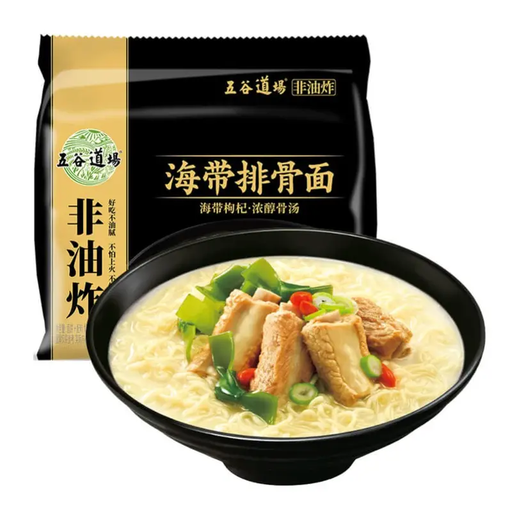
Why this fits the profile: The product description mentions non-fried wheat noodles, a kelp and pork rib flavour and separate sachets with vegetables and spices.
The description specifies the noodle preparation and the contents of the flavour packets rather than just a general quality claim.
5 portions of 107 grams; kelp and pork rib profile; vegetable toppings packed separately.
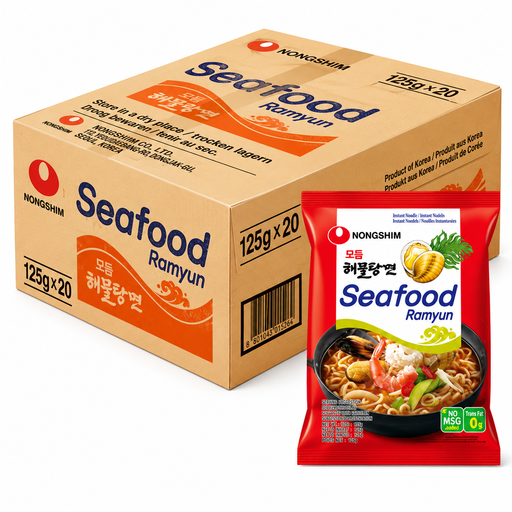
Why this fits the profile: The box contains 20 portions of 125 grams and is therefore suitable for a large household, office stock or regular fans of seafood ramen.
The large number of portions is clearly stated. Check the listed allergens before purchase: fish, prawns, mussels, squid, wheat and soya.
20 individual portions; seafood flavour with dried vegetables; suitable for bulk buying.
We've put together a full, up-to-date list of products that fully meet these strict selection criteria and comply with current European safety regulations.
Yes, they're designed for a short preparation time and usually contain noodles plus one or more flavour sachets. The nutritional value and composition vary between products. For more variety, add egg, tofu, pak choi or spring onion, but first check the instructions and allergens.
Don't use all the chilli oil or the full seasoning powder straight away. Add the flavourings step by step and dilute a soup variety with extra hot water. With stir-fry noodles, you can also add cucumber, egg or unseasoned vegetables. This does change the original flavour and nutritional value.
Check the best-before date on the packaging and store the noodles in a dry, cool place away from direct sunlight. Use an opened pack quickly. Products with semi-fresh noodles or frozen ingredients have different storage conditions than dry Chinese instant noodles or Korean ramen.
