
Vandaag of morgen in huis

Kwaliteit gegarandeerd

Welkomstaanbiedingen ontgrendelen: GRATIS bezorging | Tot 80% korting | Gratis 30 dagen JoyPlus-proefperiode
Download de app
Asian instant noodles are a handy option for a quick meal, a lunch at the office, or to keep in stock at home. Yet choosing online is less straightforward than a packet with an appealing flavour name might suggest. A portion can be 55, 60, 70, 75, 80 or 90 grams. The preparation method, allergens and salt content also vary significantly.
If you only look at the brand or picture, you risk missing a few common pitfalls.
"Prawn", "chicken" or "Tom Yum" on the front doesn't automatically mean there's a large amount of that ingredient inside. Check the ingredients list. With some products, it's about spices, flavourings or a small amount of powder. The MAMA Shrimp variant, for example, lists prawn powder in the ingredients, while Uni-President explicitly mentions dehydrated prawns and fish cake with a stated minimum quantity.
According to the brands' own product information, flavour and ingredients can vary per variant. Always use the current packaging as a reference.
A sachet of 55 or 60 grams is practical as a snack or light lunch. For a more substantial meal, 80 to 90 grams may be more suitable, especially if you're not adding extra ingredients. A bulk pack may seem good value, but it's only convenient if you eat that flavour regularly or share it with several people.
Many Asian instant noodles contain wheat and gluten. Depending on the flavour, soya, sesame, milk, egg, celery, fish or shellfish may also be present. Also look at the nutritional values per 100 grams and per portion. The stated values vary in the product information, for example from around 438 to 500 kcal per 100 grams and from around 2 to 5.9 grams of salt per 100 grams.
If you have an allergy or intolerance, the product page is not enough: check the packaging and the most recent ingredients list before consumption.
There are broadly two categories:
Indomie Mi Goreng Stir-Fry contains, according to the product description, spice powder, seasoned oil, sweet soya sauce and chilli powder. This gives a different usage occasion than MAMA or Yum Yum with a broth-like Tom Yum flavour.
Pay attention to three details:
A 108-gram pot is handy at the office when you only need boiling water. A 60-gram sachet takes up less space and fits well in a desk drawer or student room. For catering, a multi-person household or bulk buying, 10-, 20-, 30- or 40-packs are more efficient.
Check in particular:
The ingredients of Indonesian noodles, Thai instant noodles and stir-fry noodles are not the same. Sum & Sam Wok Noodles, for example, contain no included seasoning sachets and are intended for stir-frying with vegetables, wok oil and sauce. This makes them suitable as a base for your own dish, but less ready-to-eat than a complete instant meal.
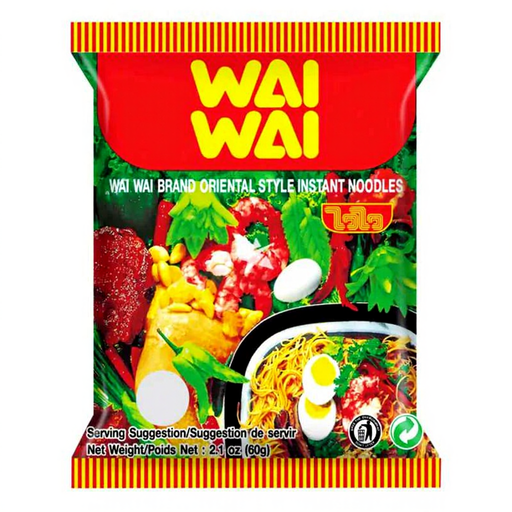
Why this fits the profile: A single 60-gram portion is straightforward for anyone trying Asian instant noodles for the first time or looking for an occasional quick snack.
The product information states a clear portion size and allergens such as wheat and soya. This allows you to check flavour, quantity and suitability in advance.
60 g per portion; preparation as a quick meal; Thai origin according to the product description.
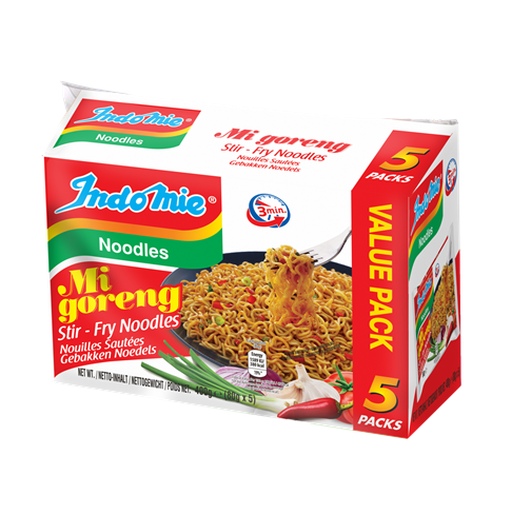
Why this fits the profile: Ideal for fans of Indonesian noodles who appreciate a dry Mi Goreng preparation and multiple flavour components.
The pack contains five 80-gram portions. The separate oil, spices, sweet soya sauce and chilli make the preparation method concrete rather than just showing a flavour promise.
5 x 80 g; dry Mi Goreng style; contains wheat, soya and sesame according to the product information.
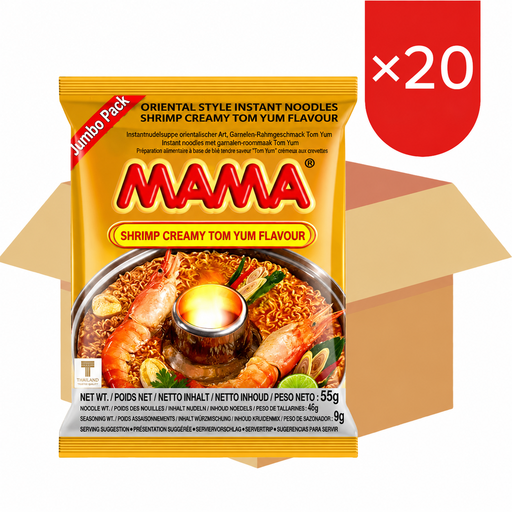
Why this fits the profile: The bulk pack is practical for shared use, catering, an office stash or households that regularly eat Thai instant noodles.
The box states 20 individual 90-gram portions and a preparation with 400 ml of water and three minutes of boiling. This makes stock and portion planning easier.
20 x 90 g; creamy prawn Tom Yum flavour according to the product description; made in Thailand according to the stated origin.
We've put together a full, up-to-date list of products that fully meet these strict selection criteria and comply with current European safety regulations.
Instant noodles are easy to adapt. Add, for example, pak choi, spring onions, beansprouts, an egg, tofu or leftover chicken. With chicken instant noodles or prawn instant noodles, you don't automatically need to add extra meat or fish; the flavourings already determine a large part of the profile.
For a drier preparation, choose Mi Goreng noodles and drain the cooking water. For soup-like Thai variants, leave the water in the pot or pan. Preferably use the amount of water stated on the packaging, because too little water can make the flavour saltier.
Store unopened packs in a cool, dry place away from direct sunlight. Check the best-before date before use and do not use sachets that are damaged or leaking.
The shelf life is stated on the packaging. Store the noodles in a dry, cool place away from heat and moisture. After opening, it's best to keep individual sachets well sealed. The date is not a substitute for checking the packaging, smell and product condition.
That depends on the portion size and what you add. A 55 or 60-gram sachet is often intended as a snack or light meal. With vegetables, egg, tofu or another source of protein, you can make the meal more filling. If you eat them regularly, also check the nutritional values, especially the salt content.
Mi Goreng noodles are typically mixed dry with oil, soya sauce and spices. Tom Yum noodles are usually prepared with hot water or in broth and have a sour, spicy and hot flavour direction. Always check the preparation instructions, because the exact ingredients differ per brand and variant.
