
Vandaag of morgen in huis

Kwaliteit gegarandeerd

Welkomstaanbiedingen ontgrendelen: GRATIS bezorging | Tot 80% korting | Gratis 30 dagen JoyPlus-proefperiode
Download de app
Asian instant noodles are a convenient option for a quick meal, a snack, or to keep in your cupboard. However, not all packs are the same. A 60g sachet is quite different from a 430g meal kit, and “spicy” doesn’t tell you much about the actual intensity of flavour. Ingredients, allergens and cooking methods can also vary significantly between different varieties.
With these checkpoints, you can compare instant ramen, Korean ramen, Chinese instant noodles, Thai instant noodles and Japanese noodles based on practical features rather than just packaging or marketing.
A noodle multipack can seem good value because of the large number of sachets. Always check the net weight per serving. A pack of 5 × 70g doesn’t contain the same amount as 5 × 100g. For a light snack, 60 to 70g may be enough; for a meal, a larger portion or extra vegetables, egg or tofu is more practical.
Spicy instant noodles can turn out very differently. Korean varieties often use chilli, garlic and a savoury base. Chinese varieties may also contain Sichuan pepper, sesame paste or vinegar. Thai noodles frequently combine chilli with lime-like acids and prawn flavour.
Read the ingredients list and check how many sauce or seasoning sachets are included. According to information from the brands themselves, a flavour profile might be described as authentic or rich, but the best way for you to judge a product is by looking at the listed ingredients, cooking method and nutritional values.
Many noodles contain wheat and soya. Milk, egg, peanut, sesame, fish or shellfish can also appear in certain seasoning mixes. Indomie Shrimp and MAMA Shrimp, for example, contain shellfish or prawns according to the product information. Samyang 4 Flavors Cheese Fire Chicken contains milk, soya and wheat.
Also check the best-before date on the packaging. Some products have a shorter remaining shelf life. A product with a short shelf life is less suitable for long-term storage.
Don’t just look at the number of sachets, but at:
Uni-President 100 Instant Noodles Braised Beef Flavor takes about 5 minutes to prepare and comes as 5 × 100g. Nissin Instant Soba Noodles Bag Chilli is a 110g bag containing wheat and buckwheat flour. For a quick meal without a pan, pre-cooked or instant-mix varieties can be more convenient.
European labelling requires that major allergens are clearly stated. Look out for:
“Vegetarian” or “vegan” should be checked against the product claim and ingredients list. NongShim Instant Vegetable Noodles is described as vegan-certified according to the product information, but it does list wheat and soya. This makes it unsuitable for anyone with a gluten or soya allergy.
Instant noodles often contain a seasoning mix that is relatively high in salt. The values differ per product and sometimes per serving size. Use the label as a point of comparison, and don’t automatically add the whole seasoning sachet if you prefer a milder flavour.
Also pay attention to the difference between soup noodles and dry noodles. With a dry variety such as Chapagetti or a stir-fry product, the sauce clings to the noodles. With soup noodles, some of the cooking water can be discarded, depending on the instructions on the pack.
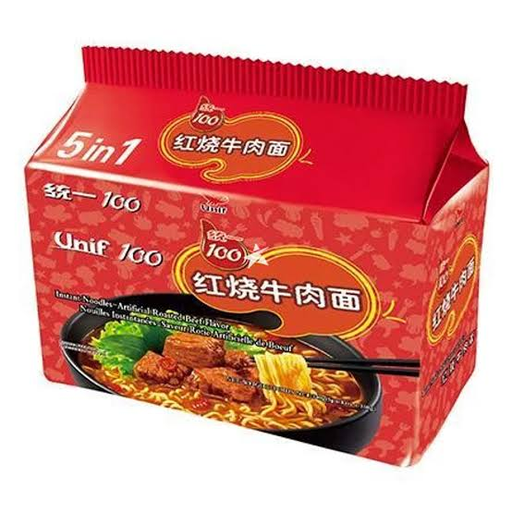
Why this fits the profile: The pack contains five 100g servings and offers a familiar beef flavour for anyone trying Asian instant noodles for the first time.
The net weight is clearly stated as 5 × 100g, so you’re not relying solely on the number of sachets.
Five individual servings, preparation in around 5 minutes and dried vegetables in a separate sachet.
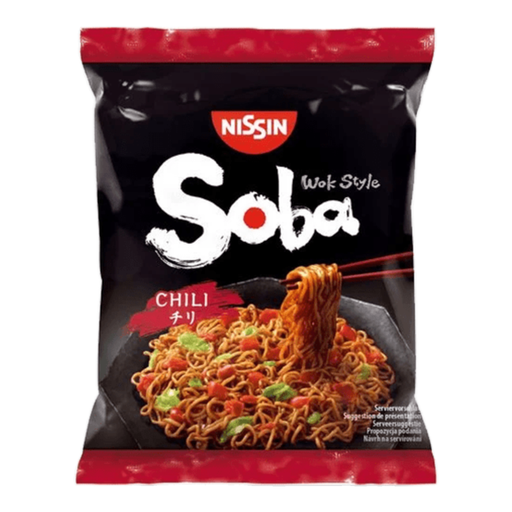
Why this fits the profile: These Japanese noodles combine wheat and buckwheat flour with a chilli seasoning and are designed as a 110g serving.
The product description lists the types of flour, serving size and cooking method, so you can make a concrete comparison.
110g per bag, buckwheat in the noodles and a stated salt content of 1.8g per 100g.
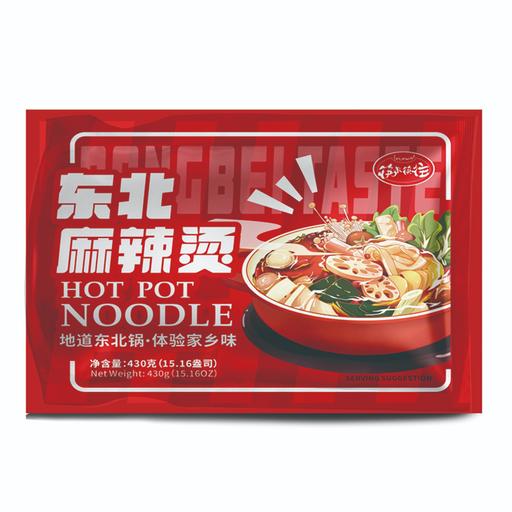
Why this fits the profile: These Chinese instant noodles are designed as a generous portion with noodles, vegetables and several seasoning sachets for a Sichuan-style flavour.
The contents aren’t limited to a small noodle block: the packaging lists vegetables and separate sachets for sauce, sesame, chilli and pepper.
430g net weight, cooking instructions with 500–550ml water and multiple textures from vegetables and noodles.
We’ve put together a full, up-to-date list of products that fully meet these strict selection criteria and comply with current European safety regulations.
Instant noodles are usually a base product. Add fresh or frozen vegetables, egg, tofu or chicken to taste. If you’re using vegetarian instant noodles, make sure you choose a variety whose ingredients and allergens clearly match your diet. With prawn-flavour noodles, check whether the seasoning mix actually contains prawns, shellfish or just flavourings.
For dry noodles such as jjajangmyeon or stir-fry noodles, a frying pan is handy. Soup noodles are usually prepared in a pan or bowl with boiling water. Always follow the instructions on the pack you receive, because packaging and cooking advice can change.
Choose a serving of around 100 to 140g or a larger meal pack with extra ingredients. A multipack is convenient if you eat noodles regularly, while a serving of 55 to 70g is more suited to a snack or light meal.
The best-before date is on the packaging. Store unopened noodles in a cool, dry place away from direct sunlight. When buying online, check the shelf-life information on arrival and use products with a shorter remaining shelf life sooner.
No. Check the ingredients list and allergen information. Some products contain milk, egg, fish, shellfish or animal-derived flavourings. A product claim with vegan certification provides more clarity on this, but also read the label on the pack when you receive it.
