
Vandaag of morgen in huis

Kwaliteit gegarandeerd

Welkomstaanbiedingen ontgrendelen: GRATIS bezorging | Tot 80% korting | Gratis 30 dagen JoyPlus-proefperiode
Download de app
Asian instant noodles are handy for a quick lunch, a late-night snack or a family store-cupboard staple. Yet not every pack is the same. The difference lies not only in the flavour, but also in the preparation method, portion size, spiciness, allergens and price per serving.
If you only go by an eye-catching packet or words like “authentic”, you could end up buying a product that doesn’t suit your preferences. So it’s best to focus on verifiable details on the label and in the product information.
Japanese ramen and many Korean instant noodles are prepared with broth. With Indonesian mi goreng, bibim noodles and other stir-fry noodles, you drain the cooking water and mix the noodles with sauce and seasonings instead.
This difference affects both the flavour and the cooking time required. Check whether it’s stir-fry, “dry noodles”, “mixed noodles” or “soup noodles”.
“Volcano”, “fire chicken” and “spicy” point to a pronounced flavour, but they don’t give a standardised European measure. The actual experience depends on how much sauce, chilli and oil you use. With some products, you can add part of the sachet to adjust the taste.
According to the brands’ own product information, different varieties contain chilli, Sichuan pepper, chilli oil or gochujang-style sauce. These are flavour descriptions, not a guarantee of a fixed level of heat.
A bulk pack of instant noodles often seems good value, but always compare the price per serving. A box of 20 sachets might be appealing for an office or family, whereas a five-pack is more practical if you want to try a flavour first.
Also pay attention to the net weight. A 50 g pack can’t be directly compared with a 140 g serving.
For students and busy shoppers, sachets with a short preparation time are practical. Some products need to be boiled for three to five minutes; others are soaked in hot water. A bowl variant, such as the Cung Dình Kool Korean BBQ Stir Fry Noodle Bowl, is suitable for the office or on the go because the portion is already in a pot.
For a meal with vegetables and egg, thicker noodles or wok noodles are often more suitable. Wok noodles and stir-fry noodles are drained after cooking and mixed with sauce. That makes them different from instant ramen with broth.
Choose based on the flavour type you’re after:
The country of origin of the product may differ from the cuisine style. A Korean barbecue variant, for example, might be produced in Vietnam. So check both the flavour description and the country of origin.
Always read the current label before buying. Many noodles contain wheat and gluten. In addition, soya, sesame, peanut, fish, shellfish, milk or celery are common in seasoning mixes and sauces.
The product information lists different nutritional values per variant. For example, Indomie Mi Goreng Original contains 2.0 g of salt per 100 g according to the supplied product information, while some other variants show higher values. Only use these figures to compare products, and check the packaging on delivery.
Store instant noodles in a cool, dry place, away from direct sunlight and moisture. Check the best-before date on the packaging. With a bulk pack, it’s wise to work out how many portions you’ll use within the stated period.
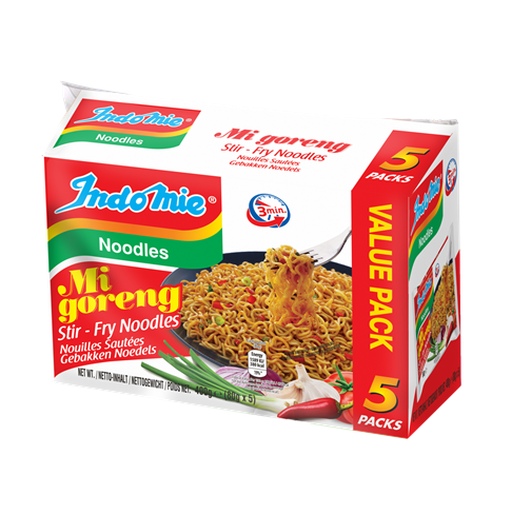
Why this suits the profile: A five-pack is manageable if you want to try Indonesian mi goreng without buying a large quantity straight away. The preparation involves boiling, draining and mixing with oil, seasonings, sweet soy sauce and chilli.
The packaging clearly states 5 × 80 g and contains separate flavour components, so you can adjust the amount of chilli to your taste.
Five individual portions; dry stir-fry preparation; product originally from Indonesia.
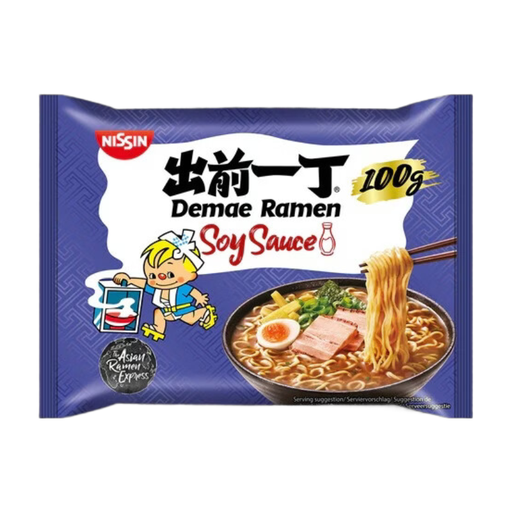
Why this suits the profile: This Japanese ramen variant focuses on a savoury Tokyo soy flavour and a 100 g portion. That suits anyone looking for a clear broth taste and an individual pack.
The product information explicitly mentions the flavour direction, portion size and allergens such as wheat, soya and celery.
100 g portion; soy and umami flavour; according to the product description, no artificial colourings.
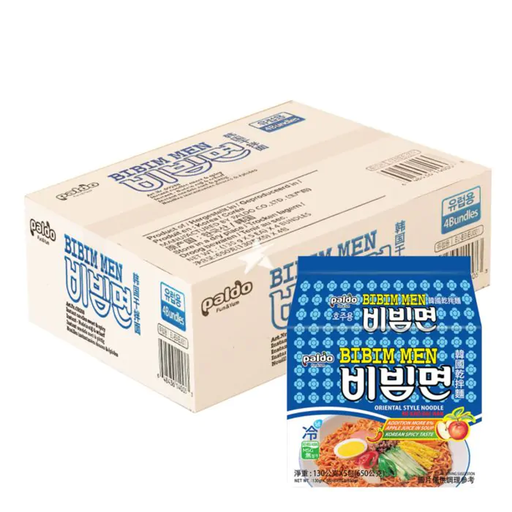
Why this suits the profile: The bulk pack with 20 portions is practical for families, offices, food service and enthusiasts who regularly eat Korean cold, spicy noodles.
The preparation clearly states that you rinse the noodles in cold water and mix them with sauce without broth. That prevents confusion with ramen.
20 portions of 130 g; thick noodles; sweet-spicy and sour sauce; from South Korea.
We’ve put together a full, up-to-date list of products that fully meet these strict selection criteria and comply with current European safety regulations.
Use this checklist before you order:
No. Japanese ramen with soy flavour and some mi goreng variants are more savoury or mildly spiced. Products with “volcano”, “fire chicken”, chilli oil or Sichuan pepper generally have a more pronounced spicy profile. Check the ingredients and, if in doubt, don’t add all the sauce at once.
Boil or soak the noodles according to the pack instructions. Then drain the water thoroughly and mix the noodles with the sauce, oil and seasonings. With some variants, such as udon, you briefly fry the noodles in a pan. Only add vegetables, egg or tofu if it suits the ingredients and your preference.
That depends on the price per serving, the weight per sachet and how many you’ll actually use. A box of 20 portions can be practical for an office or family, but a smaller pack reduces the risk of a flavour going unused. Also check the best-before date and your storage space.
