
Vandaag of morgen in huis

Kwaliteit gegarandeerd

Welkomstaanbiedingen ontgrendelen: GRATIS bezorging | Tot 80% korting | Gratis 30 dagen JoyPlus-proefperiode
Download de app
Asian instant noodles are handy for a quick meal, but not every pack suits the same situation. A student might be looking for an affordable multipack, while a family will pay more attention to portion size and cooking time. Spice lovers want plenty of flavour, but can be misled by the intensity of the seasonings.
The biggest mistakes usually come from three pitfalls:
So always check the product information and the packaging. According to the product listings, the actual packaging, ingredients and warnings may differ from the information online.
The preparation method largely determines the eating experience. With ramen or noodle soup, the seasonings and cooking water stay together in the bowl. With mi goreng, bibim noodles and jjajangmyeon noodles, the noodles are usually drained and then mixed with a sauce or seasoning mix.
Korean instant noodles are often available as soup noodles, but there are also dry varieties such as bibim noodles and jjajangmyeon. For Paldo Jjajangmen, the instruction is, for example: boil for a few minutes, rinse two to three times with cold water and then mix with the sauce. That's a different process from a bowl of ramen where broth is added.
Japanese instant noodles also offer different forms. NISSIN Demae Tokyo Soy is intended as a noodle dish with a savoury soy flavour. Nissin Soba Chilli is offered as a sachet variant, while the cup variant mainly offers convenience: add hot water and wait according to the pack instructions.
Indonesian instant noodles, such as Indomie Mi Goreng, are served dry. The pack contains, among other things, seasoning powder, oil, sweet soy sauce and chilli. So check whether you're looking for a soup dish or a stir-fry-style preparation.
A standard sachet is often around 70 to 140 grams, but that doesn't automatically mean every portion is the same size or equally filling. Look at the net weight per pack, not just the number of sachets.
For regular use, multipacks are practical. Indomie Mi Goreng is available as 5 × 80 grams. For bulk use, there are larger packs, such as MAMA Instant Flat Noodles Yentafo with 30 × 50 grams and Nature’s Best Harvest Udon with 30 × 200 grams. These sizes can suit offices, student houses, catering businesses or households where several people regularly eat noodles.
Also pay attention to storage space and the best-before date. Store dry products in a cool, dry place, away from direct sunlight and moisture. Check the packaging for damage before using the product.
The flavourings make a big difference. Mi goreng often contains sweet soy sauce and chilli, while jjajangmyeon uses a sauce based on black bean paste. Spicy instant noodles can also contain chilli extract, chilli powder or red pepper oil. The exact intensity isn't always clear from the front of the pack.
So check:
The allergen information below is based on the available product listings. Always check the actual packaging, especially if you have an allergy or intolerance.
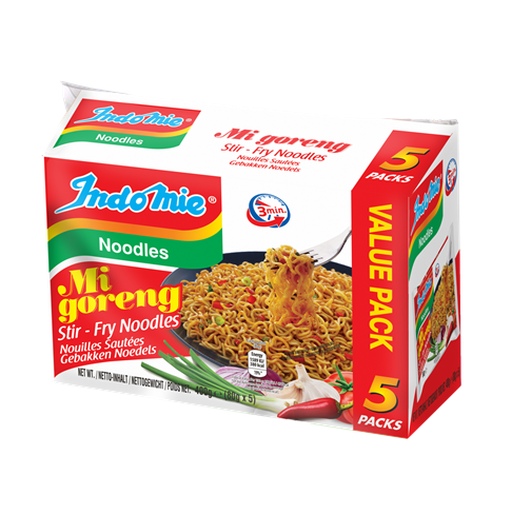
Why this fits the profile: The 5 × 80 gram pack is manageable for anyone trying Indonesian instant noodles for the first time or looking for a small stock. The dry preparation suits a quick lunch or meal.
The product listing mentions the separate seasoning oil, seasoning powder, sweet soy sauce and chilli. This makes it clear from the start that this is not a soup noodle.
5 × 80 grams; ingredients include wheat, soya and sesame. The pack contains a complete mix for a dry preparation.
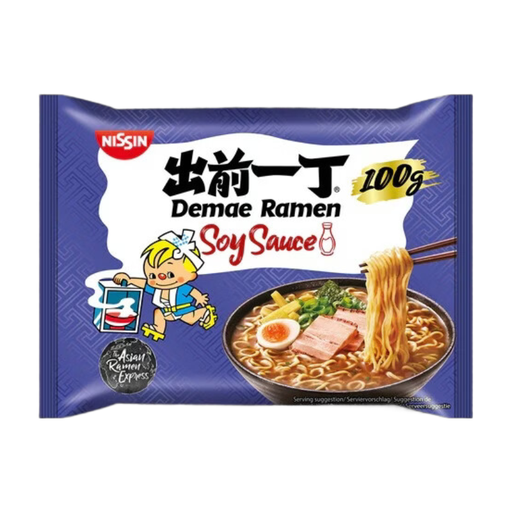
Why this fits the profile: These Japanese instant noodles suit anyone looking for a savoury soy flavour and an individual portion. The sachet form is easy to store and ideal for a quick meal.
The product information states the flavour profile, preparation method and allergens. This allows you to compare the product without relying solely on the front of the pack.
100 grams per sachet; according to the product listing, no artificial colourings. Contains wheat, soya and celery.
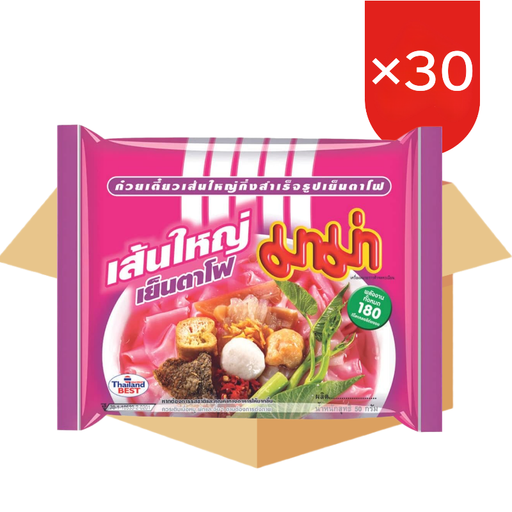
Why this fits the profile: The format of 30 individual sachets is practical for bulk use, business stock or a household with several noodle lovers. According to the product information, preparation takes two to three minutes.
The quantity per sachet and the preparation steps are clearly stated. This prevents a bulk pack from being inconvenient due to unclear portions or extra cooking work.
30 × 50 grams; flat rice noodles with yentafo seasoning mix, oil and chilli powder. The preparation instructions use approximately 300 ml of hot water per portion.
We've put together a full, up-to-date list of products that fully meet these strict selection criteria and comply with current European safety regulations.
Follow the time on the pack and use the stated amount of water. For dry noodles like mi goreng or bibim noodles, drain the cooking water before adding the sauce. Don't boil for longer than necessary and mix in the seasonings straight after draining.
The best-before date is on the packaging. Store unopened products in a cool, dry place away from direct sunlight. Don't use any product where the packaging is damaged. With multipacks, it's a good idea to use the packs with the earliest date first.
Not necessarily. The label “spicy” can refer to chilli powder, chilli oil, chilli sauce or chilli extract. Check the ingredients and, if in doubt, add only part of the seasoning mix first. Also pay attention to allergens and the nutritional information per portion.
