
Vandaag of morgen in huis

Kwaliteit gegarandeerd

Welkomstaanbiedingen ontgrendelen: GRATIS bezorging | Tot 80% korting | Gratis 30 dagen JoyPlus-proefperiode
Download de app
Asian instant noodles are handy for a quick meal, a student snack, or to keep in the cupboard. Yet the range can sometimes be more complicated than it looks. A packet with a striking flavour name tells you little about the preparation, portion size, or ingredients list. If you only focus on price or heat level, you could end up with a product that doesn’t suit your eating habits.
In this buying guide, you’ll learn what to look for in instant ramen, Korean ramen, Indonesian noodles, Chinese instant noodles, and Thai instant noodles.
A 5-pack or multipack of noodles might seem practical, but first check the weight per sachet. A pack of five 70 g sachets contains significantly less product than five sachets of 100 g or 120 g. So compare the price per 100 g rather than just the pack price.
A larger pack, such as 6 or 20 portions, makes sense if you eat noodles regularly. If you haven’t tried a flavour before, a smaller pack is less of a financial risk.
Heat can come from chilli powder, chilli sauce, or oil. The flavour can therefore be dry, sour, savoury, or even creamy. For example, Buldak Carbonara combines a spicy sauce with a carbonara-style powder mix, according to the product description. Shin Ramyun is an instant noodle soup with a seasoned broth, while Mi Goreng is eaten without soup.
With spicy noodles, pay attention to the preparation method. For a stir-fry variety, the water is usually drained off; with instant noodle soup, the cooking water stays as part of the dish.
Check whether the stated time includes only soaking or also boiling. Many products are ready in about four to five minutes, but some wide rice noodles need eight to ten minutes. A product like JINBAIWEI ramen is heated in the microwave according to the product information, while other varieties are prepared in a pan or with boiling water.
Always follow the instructions on the packet. The information on a webpage may differ from the actual packaging.
First, choose between a soup, dry noodles, or a dish with sauce:
A product with a beef flavour doesn’t automatically contain a large amount of beef. Check the ingredients and the quantitative ingredient declaration. For example, Bai Xiang Classic Spicy Beef lists 5% beef in the product information.
Compare the values per 100 g and also look at the total weight of one portion. The nutritional values of dry noodles are not directly comparable with a prepared dish, because water increases the weight after cooking.
Pay particular attention to:
The salt content varies greatly between products. In the product information provided, for example, Chapagetti has 2.0 g of salt per 100 g, while some other varieties are above 4 g per 100 g. If you want to make the flavour less intense, you can use part of the seasoning mix, but always follow the label if you have allergies.
Store unopened instant noodles in a cool, dry place, away from sunlight and moisture. When buying online, check the best-before date on the packaging as soon as the product arrives. A cardboard outer box or multipack takes up more space; individual sachets are easier to divide up but offer less protection against crushing.
Also check that the packaging is undamaged. Do not use a product if a sachet is open or the packaging has become damp.
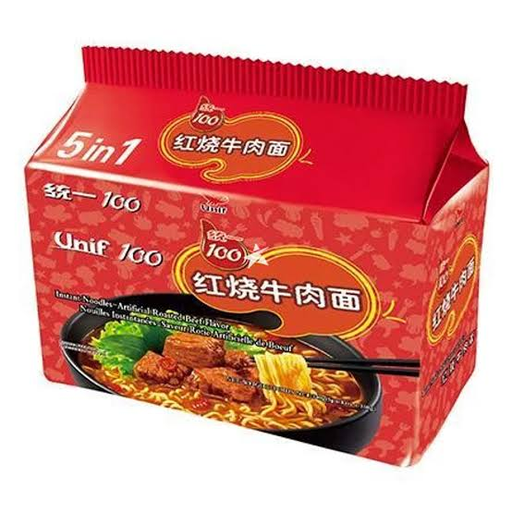
Why this fits the profile: A straightforward 5-pack with 100 g portions and a preparation time of around five minutes. The classic beef flavour is an easy introduction to Chinese instant noodles.
The total weight and portion breakdown are clearly stated: five sachets of 100 g. This makes comparison easier than with multipacks containing smaller portions.
100 g per sachet, five portions, and dried vegetables in a separate sachet.
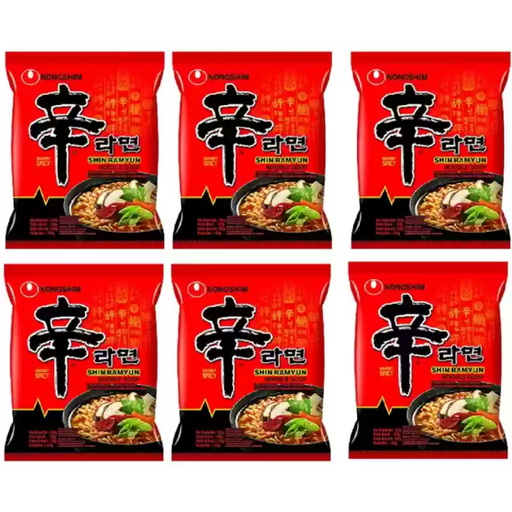
Why this fits the profile: For fans of a hearty Korean ramen with broth and a distinct spicy flavour. The packaging states preparation with 550 ml of water and around 4.5 minutes of cooking time.
The preparation method makes it clear that these are soup noodles. So you don’t have to guess whether the cooking water should be drained off.
120 g per portion, six sachets, and dried vegetables in the seasoning mix.
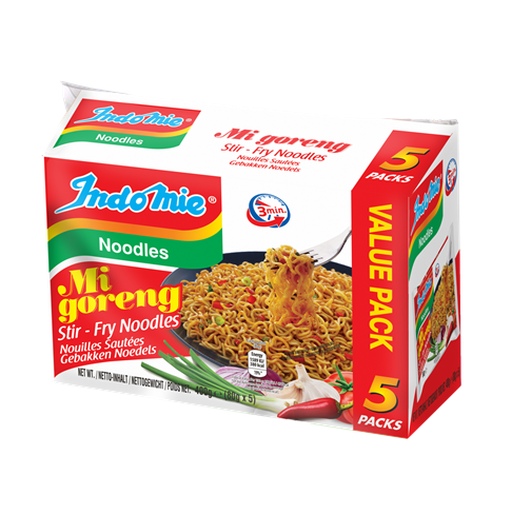
Why this fits the profile: Suitable for those looking for dry Indonesian noodles with sweet soy sauce, seasoning oil, and chilli. You can add egg, vegetables, or fried shallots to the dish.
The product information explicitly states that the water is drained after soaking. This prevents a sauce that is too thin or incorrectly prepared.
Five portions of 80 g and several separate flavour components, including sweet soy sauce and chilli.
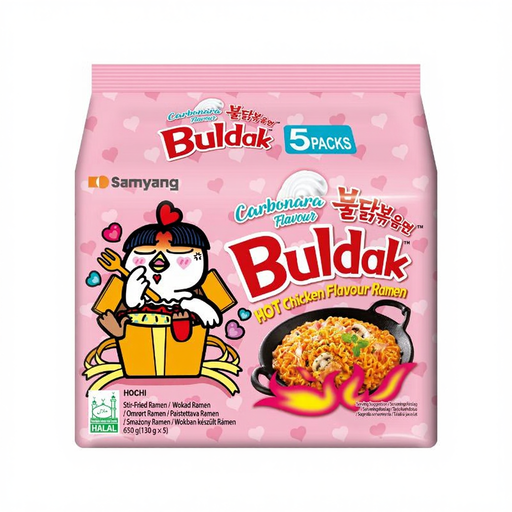
Why this fits the profile: This Korean ramen combines a spicy chicken-style sauce with a creamy carbonara powder mix, according to the product description. The generous portions are designed for those who want bold flavours.
The ingredients list includes wheat, soya, and milk, among others. This makes it easier to check in advance whether the flavour and allergens suit you.
Five portions of 130 g, hearty noodles, and a separate sauce and powder mix.
We’ve put together a full, up-to-date list of products that fully meet these strict selection criteria and comply with current European safety regulations.
Choose a product with a preparation time of around four to five minutes and check whether you need a pan. Sachet noodles are handy at home, while cup noodles are practical for the office or on the go. Feel free to add vegetables, egg, or tofu if you want to adapt the meal.
Instant ramen is usually eaten as a soup with broth. Mi Goreng is an Indonesian stir-fry style where you drain the noodles after cooking or soaking and mix them with oil, spices, and sweet soy sauce. The two products therefore have a different texture and preparation method.
The best-before date is on the packaging. Store unopened products in a dry, cool place away from direct sunlight. Preferably use an opened sachet straight away and consume prepared noodles immediately. If in doubt, always check the label, the packaging, and the allergen information.
