
Vandaag of morgen in huis

Kwaliteit gegarandeerd

Welkomstaanbiedingen ontgrendelen: GRATIS bezorging | Tot 80% korting | Gratis 30 dagen JoyPlus-proefperiode
Download de app
Asian instant noodles are a convenient option for a quick Asian meal, a late-night snack or a well-stocked cupboard that always has something useful to hand. The range includes Korean ramen and Buldak ramen, as well as Chinese instant noodles, hotpot noodles, udon noodles and rice noodles. This can make it difficult to know which variety is right for your needs.
An attractive package does not tell you everything, either. Pay particular attention to the preparation method, portion size, heat level, allergens and shelf life. This helps you avoid buying a large pack that does not suit your taste or kitchen routine.
Words such as “hot”, “spicy” and “fire” usually indicate a fiery taste, but they say little about the rest of the flavour profile. Some spicy noodles combine chilli with garlic, soy, sesame or a creamy sauce. Other varieties are mainly salty and hot.
With Buldak ramen, it is sensible to take the warning on the packaging seriously. The original Samyang Buldak Hot Chicken Ramen is described as extremely spicy. The Carbonara and Rose varieties contain milk or cheese ingredients, but they are still highly seasoned products. If you are less accustomed to spicy food, start by using only part of the sauce sachet.
A pack containing five or ten sachets may seem practical, but check the weight per portion first. Samyang Carbonara, for example, contains 130 grams per sachet; a pack of five therefore weighs 650 grams. A large box of 40 packs is particularly useful if you eat instant ramen regularly or share your home with several noodle lovers.
For occasional use, a noodle bowl may make more sense. A portion such as the 240-gram Obento Spicy Sesame Ramen Noodle Bowl is designed for immediate preparation and takes up less storage space.
Marketing copy may present flavours attractively, but the ingredients list and nutritional information provide the verifiable details. Look at:
Online product information may differ from the label. Always check the current packaging, particularly if you have allergies or food intolerances.
Wheat noodles are often used for Korean ramen, stir-fry noodles and udon noodles. Udon is generally thicker and more elastic. Broad sweet potato noodles, such as those used in some hotpot varieties, absorb plenty of sauce and have a soft, chewy texture.
Rice noodles, such as those used in Vietnamese pho, have a different texture and are often paired with a light broth or dried herbs. For stir-fries, plain wok noodles are more practical because you can add your own vegetables, tofu or meat alternatives, and sauce.
Check whether you need a pan, kettle or microwave. An instant bowl is suitable for the office, student accommodation or eating on the go when boiling water or a microwave is available. A wok variety requires more preparation, but gives you the flexibility to add fresh ingredients.
According to the product information, Conimex Wok Noodles take around two minutes to prepare. The noodles are intended as a base for a stir-fry and are suitable for three to four people per pack. This is different from a complete noodle bowl designed for one person.
Some products contain several sachets: oil, seasoning powder, vegetables, chilli or sauce. This makes the flavour adjustable, but check carefully when each sachet should be added. With dry noodles containing chilli oil, such as A Kuan Red Oil Broad Noodle, the water is drained after soaking before the flavourings are mixed in.
Compare nutritional values per 100 grams and per portion. For example, the supplied product information for Samyang Buldak Carbonara lists 423 kcal and 2.6 grams of salt per 100 grams. The amount may therefore be different for a full portion. Use the packaging as your guide.
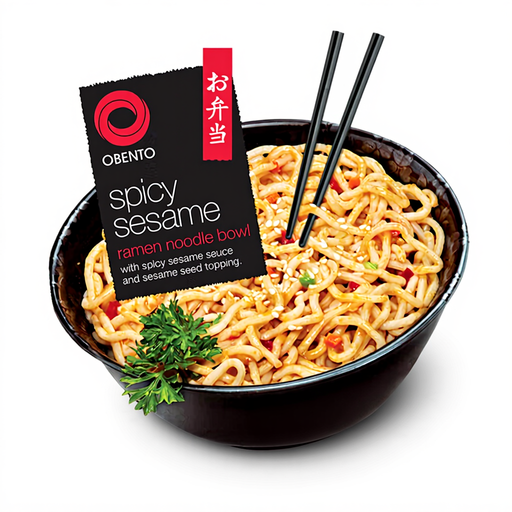
Why it suits this profile: This bowl is designed for ease: add boiling water and wait a few minutes. It is ideal for students, busy working days and anyone who wants to try a flavour before buying a large multipack.
The portion size and preparation method are clearly defined. However, check the stated salt content and allergens: the product information lists wheat, sesame and soya.
240 grams per bowl, prepared with boiling water, combining sesame, chilli and dried vegetables.
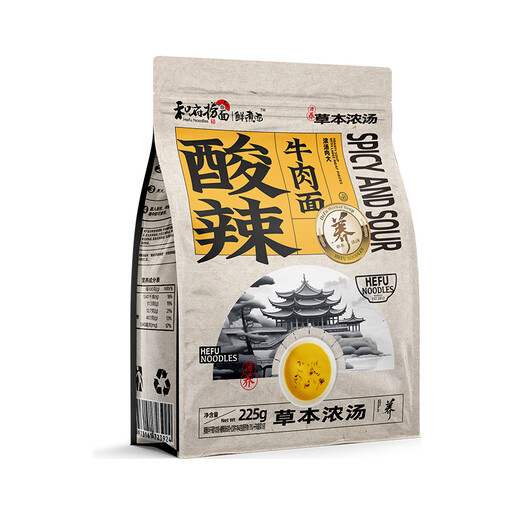
Why it suits this profile: The combination of semi-dried noodles, soup base, beef and pickled vegetables offers more components than a simple seasoned noodle. It is a good choice if you are looking for a richer Chinese instant noodle meal.
The contents are clearly specified: 225 grams with a beef component and separate flavourings. Pay attention to the preparation steps and allergens such as wheat, egg, soya, peanuts, fish and sulphites.
A hot-and-sour broth, semi-dried noodles and a separate beef sachet. According to the product information, preparation takes a few minutes.
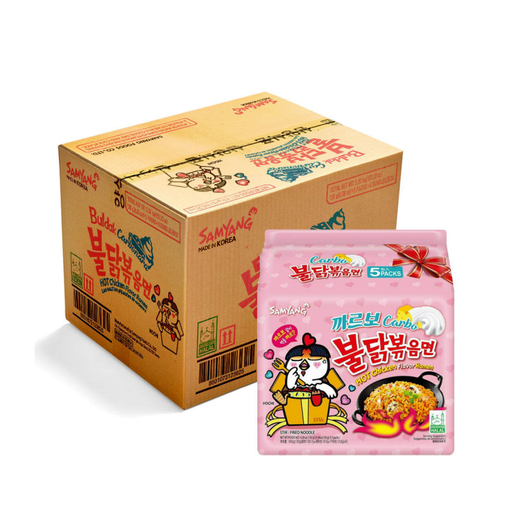
Why it suits this profile: The box of 40 sachets is intended for frequent consumers, shared use or keeping a generous supply of Korean ramen. The Carbonara flavour combines a creamy sauce with a fiery seasoning profile.
The large number of sachets is clearly stated, allowing you to match the quantity to your consumption. The product information lists gluten, soya and sesame, with possible cross-contamination involving several other allergens.
40 individual portions of 130 grams and a firm noodle suitable for brief cooking before being mixed with sauce.
We have compiled a complete, up-to-date list of products that fully meet these strict selection criteria and the applicable European safety regulations.
It is a collective term for quick-to-prepare noodle products from countries including Korea, China, Japan and Vietnam. This includes instant ramen, Korean ramen, noodle bowls, hotpot noodles, udon and rice noodles. Preparation can range from adding boiling water to cooking on the hob or using a microwave.
The best-before date is shown on the packaging. Store dry products according to the stated instructions, usually in a cool, dry place, and do not use a pack if it is damaged. If in doubt, follow the label, as recipes and storage advice vary from one product to another.
This depends on the child’s age, taste preferences and tolerance for chilli. Products with terms such as “hot”, “spicy” or “Buldak” may be fiery. Always check the allergens and nutritional information as well. For a milder introduction, choose a sesame or teriyaki variety and adjust the sauce where this is permitted by the preparation instructions.
