
Vandaag of morgen in huis

Kwaliteit gegarandeerd

Welkomstaanbiedingen ontgrendelen: GRATIS bezorging | Tot 80% korting | Gratis 30 dagen JoyPlus-proefperiode
Download de app
Asian instant noodles are a handy option for a quick meal, lunch at the office, or a store-cupboard staple for busy days. However, not every pack is equally suited to your needs. A single portion might seem economical, while a bulk pack could be a better fit for a student house or workplace. What’s more, wheat noodles, rice noodles and vermicelli differ significantly in texture, preparation and allergens.
The Joybuy Product Recommendation Officer is here to help you cut through the marketing speak and focus on the facts: contents, weight, ingredients, cooking time and storage instructions.
A box of 30 packets might look like great value, but the weight per portion varies. For example, a pack of MAMA Shrimp Creamy contains 30 portions of 55 grams, whereas the MAMA Shrimp Tom Yum pack has 20 portions of 90 grams. So don’t just compare the price per box – also compare the price per 100 grams and the amount per serving.
Rice noodles and rice vermicelli often have a neutral base. They work well in soup, stir-fries or salads, but they don’t always come with seasoning or broth. According to the product information, a bag of Farmer Brand Rice Stick Noodle is made from rice flour and is intended for you to combine with vegetables, egg, tofu or meat.
With instant noodles that include flavour sachets, you usually get a ready-made seasoning base. Just check that the flavour matches your expectations. Tom yum noodles are typically sour and spicy, while Pad Thai noodles tend to be sweet, savoury and tamarind-like.
Many instant noodles contain wheat, soya, milk or shellfish. This applies, for instance, to various prawn-flavoured noodles and some chicken instant noodles. Always read the current packaging, even if the online product page shows an allergen overview.
Nutritional information can vary from product to product and from pack to pack. Some listings show values per 100 grams, others per prepared portion. So check the unit, the salt content and the amount of seasoning oil before you compare.
A pack of Farmer Brand Rice Stick Noodle 3 mm contains 400 grams of rice noodles and lists rice flour as the ingredient. Wai Wai Rice Noodle Kway Teow, according to the product information, contains rice and water and comes in a 400-gram bag. Products like these give you more freedom to choose your own flavour and toppings.
Check whether you need boiling water or whether the noodles need to be cooked in a pan. The Acecook Tom Yum Shrimp pack says to add boiling water and wait about four minutes. MAMA Shrimp Tom Yum recommends cooking for three minutes with 400 ml of water. A cup variant, such as Mama Chicken Cup Noodles, is practical on the go, but according to the product information, the cup should not be used in the microwave.
With dry Pad Thai noodles, you sometimes need to drain the water before adding the sauce. That’s different from noodles in broth. So look at the preparation method if you want a quick meal with minimal washing up.
For regular use, bulk pack noodles are worth considering. Pay attention to:
Store dry noodles in a cool, dry place away from direct sunlight and moisture. Once opened, seal the bag airtight if possible. Do not use damaged packaging.
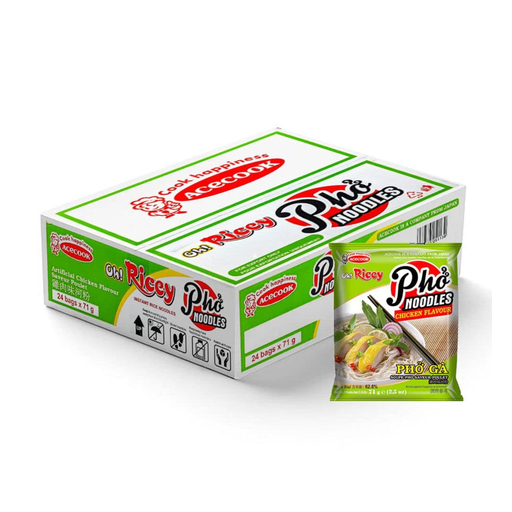
Why this fits the profile: A box of 24 individual portions is practical for students, shared households and keeping a steady supply. The product information lists rice noodles with chicken broth flavour and separate sachets of soup base, oil and vegetables.
The total number of portions and net weight are clearly stated. However, check the allergens before purchase: the product information mentions soya, wheat, barley and milk among others.
24 portions of approximately 71 grams; rice noodles; suitable for lunch, a snack or eating on the go.
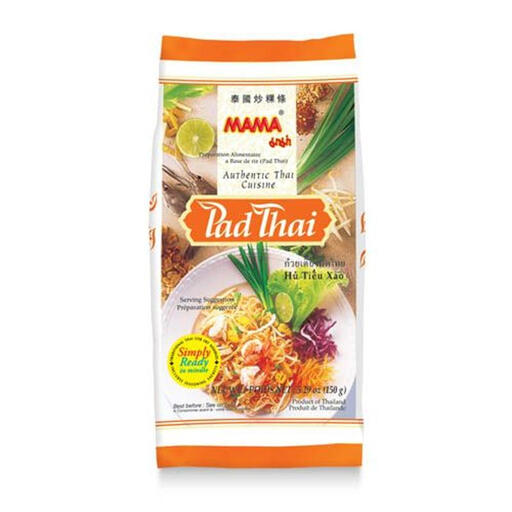
Why this fits the profile: For anyone looking for an authentic Thai flavour without having to gather all the sauces and spices themselves. The pack contains noodles and Pad Thai sauce in a single 150-gram portion.
The flavour profile is specifically listed as Pad Thai, so you won’t confuse it with tom yum or chicken broth. Check the listed wheat and soya allergens.
150 grams per pack; sauce and noodles together; suitable for lunch, dinner or a snack.
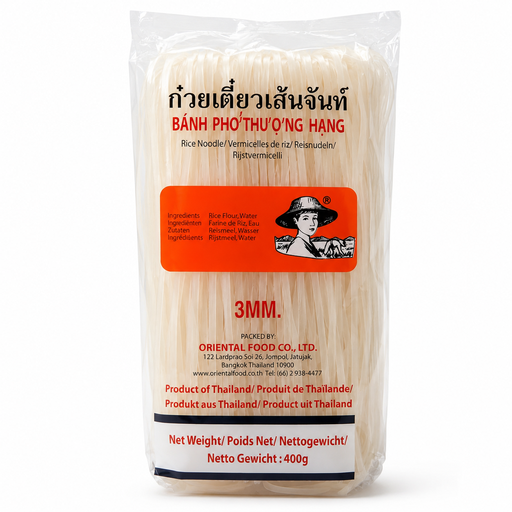
Why this fits the profile: A versatile base for anyone who wants to make their own Thai stir-fry noodles, Vietnamese soup or vegetarian rice noodles. The 3 mm thickness is clearly stated.
The product information lists rice flour as the ingredient, rather than a vague flavour description. Bear in mind that you will need to add your own broth, sauce and toppings.
400 grams per bag; 3 mm wide rice sticks; according to the product information, free from the 14 major EU allergens.
We’ve put together a full, up-to-date list of products that fully meet these strict selection criteria and comply with current European safety regulations.
That depends on the product. Some instant noodles are made by adding boiling water and waiting three to four minutes. With a cup variant, you fill the cup according to the instructions and let the noodles stand. Always check the packaging for the correct amount of water and cooking time.
The best-before date is on the packaging and varies by product. Store unopened noodles in a dry, cool place away from direct sunlight. Once opened, it’s a good idea to seal the contents well and follow the instructions on the label.
That’s not automatically the case. Some rice noodles contain only rice flour and water, but cross-contamination or flavour sachets may contain other allergens. So always check the current ingredients list and allergen information. If you have a food allergy, don’t rely solely on the product name.
