
Vandaag of morgen in huis

Kwaliteit gegarandeerd

Welkomstaanbiedingen ontgrendelen: GRATIS bezorging | Tot 80% korting | Gratis 30 dagen JoyPlus-proefperiode
Download de app
Asian instant noodles are a handy option for a quick meal, a late-night snack, or simply to keep in the cupboard. However, Chinese instant noodles, Korean ramen, Sichuan noodles and udon noodles differ greatly in flavour, preparation and portion size. A striking packet doesn’t always tell the full story.
Pay particular attention to three common pitfalls:
The texture plays a big part in the eating experience. Wide noodles absorb sauces well and often have a firm, springy bite. That suits dry Sichuan noodles, Chongqing noodles and stir-fry noodles.
Udon noodles are generally thicker and softer. Do check whether they are dried or pre-cooked udon. Pre-cooked varieties can sometimes be prepared in the microwave in just a few minutes, whereas dried noodles need to be boiled first.
With instant ramen and noodle soup, the cooking water usually stays as part of the dish. The flavour then comes from a broth powder or liquid soup base. With dry noodles, you often drain the water and then add oil, vinegar, sesame or seasonings.
A single pack of 100 to 120 grams is ideal for trying out a flavour. For a student house, office or household, a multipack of instant noodles can be more practical. Don’t just look at the number of packets, but also at the weight per portion and the method of preparation.
A pack of five 100g sachets is structured differently to a box of twelve 105g pots. Pots are convenient at work or on the go, but sachets take up less space in the cupboard.
Read the label before you order, especially if you have allergies or dietary preferences. Many products contain wheat/gluten, soya and sesame. Other varieties also contain egg, fish, shellfish, mustard, milk or peanuts.
Also pay attention to the salt content. The nutritional information is often given per 100g, but the total portion may be heavier. With a noodle soup, the entire soup base is consumed; with drained stir-fry noodles, the cooking water is left behind.
Claims such as “not fried” or “healthier option” should be read as product information from the brand, not as a medical assessment. For example, A Kuan states that some noodles are prepared using a high-temperature sterilisation technology instead of being fried. Always check the current packaging and ingredients list.
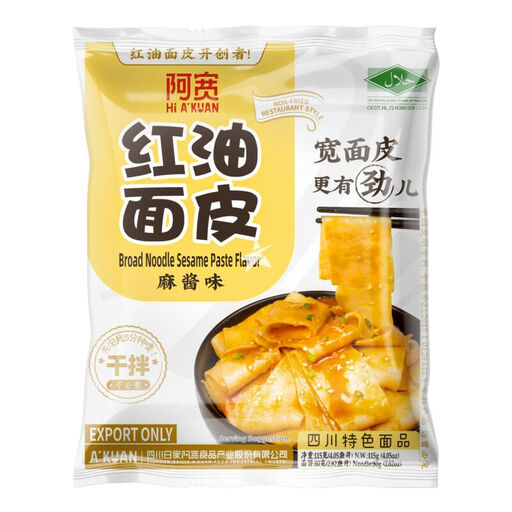
Why this fits the profile: A single portion of wide noodles is an easy way to try Sichuan-style dry noodles. The instructions ask for 5–6 minutes of soaking in boiling water.
The product description mentions separate sachets of sesame paste, vinegar and powder. This means you can control the flavour and try just one portion first.
115g per pack, wide wheat noodles and sesame paste with 46% in the sauce sachet according to the product specification.
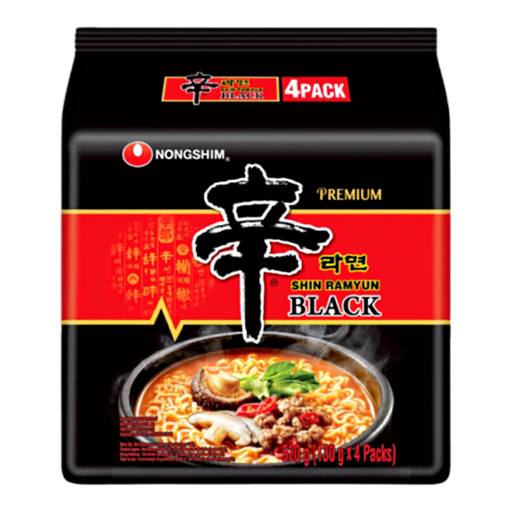
Why this fits the profile: This Korean ramen comes as a multipack of four 130g sachets and is intended as a noodle soup with a spicy broth.
The portion size and preparation style are clearly stated. Do check the allergens beforehand: the list includes wheat, egg, sesame, soya and fish, among others.
Four individual 130g portions, with dried vegetables and a soup base containing garlic, mushroom and chilli according to the label.
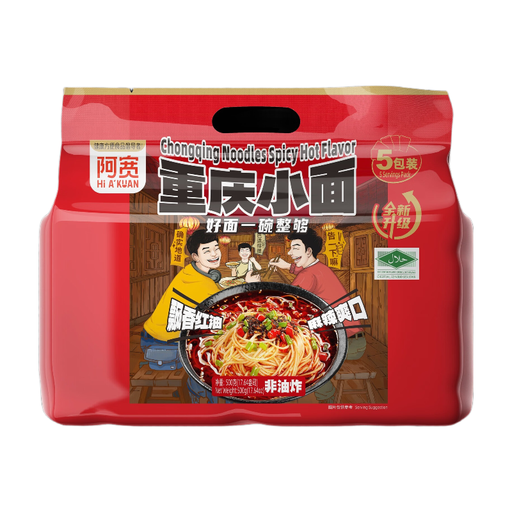
Why this fits the profile: The pack contains five 100g portions. That suits a supply for several quick meals and fans of Chongqing noodles.
The chilli oil is added separately, so you can adjust the amount. The preparation states 3–4 minutes of boiling and around 300ml of hot water for the soup.
500g total weight, five individual sachets and separate soup base, chilli oil and vegetable sachets according to the product information.
We have compiled a full, up-to-date list of products that fully meet these strict selection criteria and comply with current European safety regulations.
Follow the instructions on the packet. Sachet noodles are usually boiled or soaked in boiling water. With dry noodles, you often drain the water before adding the sauce. Noodle soup, on the other hand, requires a specific amount of cooking water. A pot product may be suitable for microwave preparation; check the wattage and the stated time.
Store unopened packets according to the label, usually in a cool, dry place away from direct sunlight. The exact best-before date is on the packaging. Once opened or prepared, it is best to consume instant noodles straight away. Products with fresh or semi-dried noodles may have different storage instructions to dried noodles.
No. “Spicy” is not a fixed scale. Chilli oil provides heat, while Sichuan pepper can give a tingling or numbing sensation in the mouth. Start with part of the oil or seasoning sachet and add more later. This way you can tailor the flavour to your own preference.
