
Vandaag of morgen in huis

Kwaliteit gegarandeerd

Welkomstaanbiedingen ontgrendelen: GRATIS bezorging | Tot 80% korting | Gratis 30 dagen JoyPlus-proefperiode
Download de app
A packet of Asian instant noodles might seem straightforward to pick, but the range varies widely in flavour, portion size, origin and ingredients. A small pack is handy for one person, while a multi-pack or bulk pack can be more appealing for students, families, catering businesses or resale.
When comparing, don't just rely on the picture or terms like "authentic" and "extra rich flavour". The practical information on the label is what really tells you whether a product suits your needs.
A bulk pack of instant noodles often contains 20, 30 or 40 sachets. Always check the price per serving and the gram weight per sachet. A box of 40 servings at 70g each isn't directly comparable to a box of 30 servings at 90g each.
For home use, a 5-pack can be more manageable. For an office, student house, catering kitchen or shop stock, an instant noodles multi-pack may be more practical.
"Chicken", "shrimp" or "Tom Yum" refers to the flavour profile, but not necessarily to a large amount of chicken or prawns. Check the ingredients. For example, the product information for some Indomie varieties mentions chicken or shrimp flavouring, while MAMA Tom Yum products may contain prawn powder, fish sauce or shellfish.
According to the manufacturer's own product information, the flavour can be built from herbs, flavourings, flavour enhancers, oil and spices. So treat a flavour name as an indication of the recipe, not as proof of the quantity of a specific ingredient.
If you're looking for vegetarian instant noodles, it's wise not to rely solely on the front of the packet. Watch out for chicken flavouring, fish sauce, prawn powder, shellfish and milk derivatives. Product information and recipes can also vary by country or pack version.
If you have allergies, always read the current label. The online product page is useful for an initial comparison, but the packaging contains the most up-to-date information on ingredients, allergens and shelf life.
Many individual sachets weigh between 55 g and 90 g. A product of 55 g or 60 g can work as a snack or light meal. Variants from 70 g to 90 g generally offer more noodles per sachet.
Also check whether you need to:
Mi Goreng noodles, for example, are eaten without soup. Indomie Mi Goreng comes with separate sachets including seasoning powder, oil, sweet soy sauce and chilli. That gives a different eating experience compared to a noodle soup with broth.
For fans of Indonesian noodles, Indomie Chicken and Mi Goreng are logical starting points. Mi Goreng is a dry stir-fry style with sweet soy sauce and chilli. The Chicken variants, on the other hand, are intended as a noodle soup with chicken seasoning.
If you're after Thai instant noodles, you'll often come across MAMA or Yum Yum. Tom Yum typically combines sour, spicy and hot flavour notes. The MAMA Shrimp Tom Yum pack of 20 x 90g is designed for stocking up and regular use. According to the product information, Yum Yum Tom Yum Shrimp Creamy is prepared with around 360 ml of boiling water and a three-minute resting time.
Origin and country of production can vary between variants. So check the label if "made in Indonesia", "product of Thailand" or an EU version matters to you before you buy.
Most wheat noodles contain gluten. In addition, soya, sesame, celery, milk, fish and shellfish frequently appear in flavour sachets or sauces. Indomie Mi Goreng, for example, lists wheat, soya and sesame. MAMA Shrimp Tom Yum lists wheat, soya, milk and shellfish among others.
Compare the nutritional values per 100g, but also pay attention to the portion size. Some tables are based on the dry product and others on the prepared serving. When it comes to salt, also check whether the value is shown as salt or sodium. For a final check, always use the current packaging.
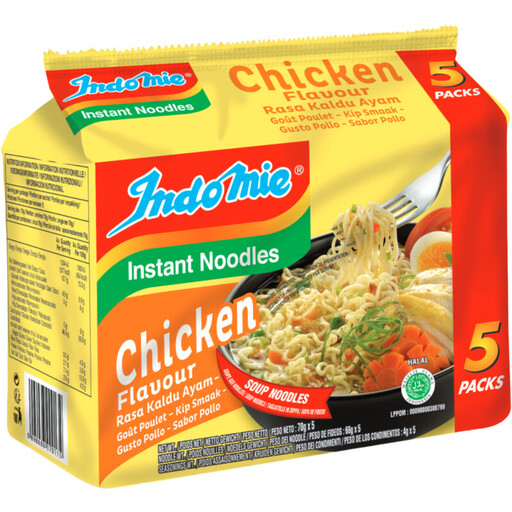
Why this fits the profile: A pack of five sachets is a manageable way to try a classic chicken variant without committing to a large stock.
The gram weight and number of servings are clearly stated. However, always check the current allergen and nutritional information on the packaging before purchase.
70 g per sachet, five individual servings and a preparation that, according to the product information, is quick and simple.
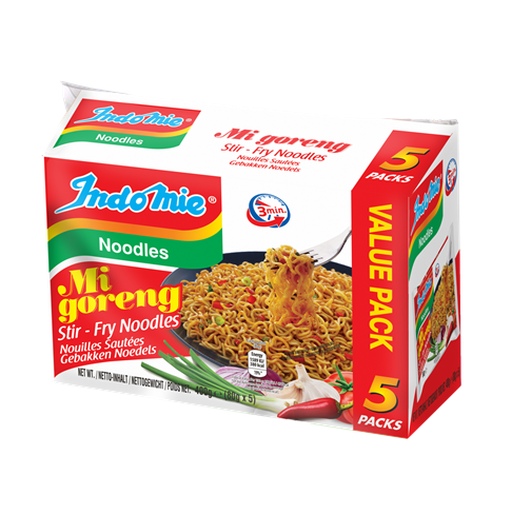
Why this fits the profile: Ideal for anyone looking for an Indonesian dry noodle preparation with several separate flavour components.
The product information makes it clear that this is not a soup variant. So you know in advance that draining and mixing are part of the preparation.
80 g per serving, five sachets and a blend with sweet soy sauce, seasoned oil, spices and chilli.
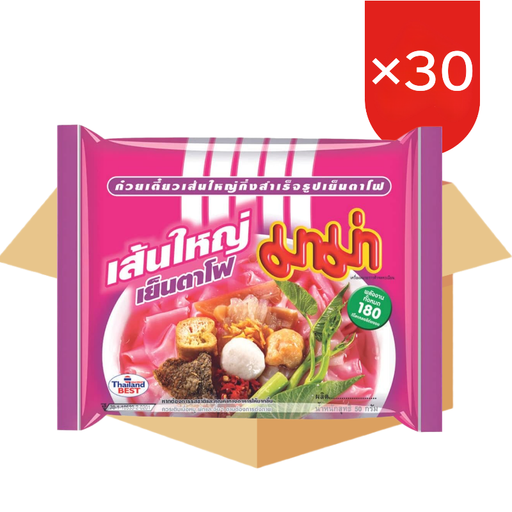
Why this fits the profile: The box of 30 servings suits frequent users, stock management and small-scale catering or retail applications.
The number of sachets and the weight per sachet are clear upfront. This packaging minimises surprises when planning your stock.
30 servings of 50 g each, flat rice noodles and a preparation time of around 2 to 3 minutes according to the product information.
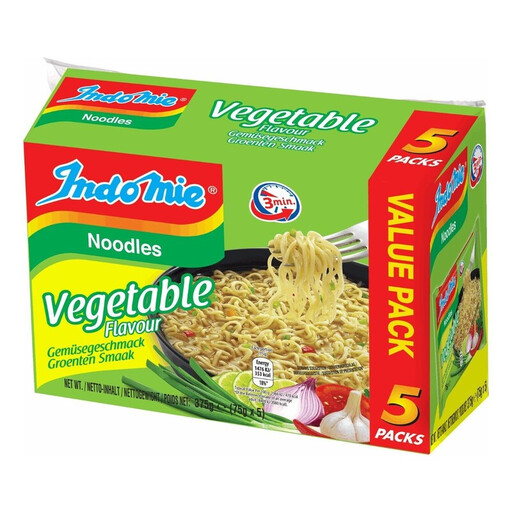
Why this fits the profile: A plant-based flavour direction is available in a five-pack, but checking the current label remains important for vegetarians.
The product description states a vegetable flavour, but check for yourself whether the ingredients match your vegetarian requirements.
Five servings of 75 g each and separate seasoning and oil packets according to the product information.
We've put together a full, up-to-date list of products that fully meet these strict selection criteria and comply with current European safety regulations.
The best-before date is on the packaging. Store unopened sachets in a cool, dry place away from direct sunlight. With a bulk pack, also check that the sachets are intact. Don't use any product where the packaging is damaged or damp.
Follow the preparation instructions for each variant. Often you add around 300 to 400 ml of boiling water and leave the noodles to stand for 3 to 4 minutes. Other types need to be boiled first and then drained, such as some Mi Goreng noodles. Add the flavour sachets as stated on the label.
That depends on the portion size and your personal dietary choices. You can supplement the noodles with vegetables, egg, tofu or other ingredients. If you have allergies, always check the ingredients list and cross-contamination information on the current packaging.
