
Vandaag of morgen in huis

Kwaliteit gegarandeerd

Welkomstaanbiedingen ontgrendelen: GRATIS bezorging | Tot 80% korting | Gratis 30 dagen JoyPlus-proefperiode
Download de app
Asian instant noodles are a handy option for busy evenings, a quick lunch, or a store-cupboard staple that requires minimal preparation. However, products vary widely in preparation method, portion size, flavour and ingredients. A striking packet or a label claiming “authentic flavour” doesn’t always tell you what you’re actually getting.
When buying Asian instant noodles, watch out for these three common pitfalls:
First, decide whether you want a product that only needs hot water, a pan or a microwave. With many instant noodles, you need to drain them after a few minutes and then add oil, sauce and seasonings. This often gives a drier dish, such as Mi Goreng noodles, but does require a colander or a bowl with a draining opening.
The Yi Wan Wu Dong varieties with coconut curry and Thai fried rice noodles are described as suitable for the microwave. The instructions state a cooking time of 2 to 3 minutes at 700–800 watts, with around 20 ml of water. Always check that your microwave settings match those on the packet.
The base determines how your dish feels:
A product with just noodles, such as Hakubaku Yakisoba Noodle or Nature’s Best Harvest Udon Noodle, gives you more freedom to add your own sauce and toppings. A complete kit, like A’Kuan Xinjiang Stir-Fried Rice Noodles, includes sauce and dried vegetables according to the product information.
Compare the nutritional values per 100 grams, but also look at the net weight and number of portions. A 270-gram packet isn’t automatically one meal for one person. Conimex Wok Noodles at 248 grams is described on the product page as suitable for 3 to 4 people as a base for a stir-fry.
Also pay attention to the sauce sachets. Indomie Mi Goreng at 80 grams lists wheat, soya and sesame as allergens on the product page, along with 2.3 grams of salt per 100 grams. The exact values can vary by variant. Yi Wan Wu Dong lists gluten, soya, peanut and sesame among others. So always read the most recent packaging before ordering or eating.
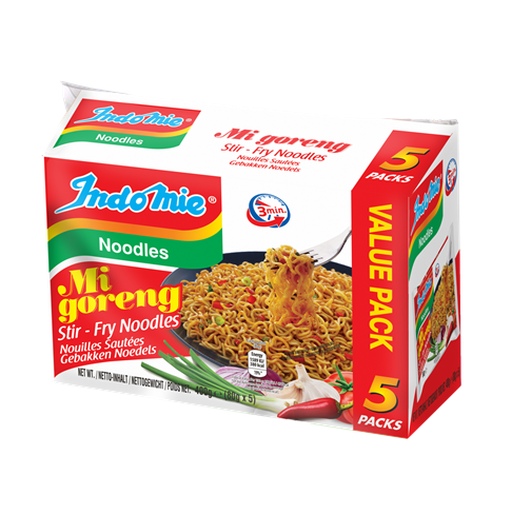
Why this fits the profile: A multi-pack with five portions is practical for anyone wanting to try instant noodles or stock up on quick meals.
The product description mentions a complete mix of noodles, oil, seasonings, sweet soya sauce and chilli. So you don’t need to put together a separate sauce.
Dry-served Mi Goreng style; five 80-gram sachets; cook, drain and mix with the included flavourings.
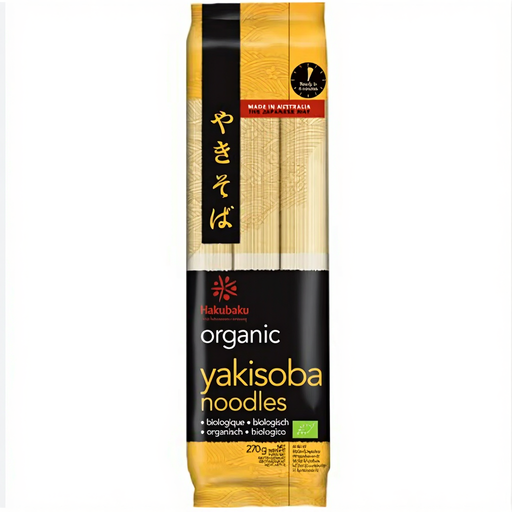
Why this fits the profile: Ideal for those who prefer to choose their own sauce, vegetables and protein for a Japanese-inspired stir-fry.
The base contains no pre-mixed flavour sachets. This means you control the amount of sauce and avoid a pre-selected flavour that might not suit your dish.
270 grams; described as suitable for stir-frying; wheat-based with a firm texture.
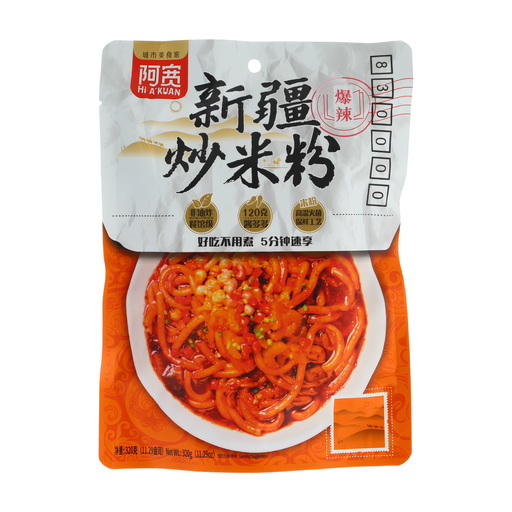
Why this fits the profile: For fans of a larger pack, rice noodles and a bold sauce with a chilli kick.
The product information clearly states that cooking is required and that rice noodles, sauce and vegetables are included in the kit. This makes the preparation easy to plan in advance.
320 grams; rice noodles; complete kit with vegetables and sauce; according to the label, allergens include lupin, wheat, soya and celery.
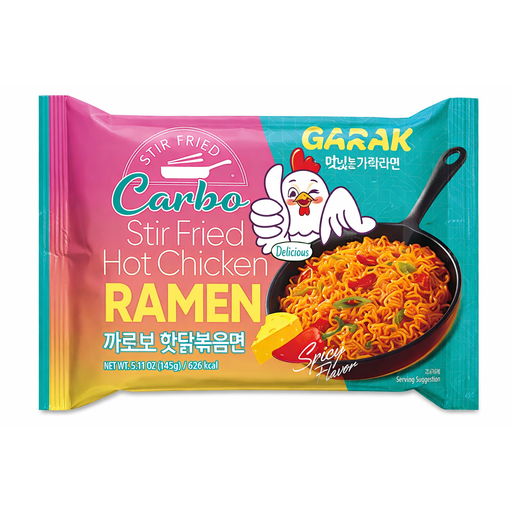
Why this fits the profile: The product description combines a spicy hot chicken flavour with a creamy cheese and butter taste.
The ingredients list includes habanero chilli, soya and sesame. Anyone sensitive to heat or allergens can check this beforehand.
145 grams; ramen noodles in stir-fry style; separate creamy Carbo seasoning; wheat, soya and sesame are listed as present allergens.
We’ve put together a full, up-to-date list of products that fully meet these strict selection criteria and comply with current European safety regulations.
A sachet of noodles is usually a base, not a complete dish. Try adding pak choi, carrot, spring onion, mushrooms, an egg, tofu or leftover chicken. With neutral wok noodles, you can make your own sauce using soya sauce, rice vinegar and sesame oil. With spicy noodles, start with part of the sauce sachet and add more later.
Store unopened products according to the instructions on the packet, usually in a dry place away from heat and direct sunlight. Eat prepared noodles straight away. For opened packets, check the stated storage time.
It varies by product. Some ramen noodles and Mi Goreng noodles are prepared with boiling water, then drained and mixed with seasonings. Other products require boiling in a pan or 2 to 3 minutes in the microwave. Follow the preparation instructions on the packet.
Yes, they’re practical as a base for a quick meal. For more variety, you can add vegetables, egg, tofu or meat. However, check the portion size, salt content and allergens before choosing a product.
Wok noodles are generally a versatile wheat base for stir-fry dishes. Udon noodles are thicker and firmer. Yakisoba noodles are specifically designed for Japanese stir-fry dishes. The right choice depends on the texture, preparation and sauce you want.
