
Vandaag of morgen in huis

Kwaliteit gegarandeerd

Welkomstaanbiedingen ontgrendelen: GRATIS bezorging | Tot 80% korting | Gratis 30 dagen JoyPlus-proefperiode
Download de app
A quick bowl of noodles is handy for lunch, dinner, a late-night snack or as a store-cupboard staple. However, Asian instant noodles vary widely in preparation, spiciness, portion size and ingredients. A striking packet doesn't always tell you what you're getting.
Three common pitfalls to watch out for:
Confusing heat with flavour
Korean ramen and Samyang Buldak noodles can be intensely hot. If you're after a creamy, salty or spicy flavour, you might be disappointed when the chilli takes over.
Buying a multipack without checking the portion size
Five packets of 130g or 140g are quite different from cups weighing 65g to 92g. A cup is practical for one light meal or snack, whereas a larger bag suits a more generous portion.
Skipping allergens and nutritional information
Many instant ramen contain wheat, soya, milk or sesame. The salt or sodium content can also vary significantly between products. Always check the label on the packaging you receive. Product information and packaging can change.
Not every noodle is designed for the same cooking method.
So, think about whether you want to make a soup, dry noodles, a stir-fry or a cold noodle dish. Paldo Bibim Men, for example, is boiled, rinsed in cold water and eaten without soup.
For one quick Asian meal, portions of around 100g to 140g are typical. A cup of 65g to 92g is more compact and often only needs hot water. That's handy at the office, when travelling or if you have limited cooking equipment.
A noodle multipack is worth considering if you eat noodles regularly. Pay attention to the total weight and number of portions, not just the discount or the size of the box. A pack of five 130g bags is practical for stocking up, while a box of forty packs is better suited to heavy use, shared households or larger supplies.
The term "spicy" doesn't indicate a uniform scale. One person might find Ottogi Jin Ramen Spicy pleasantly warming, while another finds Samyang Buldak or Paldo Volcano much hotter. If in doubt, start with a smaller pack or don't use all the sauce at once.
Check before you buy:
According to the product information from the brands or suppliers, ingredients, labels and packaging can change. Always use the current product packaging as your guide.
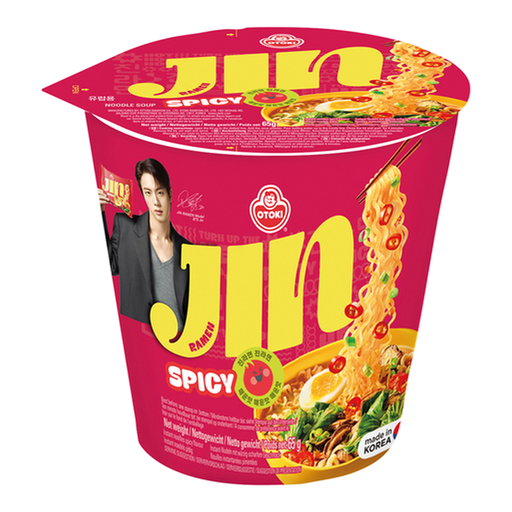
Why this fits the profile: The cup format is straightforward and ideal for a quick lunch or snack. You buy a single portion without committing to a large stock.
The 65g weight and cup packaging make the portion clear. Do check the sodium content and the mention of wheat and possible traces.
Cup for hot water, 65g per portion and a stated preparation time for a quick meal.
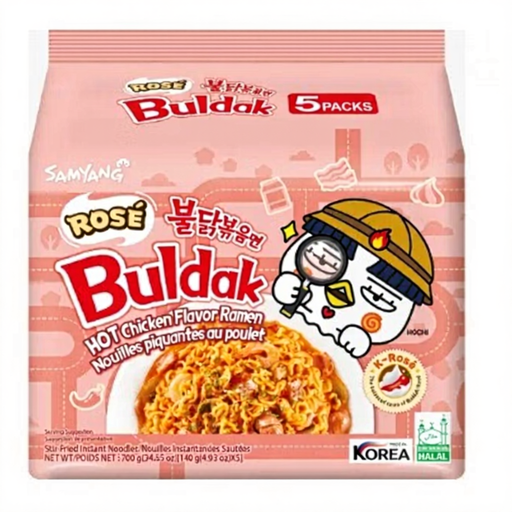
Why this fits the profile: This multipack is aimed at fans of a creamy, spicy sauce and offers five 140g portions.
The product information explicitly lists milk, soya and wheat. This means you can compare allergens in advance rather than relying solely on the flavour name.
Five 140g bags, creamy flavour according to the product description and suitable toppings such as cheese and vegetables.
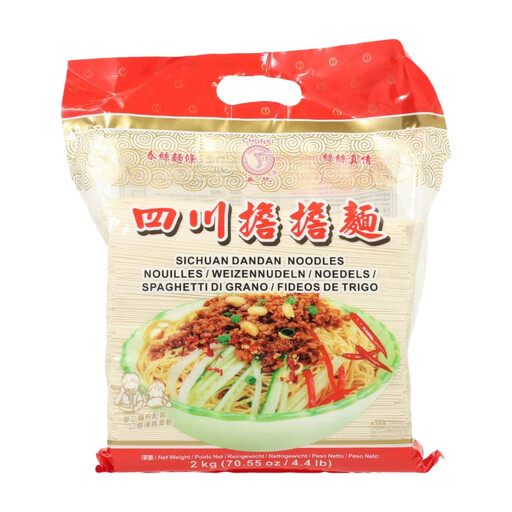
Why this fits the profile: These dry wheat noodles are intended for making your own Dan Dan noodles with sauce, minced meat, peanuts and spring onion.
You're not paying for individual sachets of seasoning if you want to make your own sauce. The packaging clearly lists wheat as an allergen.
Large 2kg pack, firm texture according to the product description and suitable for Dan Dan, soup and stir-fry dishes.
We've put together a full, up-to-date list of products that fully meet these strict selection criteria and comply with current European safety regulations.
Follow the time on the packet and use plenty of boiling water. For dry spicy noodles, you usually drain most of the cooking water before adding the sauce. For cold dishes like Bibim Men, rinse the noodles under cold water after cooking and drain them well.
Check the best-before date on the packaging. Store unopened dry noodles in a cool, dry place away from direct sunlight. Once opened, the pack should be sealed tightly. Do not use any product where the packaging is damaged.
That depends on the portion size and what you add to them. Instant noodles often consist mainly of noodles and a seasoning mix. Add vegetables, tofu, egg or another source of protein if you want to make a more substantial dish. If you have allergies, always check the ingredients list and possible cross-contamination on the label.
