
Vandaag of morgen in huis

Kwaliteit gegarandeerd

Welkomstaanbiedingen ontgrendelen: GRATIS bezorging | Tot 80% korting | Gratis 30 dagen JoyPlus-proefperiode
Download de app
A pack of Asian instant noodles might seem simple to choose: pick a flavour, boil some water and you’re done. Yet Chinese instant noodles, Korean ramen, Japanese noodles and rice noodles differ greatly in preparation, portion size and ingredients. If you rely only on the packaging or words like “authentic”, you could end up with a product that’s too spicy, has few toppings, or doesn’t suit the time you have available.
These pointers will help you make a more informed choice.
Brands often use terms like authentic, regional or street-food style as product descriptions. That’s not an objective quality standard. Instead, be sure to check:
According to the product description, Luobawang Luosi Noodles, for example, has a soup base with river snail ingredients and eight separate sachets. That gives a very different flavour profile to a simple instant noodle soup with just one powder sachet.
A bulk pack can be handy for student houses, families or food service, but pay attention to the content per portion. A 2 kg pack doesn’t always contain individually wrapped portions. With dry noodles, you’ll also need to add your own sauce, broth and toppings.
A multi-pack of five cups or bags is more practical for stock management, whereas a 2 kg bag gives you more freedom with portion sizes and recipes.
Spicy noodles can contain chilli oil, Sichuan pepper or several spicy seasonings. On some products, the heat level isn’t clearly stated on the front. So check the ingredients list. Also look at the salt content per 100 grams and per portion. The prepared meal can contain extra salt if you add soy sauce, broth or pickled vegetables.
The type of noodle determines the texture and how it’s used:
Pay attention to the cooking time. Some cups are ready after three minutes of steeping, while dry noodles need to be boiled for four to eight minutes first.
Check how many sachets are in the pack and what they contain. A product with separate oil, sauce, vegetable and seasoning sachets gives you more control over the flavour. You can, for example, use only part of the chilli oil.
With an instant noodle soup, dried vegetables may be present, but the quantity is limited. Feel free to add egg, pak choi, spring onion, tofu or leftover chicken. This changes the nutritional value and preparation, so treat such additions as extras and not as part of the original product information.
Many Asian instant noodles contain wheat, soya and sesame. Some products also contain peanut, egg, fish, shellfish or mustard. Always read the label on the pack, as recipes can change.
The nutritional values in this selection are usually given per 100 grams. Compare that data with the actual portion weight. A 240 g portion isn’t directly comparable to a 110 g cup.
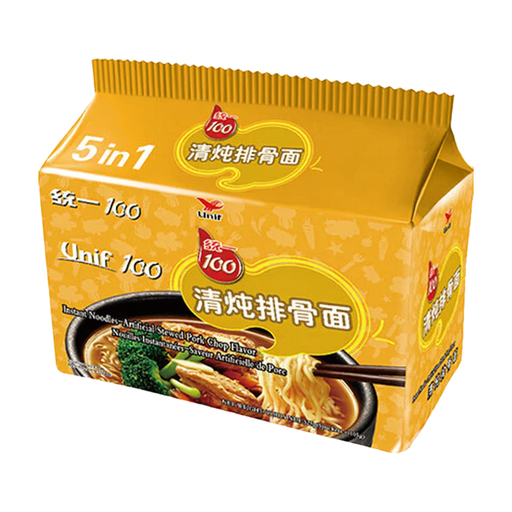
Why this fits the profile: The five individual bags are practical for stocking up in a student room, office or small household. The described lightly savoury pork rib soup is approachable for anyone wanting to try Chinese instant noodles.
The portions are clearly packaged and the product lists wheat and soya as allergens. That means you don’t have to weigh out a large bag yourself.
Five portions of 105 g; ready in minutes; savoury soup base.
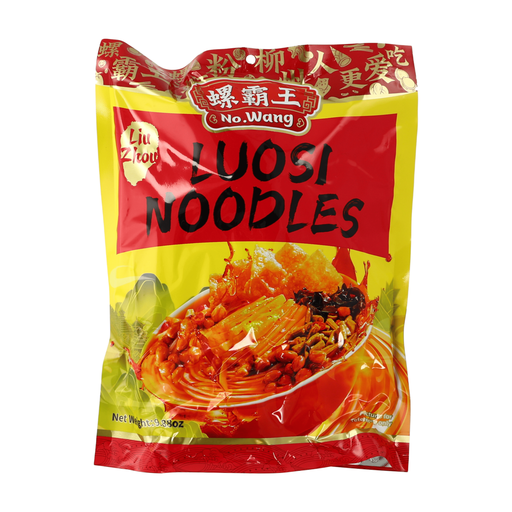
Why this fits the profile: If you’re after regional Chinese flavours, according to the product description this comes with an extensive set of eight separate ingredient packs and a luosifen-style soup base.
The flavour doesn’t rely on a single vague powder sachet: soup, chilli oil, vinegar, bamboo shoots, peanuts and vegetables are all packed separately.
Rice noodles; around five minutes’ preparation; eight ingredient packs; contains wheat, soya, peanut and shellfish among others.
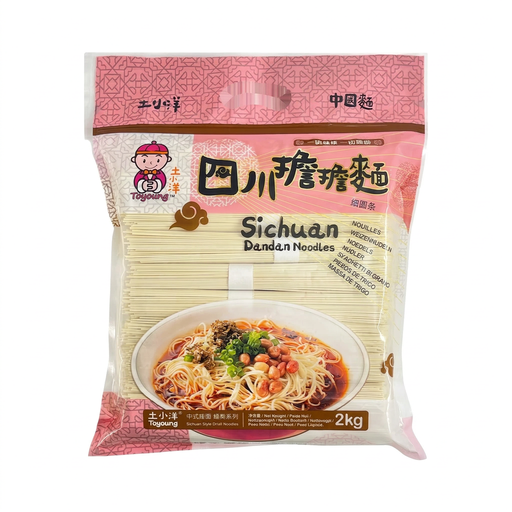
Why this fits the profile: This large pack is intended for households, parties and food service. You can use the noodles for Dan Dan noodles, stir-fries, soup or cold salads.
The ingredients list is short: wheat flour, water and salt. You choose the sauce and toppings yourself, so you can adjust the spiciness and portions.
2 kg content; suitable for multiple cooking methods; 10 g protein per 100 g according to the product information.
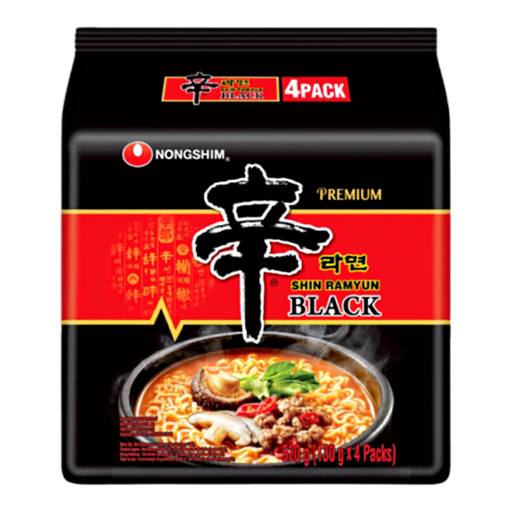
Why this fits the profile: The four individual packs are ideal for anyone who wants to keep Korean ramen with a spicy broth in stock without buying a bulk pack straight away.
The product information lists the main allergens, including wheat, egg, sesame, soya, fish and shellfish. That makes checking before purchase much easier.
Four portions of 130 g; spicy soup style; origin South Korea according to the product information.
We’ve put together a full, up-to-date list of products that fully meet these strict selection criteria and comply with current European safety regulations.
Yes, they are designed for a short preparation time. However, the nutritional value and composition vary from product to product. So check the portion size, salt content and ingredients. Feel free to add vegetables or an egg if you want to make the meal more substantial.
Chinese instant noodles cover many regional styles, such as Sichuan noodles, Dan Dan noodles, Lanzhou noodles and luosifen. Korean ramen is often focused on a bold, spicy soup base. The differences lie mainly in noodle texture, seasonings, toppings and preparation method.
Always check the best-before date on the pack. Store unopened products in a dry, cool place away from direct sunlight. Once opened, seal loose noodles and flavour sachets well; if in doubt, follow the manufacturer’s instructions.
