
Vandaag of morgen in huis

Kwaliteit gegarandeerd

Welkomstaanbiedingen ontgrendelen: GRATIS bezorging | Tot 80% korting | Gratis 30 dagen JoyPlus-proefperiode
Download de app
Asian instant noodles are handy for a quick meal, a late-night snack, or a store cupboard that always has something simple on offer. Yet Chinese instant noodles, Korean ramen, Japanese instant noodles and rice noodles differ greatly in flavour, preparation and nutritional values.
A striking packet doesn’t always tell the full story. If you only look at flavour names like “beef”, “spicy” or “authentic”, you could end up buying a product that doesn’t suit your personal taste or kitchen. With these checkpoints, you can make a more informed choice.
“Spicy” can refer to chilli, Sichuan pepper, chilli oil or a combination of these. Sichuan noodles, for example, often give a tingling or numbing sensation in the mouth thanks to Sichuan pepper. Korean ramen tends to focus more on chilli and a robust broth.
So check the ingredients and any separate sachets. With some products, you can use the chilli oil partially, which gives you more control over the flavour.
A multi-pack or box of 12 pots is practical for student houses, families or stock management. But also look at the net weight per serving, the best-before date and the storage space. A large pack is less convenient if you want to try a flavour for the first time.
Also pay attention to the difference between a sachet, a pot and a multi-pack. A noodle cup is ideal for work or on the go, while a sachet often offers more flexibility when cooking.
“Soba” traditionally refers to Japanese buckwheat noodles, but some instant soba products are entirely or largely wheat-based. “Beef flavour” also doesn’t automatically mean there are pieces of beef in it. The flavour may come from beef extract, flavouring or seasoned broth.
Always read the ingredients list, allergen information and preparation instructions on the packet. Product information and packaging can change; the current labelling is what counts.
The noodle largely determines the eating experience:
Also look at the preparation method. Some products can be mixed straight away, while others need to soak or cook for 3 to 6 minutes.
A product with several sachets often gives you more control over the flavour. Pay attention to the instructions:
The A Kuan Red Oil Broad Noodle, for example, requires 5 to 6 minutes of soaking, then draining and mixing. With soup noodles, the cooking water remains part of the dish. The right preparation method prevents a watery sauce or noodles that are too soft.
Many instant noodles contain wheat and soya. Other possible allergens include peanut, sesame, milk, mustard, egg, fish or shellfish. Check the packet if you have allergies or intolerances.
Also compare the values per 100 grams. In the product information, energy, fat and salt vary widely. For instance, Jin Mai Lang Premium Braised Beef Flavor lists 6.2 grams of salt per 100 grams, while Paldo Gompaghetti lists 1.0 gram. These figures are only comparable if you use the same reference and check the current packaging.
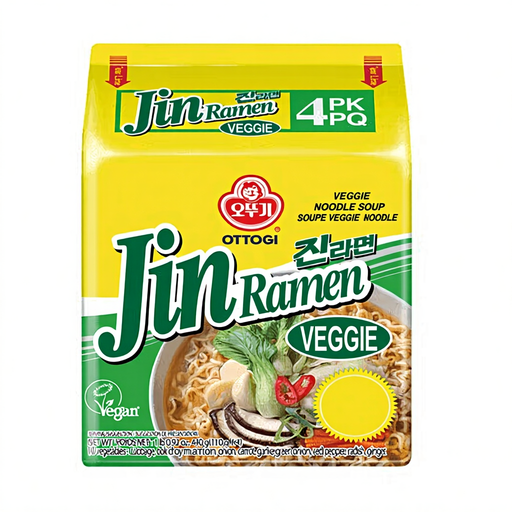
Why this fits the profile: A multi-pack with four servings is practical when you want to try Korean ramen without buying a large box straight away.
The serving size and packaging are clearly stated. Do check the allergens: the product contains wheat and soya, among other things.
Four individual servings, dried vegetables and a preparation method suitable for a quick lunch or evening meal.
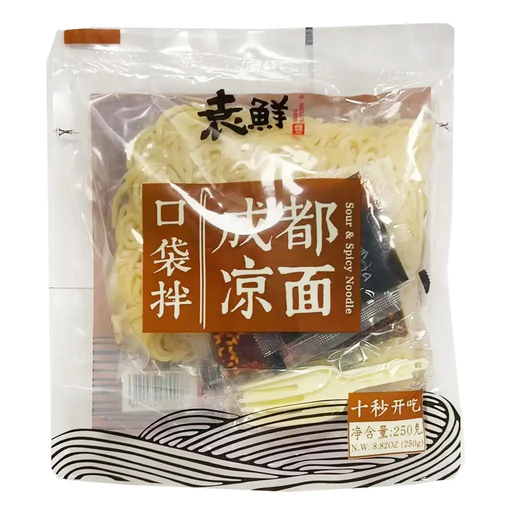
Why this fits the profile: For those seeking a specific regional flavour rather than a standard noodle soup.
The preparation isn’t a generic soup: the pre-cooked noodles are mixed with sauce and toppings. According to the product description, the flavour includes chilli oil, vinegar and Sichuan pepper.
Ready-to-eat preparation, 250 gram content and a distinctive Chengdu style with peanut and sesame. These allergens are important to check in advance.
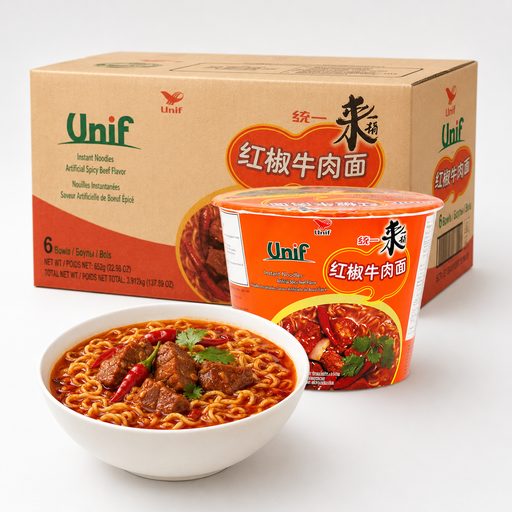
Why this fits the profile: A box of twelve noodle cups is suitable for regular eaters, shared use or stocking up the office.
The packaging makes the number of servings and total weight clear. According to the ingredients list, the flavour contains chilli and Sichuan pepper; be aware of the heat level.
Twelve pots of 110 grams, quick preparation and a beef flavour with dehydrated vegetables.
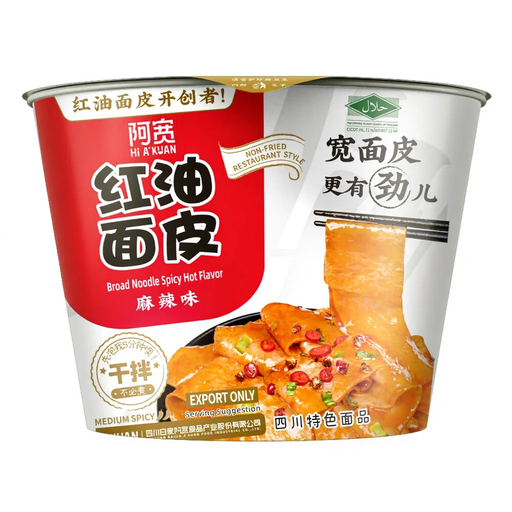
Why this fits the profile: For eaters who prefer a firm texture and a Sichuan-inspired sauce over a classic broth.
The noodles are not fried according to the product description and are drained after soaking. This makes the preparation method clearly different from instant ramen with soup.
Broad, elastic wheat noodles, separate sachets of sauce, oil, vinegar and vegetables, and a preparation time of around 5 to 6 minutes.
We’ve put together a full, up-to-date list of products that fully meet these strict selection criteria and comply with current European safety regulations.
A quick Asian meal doesn’t have to consist of just noodles and seasoning. Add, for example, pak choi, spring onions, mushrooms, sweetcorn, a boiled egg or tofu. With dry noodles like A Kuan, sesame, peanuts or extra vegetables also work well, as long as you keep existing allergens in mind.
For a lighter base, you can choose Farmer Brand rice noodles or Go-Tan vermicelli and add your own broth or stir-fry sauce. If convenience is your priority, go for a noodle cup or an instant noodles multi-pack with individual servings.
Many noodle cups and sachet products can be prepared with boiling water. Fill to the indicated line or use the amount stated on the label, cover and wait the specified time. With some products, you then need to drain the water. Always follow the instructions for the specific product.
The best-before date is on the packaging. Store unopened products in a cool, dry place, away from direct sunlight and moisture. Pay extra attention to products with a short best-before period. Do not use damaged packaging and consume prepared noodles immediately.
That depends on personal taste and the ingredients. Chilli, Sichuan pepper, chilli oil and spices can vary greatly from product to product. Also check for allergens such as wheat, soya, peanut, sesame and milk. Start with part of the sauce or oil sachet and add more later if you like.
