
Vandaag of morgen in huis

Kwaliteit gegarandeerd

Welkomstaanbiedingen ontgrendelen: GRATIS bezorging | Tot 80% korting | Gratis 30 dagen JoyPlus-proefperiode
Download de app
A quick bowl of noodles or soup is handy for busy workdays, student evenings, the office, travel, and stocking up your kitchen cupboard. Yet an attractive packet can hide important information. With Asian instant noodles and soup, things often go wrong due to an unclear portion size, a higher salt content than expected, or a preparation method that doesn’t suit your situation.
With this buying guide, you can compare flavour, ingredients, preparation and ease of use based on verifiable product information. This makes it easier to find instant noodles, Japanese miso soup, hotpot soup base or a suitable electric hotpot.
Some products are suitable for a bowl and boiling water, while others need to be cooked in a pan first. For example, Hefu Hot & Sour Thick Soup requires the noodles to be boiled for 2 to 3 minutes, and the unopened soup sachet is heated separately. A hotpot base isn’t ready-to-eat either: according to the product information, the Si Dun Tianshui base needs to be dissolved in 1.5 to 2 litres of boiling water or stock.
So check before you buy:
“Spicy beef noodles”, “mala” and “miso” are flavour descriptions, not a guarantee of a particular composition. Ingredients such as wheat, soya, sesame, peanut, fish, celery and sulphites are common in this category.
For example, Baixiang Halal Spicy Beef Noodle Soup lists wheat and soya as allergens. Hikari Instant Miso Soup Enjuku Tofu contains soya and fish, due to the addition of bonito. Always check the actual packaging, especially if you have an allergy, intolerance or follow a halal diet. A halal claim must come from the product information or certification; a beef flavour alone is not sufficient.
A box of 12 portions is practical for stocking up, but pay attention to the weight per portion, the shelf life and your actual consumption. Many instant noodles contain around 400 to 455 kcal per 100g and several grams of salt. The exact value varies by recipe and preparation method.
So compare price per portion, not just the total price. A multi-pack makes sense mainly if you regularly eat the same flavour or are stocking up for several people.
For a quick Asian meal without a kitchen, cup noodles or sachets with a short soaking time are practical. According to the product information, Baixiang Tanghaohe Instant Noodles are prepared with around 500ml of boiling water and a resting time of 3 to 5 minutes. For the office or travel, this is simpler than a product that requires a pan.
Also pay attention to the net weight. A sachet of 88g, a meal pack of 170g and a hotpot of over 400g are not directly comparable.
Read the allergen list separately from the ingredients list. Look out for:
S&B Tofu Soup 30G contains soya and comes in three sachets of 10g. Saitaku Miso Soup consists of four portions of 22g and lists soya and wheat. According to the product information, Saitaku is suitable for vegetarians; always check the label and current product details for specific dietary requirements.
Spicy instant noodles can range from mildly seasoned to strongly chilli and Sichuan pepper-based. “Mala” usually refers to a combination of spiciness and a tingling effect from Sichuan pepper, but the intensity varies by product.
You can sometimes adjust the amount of soup base or chilli oil. For example, the Shoo Loong Kan self-heating hotpot states that you can dose the amount of base to taste. Also look at the salt content per 100g. This helps with a fair comparison between Chinese instant noodles, Korean noodles and Japanese miso soup.
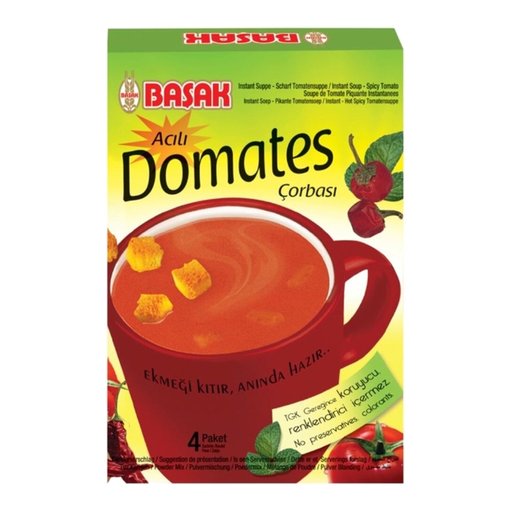
Why this fits the profile: Four individual sachets of 22g are handy if you want to try a small stock of Asian soup first.
The portion packaging makes quantity and use clear. However, note the storage instruction on the packaging; the product information states refrigerated storage.
Four sachets; instant preparation; according to the product information, free from the 14 main EU allergens.
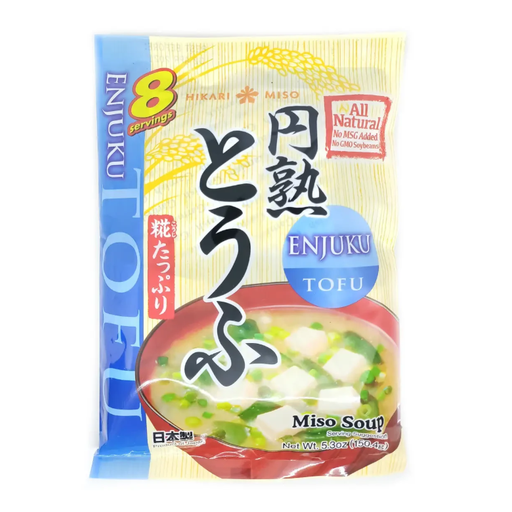
Why this fits the profile: Suitable for fans of Japanese miso soup with tofu and a clear ingredients list.
The product information explicitly mentions soya and bonito. This makes it easier to rule out if you have a soya or fish allergy.
Miso with tofu; dry storage; portion weight of 150.4g.
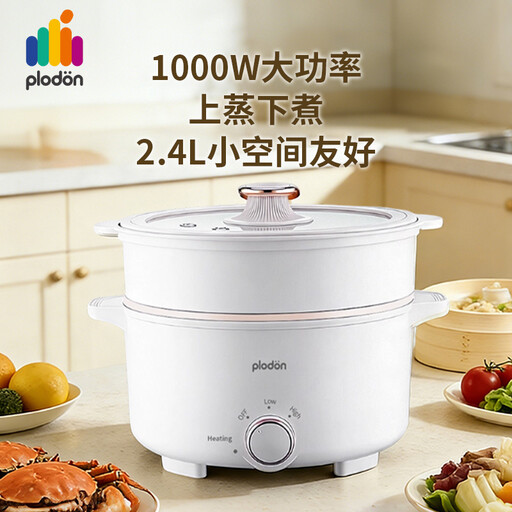
Why this fits the profile: Handy for small households, students and anyone who regularly makes ramen, soup or hotpot without a large cooking pan.
The 2.4-litre capacity and compact size are clear upfront. This helps you know whether the appliance suits your worktop and household.
1000 watts; two heat settings; 2.4-litre capacity; removable steamer.
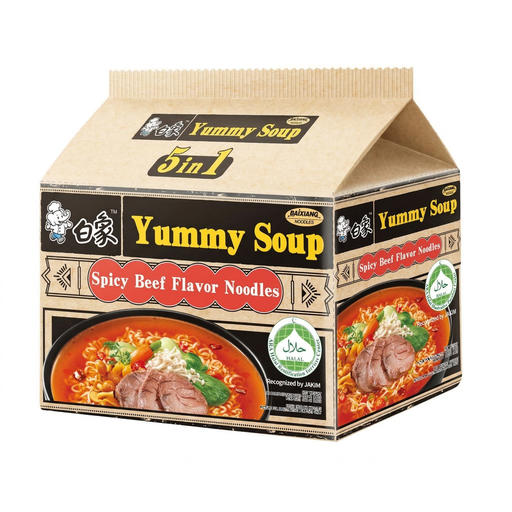
Why this fits the profile: A five-pack with halal designation for home, office or on the go.
The product name and information mention halal. Still check the packaging and any certification details before purchase.
Five individual portions; prepared with boiling water; allergen information lists wheat and soya.
We’ve put together a full, up-to-date list of products that fully meet these strict selection criteria and current European safety regulations.
Choose a product that clearly states boiling water is sufficient. Use the specified amount of water and stick to the recommended resting time. An electric hotpot can be an alternative for products that need to be boiled, but place the appliance on a stable surface, do not fill it above the indicated limit and let it cool down before cleaning.
Unopened instant noodles and dry soup are generally intended for storage in a cool, dry place, but the exact instructions vary by product. Always check the date and storage conditions on the packaging. A product with a different instruction, such as refrigerated storage, should not be treated as ordinary dry goods.
That depends on the specific product. Look for an explicit halal designation and check ingredients, allergens and certification information. “Beef flavour” on its own is not a halal guarantee. Also consider soya, wheat, sesame and other allergens.
