
Vandaag of morgen in huis

Kwaliteit gegarandeerd

Welkomstaanbiedingen ontgrendelen: GRATIS bezorging | Tot 80% korting | Gratis 30 dagen JoyPlus-proefperiode
Download de app
Asian instant noodles are handy for a quick lunch, a simple dinner or stocking up your cupboard. Yet the packaging alone isn't always enough to make a good choice. A picture of a steaming bowl tells you little about the actual portion size, ingredients or amount of seasoning. Especially with multipacks, small differences in composition and preparation can make a big difference.
A box of 30 or 40 sachets might look like good value, but first check the weight per portion. A 55g sachet contains fewer noodles than a 90g or 104g portion. So compare the price per 100g, not just the price of the whole pack.
An instant noodle multipack is particularly practical when you already know the flavour, use enough stock, or are buying for several people. For a first purchase, a pack of five may be a wiser choice.
The flavour can come from spices, flavourings or a small amount of an ingredient. With Indomie Instant Noodle Shrimp Flavor, for example, artificial prawn flavouring is listed. So always check the ingredients list and allergen information, especially for shellfish, soya, gluten, celery, milk and sesame.
If you're looking for noodles with chicken, also pay attention to the preparation method. Some varieties contain chicken powder or chicken flavouring, but no actual pieces of chicken.
Spicy instant noodles may come with a separate chilli sachet, so you can control the amount yourself. That's different from a product where the chilli is already mixed into the seasoning. Also check the nutritional information on the label. In the product specifications provided, salt or sodium levels vary per product and per reference amount. So use the packaging as a guide and check whether the value is given per 100g or per portion.
A sachet of ramen is handy if you have a pan or bowl. A cup or bowl is more practical at the office, in a student room or on the go. Preparation times vary:
Check whether you only need boiling water or also a hob. That determines how convenient the product is for your situation.
The products in this category regularly contain wheat and gluten. In addition, soya, sesame, celery, egg, milk, shellfish and molluscs are present. According to the product information, Go-Tan Vermicelli Noodles are made from 85% mung bean starch and contain none of the 14 major EU allergens. However, the noodles themselves don't include a seasoning mix; you add your own flavourings.
If you're watching your salt intake, it's wise to check the table on the packaging and possibly use less seasoning or soup base. A product with a separate seasoning or chilli sachet gives you more control over that. Also check out our range of low-sodium noodles.
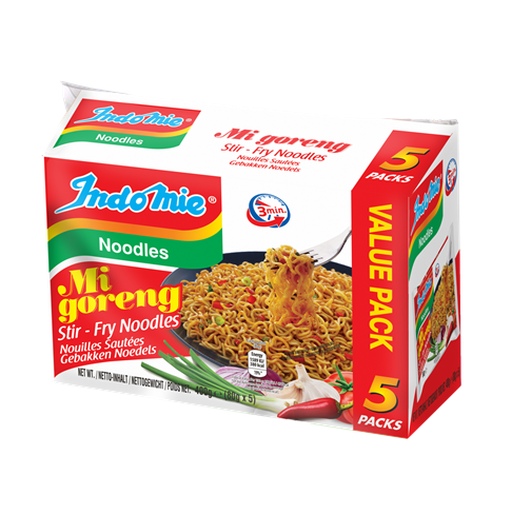
Why this fits the profile: A pack of five sachets is manageable for anyone wanting to try Mi Goreng noodles first without ordering a large box straight away.
The net weight is clearly stated as 5 × 80g. The seasoning, oil, sweet soy sauce and chilli are individually packed.
Dry preparation method, 80g per sachet and a separate chilli powder. According to the product specification, contains wheat, soya and sesame.
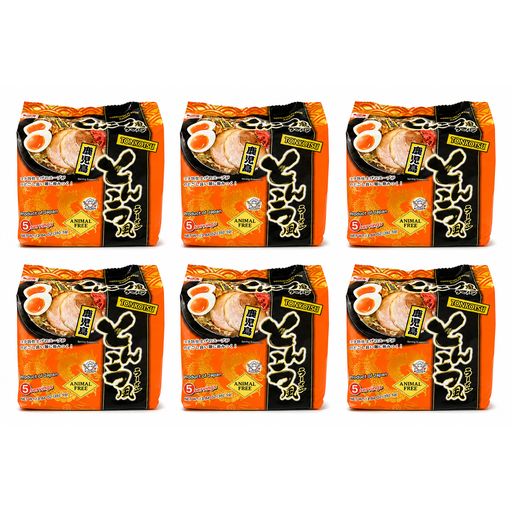
Why this fits the profile: These Japanese instant ramen come in a large multipack of 30 portions, ideal for households that eat ramen regularly.
The content per portion is listed as 78.5g and the pack contains 5 × 6 pieces. This makes the stock quantity clear in advance.
Wheat noodles with a separate soup mix, sesame and spring onion according to the ingredients list. Country of origin: Japan.
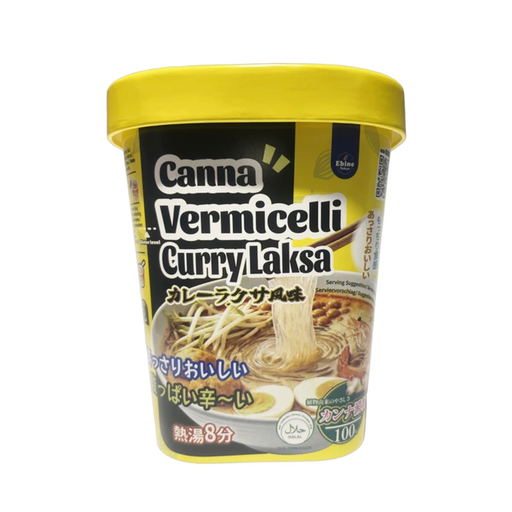
Why this fits the profile: The cup format and the combination of vermicelli, curry and separate chilli powder suit a quick meal without needing a pan.
The chilli is separate, so you can adjust the spiciness. The preparation time of 8 minutes is stated in the product specification.
100% tapioca starch in the vermicelli according to the product information. Contains milk, shellfish, molluscs and soya.
We've put together a full, up-to-date list of products that fully meet these strict selection criteria and comply with current European safety regulations.
The best-before date is on the outer packaging or on the individual sachet. Store instant noodles in a cool, dry place away from direct sunlight. Don't use a pack if a sachet is damaged or leaking. Once opened, prepare the product according to the instructions and consume it straight away.
No. The noodles themselves may be made from rice flour, but the seasoning mix or sauce can contain soya, wheat or other allergens. So check the full ingredients list and the allergen declaration. According to the product information, Go-Tan Vermicelli Noodles state that none of the 14 major EU allergens are present; still check the current label before purchasing.
Individual sachets are good for trying out a flavour. A multipack or box is usually more practical for families, heavy users and catering, but always compare price per 100g, portion size and best-before date. That way, you avoid ending up with a large pack sitting unused in your cupboard.
