
Vandaag of morgen in huis

Kwaliteit gegarandeerd

Welkomstaanbiedingen ontgrendelen: GRATIS bezorging | Tot 80% korting | Gratis 30 dagen JoyPlus-proefperiode
Download de app
Asian instant noodles are handy for a quick lunch, a late-night snack or a simple meal. Yet Korean ramen, Japanese udon and Chinese instant noodles differ greatly in flavour, portion size and preparation. A striking packet doesn’t always tell you everything about what you’re buying.
So pay particular attention to these common pitfalls:
Don’t just compare the number of sachets, but also the net weight per portion. Samyang Buldak Carbonara, for example, comes as 5 × 130 grams, while a cup variant contains 80 grams. A multipack is practical for stocking up, but a cup may be better suited to a smaller appetite or a meal on the go.
Also look at salt, energy and fat per portion. The nutritional values can vary considerably between products and flavours. For the Baijia A’KUAN Broad Noodle, for instance, 4.5 grams of salt per 100 grams is listed. For the Bai Xiang Halal Spicy Beef Noodle Soup, that’s 7.4 grams per 100 grams according to the product information. This makes it wise to compare the packaging and portion size side by side.
Check whether you need a pan, a bowl or just boiling water:
The term Korean ramen usually refers to firm, elastic wheat noodles with a powerful sauce or broth. Samyang Buldak noodles combine spicy sauce with variants such as carbonara, cheese or habanero-lime.
Japanese udon is thicker and milder in flavour. The SUKI Udon Noodle 200g × 6 consists, according to the product information, of wheat flour, water, cassava flour and salt, among other ingredients. The noodles are suitable for soup, stir-fries and hotpot. A slight sourness can be normal according to the description; rinsing before cooking can help.
With Chinese varieties, you’ll find different profiles, such as Sichuan chilli oil, mala or sour-spicy broth. “Mala” refers to a combination of spiciness and a tingling sensation from Sichuan pepper. With these products, check extra carefully for soya, peanuts and sesame.
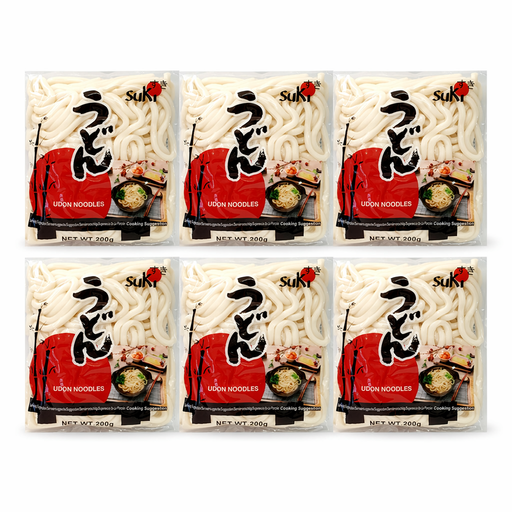
Why this fits the profile: Six packs of 200 grams are practical for students, families and anyone who wants to make their own soup, stir-fry noodles or hotpot.
The weight per pack is clearly stated. You’re buying dry udon without a pre-set flavour sachet, so you keep control over the broth, vegetables and toppings.
200 grams per pack; suitable for soup, stir-frying and hotpot; only wheat listed as an allergen.
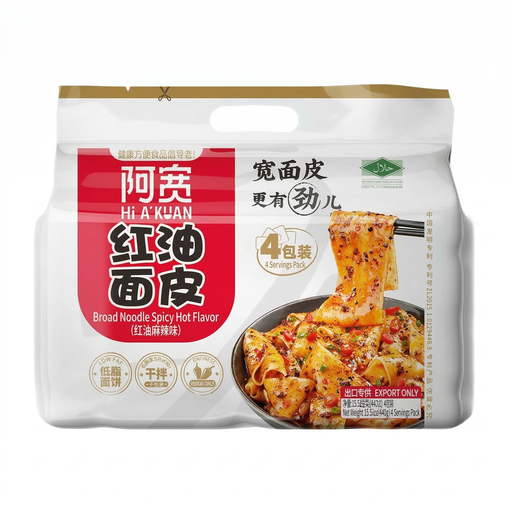
Why this fits the profile: The wide, chewy noodles and Sichuan-style chilli oil offer a clear texture and flavour profile for fans of Chinese instant noodles.
The preparation method is specific: soak for 5 to 6 minutes, drain the water and then add the sachets. This keeps the sauce concentrated.
440 grams per pack; wide noodles; chilli oil and Sichuan flavour; contains wheat and soya.

Why this fits the profile: A bulk pack with firm noodles, spicy sauce and carbonara powder for lovers of bold Korean ramen.
The number of portions and the weight per sachet are clear upfront. If you prefer less heat, you can use part of the sauce, but always check the ingredients.
10 portions of 130 grams; carbonara flavour; 423 kcal and 2.6 grams of salt per 100 grams according to the product information.
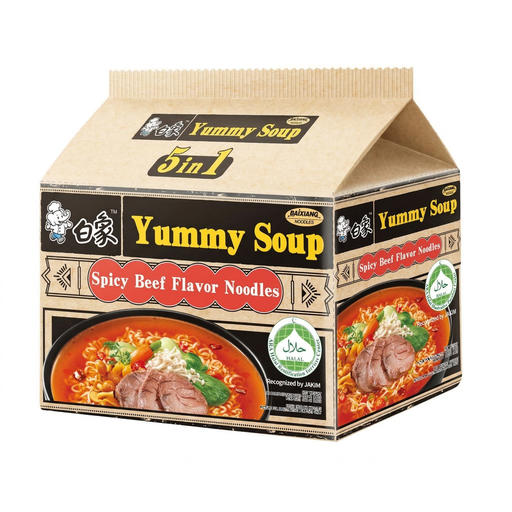
Why this fits the profile: The product name mentions halal and the pack contains five portions with a spicy beef flavour. Still check the actual packaging when it arrives.
The portion size, preparation time of 3 to 4 minutes and allergens such as wheat and soya are listed in the product information.
Five sachets; quick preparation; spicy beef flavour; product is labelled as halal.
We’ve put together a full, up-to-date list of products that fully meet these strict selection criteria and current European safety regulations.
Choose a product that states soaking with boiling water is sufficient. Put the noodles in a heatproof bowl, pour boiling water over them and leave for the stated time. Then drain the water if needed and add the seasoning or sauce. For a self-heating rice meal, only use the included instructions.
The best-before date is on the packaging. Store unopened products in a dry, cool place away from direct sunlight. Once opened or prepared, it’s best to eat instant noodles straight away. Also check cups and sachets for damaged packaging.
That depends on the portion size and your own eating pattern. A sachet of 130 or 140 grams can be more filling than an 80-gram cup, but check the nutritional values. You can add egg, tofu, vegetables or mushrooms if you like. Keep an eye on extra allergens and the total amount of salt.
