
Vandaag of morgen in huis

Kwaliteit gegarandeerd

Welkomstaanbiedingen ontgrendelen: GRATIS bezorging | Tot 80% korting | Gratis 30 dagen JoyPlus-proefperiode
Download de app
Fancy a quick bowl of noodles but can't see the wood for the trees with all the brands and flavour variations? Asian instant noodles from Thailand, Indonesia and Vietnam vary enormously. The packaging might show a flavour like "prawn", "tom yum" or "chicken" in big letters, while the product itself is mostly made up of spices, flavourings and a small amount of prawn or fish ingredients.
If you're looking to buy instant noodles with a clear goal, it's worth looking beyond the front of the packet. Pay close attention to portion size, preparation method, allergens and the number of sachets in a box.
"Shrimp flavour" or "prawn flavour" doesn't automatically mean there's a generous amount of prawn inside. Some products use prawn powder or flavouring. The ingredients list gives you a clearer picture than the product image.
For example: MAMA Creamy Shrimp Tom Yum lists 0.03% prawn powder according to the product information, while Yum Yum Tom Yum Shrimp lists 0.7% shrimp. That doesn't make the taste automatically better or worse, but it does help keep expectations realistic. If you have an allergy, always check the full label.
A box of 20, 30 or 40 sachets might seem practical for student houses, offices or food service. But the price per portion is what really matters. Check the total weight and the number of portions. A pack of 5 x 75g can be more suitable if you want to try a flavour first; a bulk pack of instant noodles works better when several people are eating the same variety.
Also keep an eye on the best-before date. Dried noodles have a long shelf life, but stocking up only makes sense if you'll use the portions before the date.
Many cup noodles are ready after a few minutes of steeping. Other products need to be boiled in water or drained afterwards. A difference of a few minutes might not matter much at home, but it's important in the office, when travelling or for catering.
Follow the preparation instructions on the packet. Use the recommended amount of water and add the seasoning sachets as directed. The information on the packet may differ from the online product description, so always read the actual label before use.
The thickness and texture vary by brand. Wheat noodles are generally firmer and richer in preparation; rice noodles have a different bite and absorb broth differently.
Look at the weight per sachet or cup. A portion of 55 to 65g is often smaller than a sachet of 75 to 90g. For a light snack that might be enough; as a meal, you might want to add vegetables, egg or tofu. That will of course change the nutritional value and preparation time.
Also check:
Many Asian instant noodles contain wheat and gluten. Other common allergens include soya, milk, egg, fish, shellfish, sesame, celery and peanuts. Indomie Mi Goreng, for example, lists gluten, soya and sesame. MAMA Shrimp Flavour lists wheat, soya and prawns. Uni-President Shrimp Fish lists shellfish, fish, soya, sesame, molluscs and milk, among others.
Compare the nutritional values per 100g and per portion. In the product data provided, the values for energy, fat and salt vary considerably. Some listings also appear to refer to the prepared product rather than the dry product. So use the table on the packet as your guide.
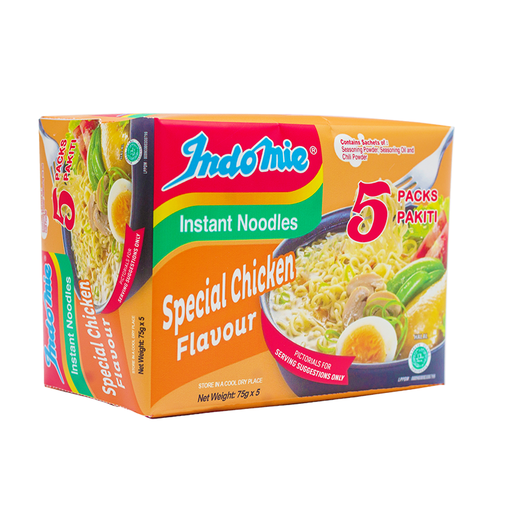
Why this fits the profile: A pack of five sachets is a manageable way to try Indonesian instant noodles for the first time and doesn't take up much storage space.
The small multipack reduces the risk of buying a large number of portions of a flavour that doesn't suit you.
5 x 75g, chicken variety and EU packaging according to the product listing.
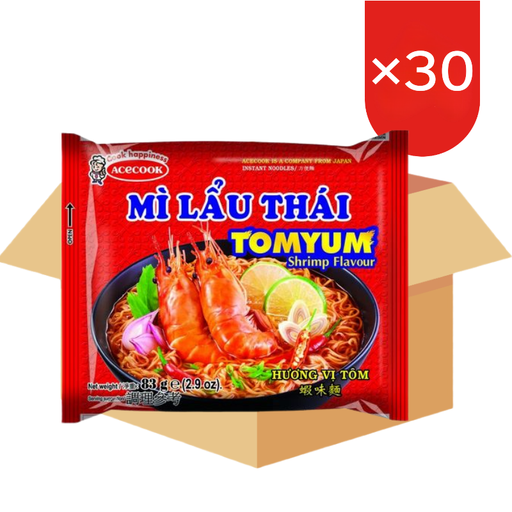
Why this fits the profile: This box is aimed at fans of Thai tom yum with a combination of chilli, lime and prawn flakes.
The product information explicitly lists the ingredients and allergens, so you can check the prawn and soya content.
30 portions of 83g; preparation with hot water in approximately 4 minutes.
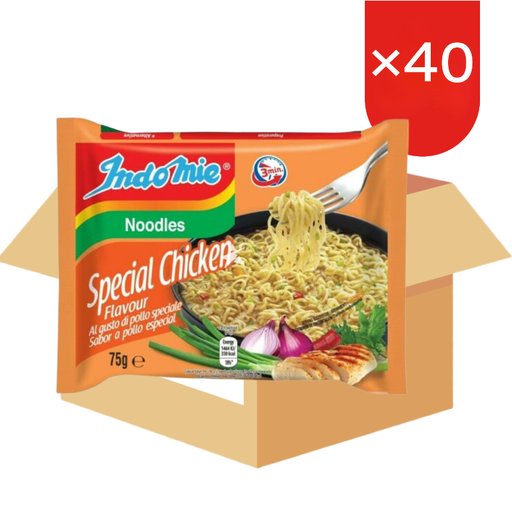
Why this fits the profile: A box of 40 portions suits offices, student houses, clubs and food service use with a consistent chicken variety.
The fixed number of portions makes stock planning easier than buying separate, different packs.
40 sachets of 75g, suitable for stocking up and portion-by-portion use.
We've put together a full, up-to-date list of products that fully meet these strict selection criteria and comply with current European safety regulations.
It varies by product. For cup noodles, you usually add boiling water and leave the noodles covered for a few minutes. Other varieties need to be boiled in a pan and sometimes drained, such as dry mi goreng noodles. Always check the instructions on the packet and be careful with hot water.
Check the date on the packet and store the noodles in a cool, dry place away from direct sunlight. Once opened, use the packet quickly and only if the sachet is undamaged. The shelf life can vary by brand and import version.
The price per portion depends on the brand, flavour, size and packaging. A multipack of 5 sachets is handy for trying out. For regular use, a box of 20, 30 or 40 portions can lower the price per portion, but always compare the weight and the best-before date.
