
Vandaag of morgen in huis

Kwaliteit gegarandeerd

Welkomstaanbiedingen ontgrendelen: GRATIS bezorging | Tot 80% korting | Gratis 30 dagen JoyPlus-proefperiode
Download de app
A pack of Asian instant noodles might seem simple to choose. Yet Korean ramen, Chinese instant noodles, Japanese noodles and Indonesian mi goreng differ greatly in preparation, portion size, flavour and allergens. Especially with multipack deals, it is not always immediately clear how many portions you get or whether the taste suits your preference.
This buying guide helps you compare marketing claims with verifiable product information. That way, you can make a more informed choice for a quick meal, a store-cupboard staple or a spicy snack.
A noodle multipack can contain five, ten, twenty or even forty individual packets. However, the net weight per pack varies by brand. For example, Ottogi Jin Ramen Mild contains 5 packets of 120 grams, whereas another multipack may have smaller portions.
Always compare:
A large box is especially practical if you eat instant ramen regularly. For a first try, a smaller multipack is often the wiser choice.
Spicy noodles can contain a broth, a dry sauce, chilli oil or a creamy seasoning mix. Buldak Carbonara from Samyang, according to the product description, combines a spicy chicken-style flavour with a carbonara-style powder mix. That is quite different from a classic Korean ramen with a soup base.
Pay attention to the preparation method:
So a product can turn out differently than you expect if you only look at the front of the packet.
Many instant noodles contain wheat and soya. Other products also list milk, sesame, peanuts, shellfish, fish, celery or mustard. The composition can vary between variants, even within the same brand.
Always read the label on the packet before purchasing and consuming. The online product information may, as stated, differ from the actual packaging. Also check the best-before date, preparation instructions and warnings.
Wheat noodles are common in Korean ramen, Chinese instant noodles and Indonesian mi goreng. Rice noodles, such as the A’Kuan Xinjiang Stir-Fried Rice Noodles, have a different texture and are soaked in boiling water or briefly cooked.
Don’t just look at “ready in minutes”; check:
The Samyang Buldak Hot Chicken Carbonara (130 grams) requires, according to the product information, about 550 ml of water, five minutes of boiling, mostly draining and then briefly mixing with the sachets.
For a broth, you might choose Nongshim Soon Veggie Ramyun or Nongshim Neoguri. The Soon Veggie variant contains, according to the listed ingredients, dried pak choi and carrot among others. Neoguri has a seafood profile and lists fish, prawns and molluscs.
For a dry, sweet-savoury taste, Indonesian mi goreng is a logical choice. The Indomie box contains 40 packets of 80 grams with sweet soy sauce, seasoning oil and chilli powder.
If you prefer to try a regional Chinese flavour, you could look at:
The nutritional values on product pages are usually per 100 grams. That is not automatically the same as one prepared bowl. Convert the values to the full packet when you want to compare.
Across different products, the salt content per 100 grams is relatively high. This applies, for example, to some Nongshim and Chinese noodle variants. This is not a reason to automatically rule out a product, but it is a point to consider in your daily choice.
Store unopened noodles according to the label in a cool, dry place, away from moisture and direct sunlight. Check the packaging for damage.
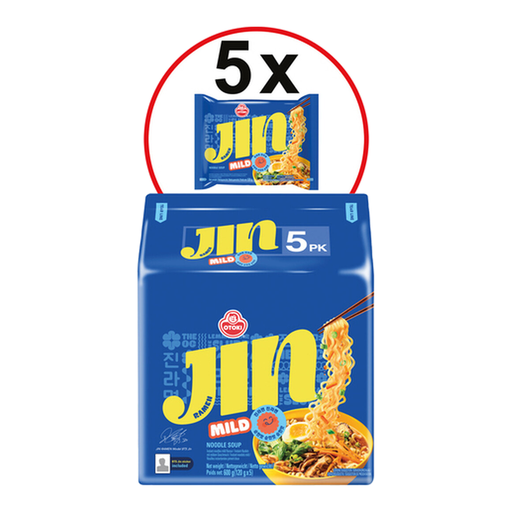
Why This Fits Their Persona: A multipack with five portions of 120 grams for students, small households and anyone who wants to try Korean ramen gently without buying a large box.
The variant is described as mild. Always check the current ingredient and allergen information on the packet.
Five individual packets of 120 grams; soup base with dried vegetables such as cabbage, carrot, spring onion and mushroom according to the product information.
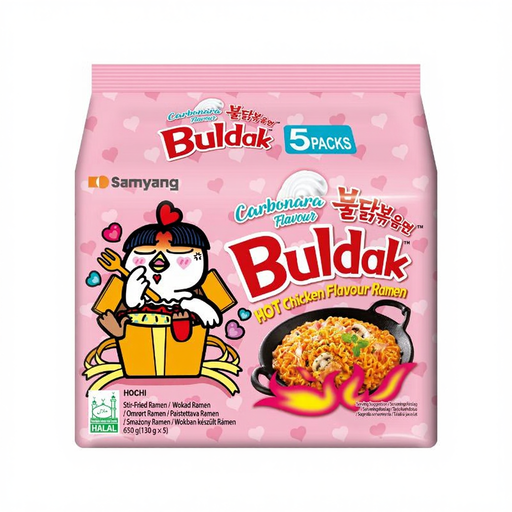
Why This Fits Their Persona: For fans of a bold combination of chilli, chicken-style flavour and a creamy carbonara-style sauce.
The preparation method explicitly states that you drain most of the water. This way, you won’t accidentally treat these dry-sauce noodles as soup.
Five portions of 130 grams; preparation instructions with approximately 550 ml of water and about five minutes of cooking time.
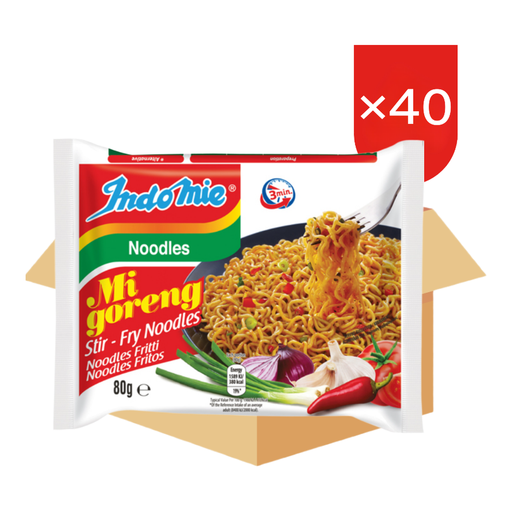
Why This Fits Their Persona: A box with forty portions for a shared store cupboard, student house or lover of Indonesian mi goreng.
The number of packets and weight per sachet are clearly stated. This allows you to estimate the stock and price per portion in advance.
Forty individual portions of 80 grams; dry preparation with sweet soy sauce, seasoning oil and chilli powder according to the ingredients list.
Browse a current selection of speciality noodles and compare flavours, pack sizes, preparation methods and product information before you order.
Follow the instructions on the label. With many Korean ramen, you boil the noodles for a few minutes in water and then add the soup mix. With Buldak Carbonara and mi goreng, you need to drain most of the water before mixing in the sauce. Use the stated amount of water for an even preparation.
Check the date on the packet and store the noodles in a cool, dry place away from direct sunlight. An opened packet should be sealed properly. Do not use the product if the sachet or contents are damaged. The current best-before information on the packet is the deciding factor.
That depends on your taste and the ingredients. Spicy noodles often contain chilli, pepper or chilli oil and may also contain allergens such as wheat, soya, milk or sesame. Therefore, always check the ingredients list and allergen declaration before choosing a product.
