
Vandaag of morgen in huis

Kwaliteit gegarandeerd

Welkomstaanbiedingen ontgrendelen: GRATIS bezorging | Tot 80% korting | Gratis 30 dagen JoyPlus-proefperiode
Download de app
Asian instant noodles are handy for a quick lunch at the office, a simple meal at home, or a late-night snack. Yet products vary greatly in flavour, texture, preparation method and portion size. Relying solely on an attractive packet or the word “authentic” can leave you with limp noodles, an overly salty sauce, or a product that doesn’t suit your diet.
With spicy noodles, the intensity can vary enormously. Sichuan noodles and Chongqing noodles often combine chilli with Sichuan pepper. This gives not only heat but also a tingling or numbing sensation in the mouth. Other products mainly use chilli oil or a sweet-and-salty sauce.
So check whether the packet contains separate sachets. With a separate chilli oil sachet, you can adjust the amount more easily than when all the seasoning is already mixed into one powder.
A 440g or 500g pack may contain multiple servings. A 110g pot is intended as a single meal. Don’t just compare the total price, but also:
Pay particular attention to salt. In the product information of various instant noodles, the salt content ranges from around 4g to nearly 6g per 100g. The exact value depends on the product and the preparation method.
Chinese instant noodles, Korean instant noodles, and noodles from Sichuan or Chongqing may be inspired by regional dishes, but taste remains personal. According to A’Kuan’s own product description, their wide noodles are based on Sichuan flavours; that mainly tells you about the recipe and the brand’s positioning, not that every consumer will have the same taste experience.
So look at concrete features: noodle type, sauce sachets, preparation method, origin, allergens and nutritional values.
The shape determines how the sauce is absorbed and how the noodle feels.
A short cooking time doesn’t mean every noodle gives the same result. Check whether the product needs to be soaked, boiled, or simply covered with boiling water.
For work, study or a late snack, products that only need a bowl and water are practical. According to the instructions, the wide A’KUAN noodles need to soak in boiling water for 5 to 6 minutes. Then you drain the water and stir in the sauce and seasoning.
Other products require more attention. Jin Mai Lang Chongqing Style Noodles need to be boiled for about 3 minutes with approximately 550ml of water. With Wu Gu Dao Chang Classic Tomato & Egg Noodles, you boil the noodle block for about 3 to 4 minutes and then add the sachets.
Also consider the kitchen facilities available. A kettle is sufficient for some varieties at the office, but not for all Chinese instant noodles or Korean noodles.
Check the full ingredients list before buying. Many products contain wheat or gluten, soya and sesame. Some varieties also contain peanut, egg, crustaceans or molluscs. Luobawang Luosi Noodles, for example, lists wheat, soya, peanuts and molluscs as allergens.
The number of flavour sachets is also relevant. Luobawang comes with eight separate ingredient packets, including broth, chilli oil, vinegar, bamboo shoots, peanuts and dried tofu. That can be interesting if you’re looking for multiple layers of flavour, but less convenient if you want a simple meal without much preparation.
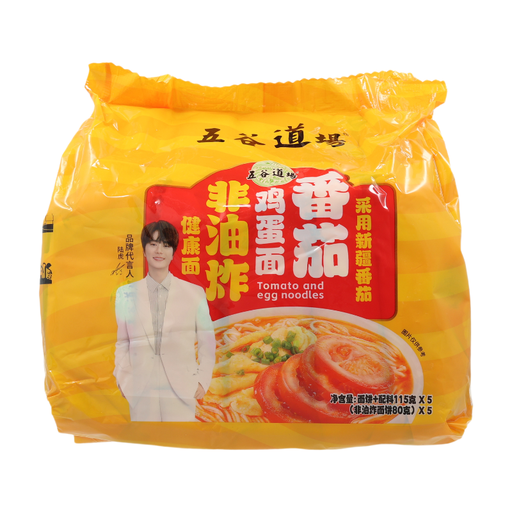
Why this suits the profile: Five individual 98g servings are practical for stocking up at home, a quick lunch or a simple meal without complicated toppings.
The portions are individually packed and the preparation method is clear: boil for about 3 to 4 minutes, then add the sachets.
Five servings, non-fried wheat noodles according to the product description, and a tomato-egg flavour with sweet-and-sour notes. Contains wheat, soya and egg.
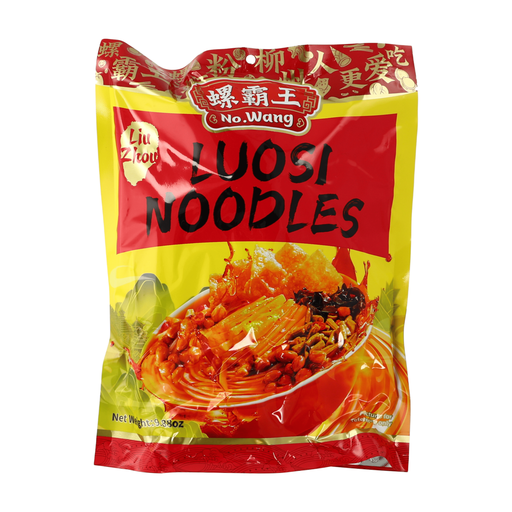
Why this suits the profile: Ideal for anyone wanting to try a regional Chinese noodle style with multiple separate ingredients rather than just a standard broth powder.
The flavour build is controllable via eight separate packets, including sour, chilli oil, vegetables, peanut and dried tofu. So you can see exactly what you’re adding.
Rice noodles and a preparation time of about 5 minutes according to the product information. Contains wheat, soya, peanuts and molluscs; check the label carefully.
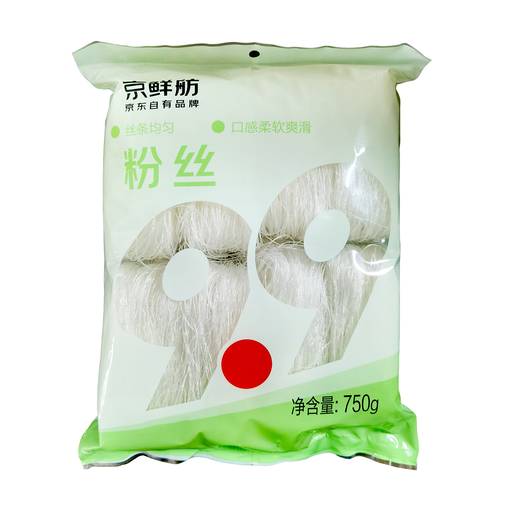
Why this suits the profile: A large pack suits regular cooks who want to make their own soup, stir-fries, salads or spring rolls.
The product is not presented as a ready meal. The instructions mention soaking and a short boil, so you can control the preparation and toppings yourself.
750g net weight, 97% wheat starch and 3% pea starch according to the product specification. Suitable for multiple preparation methods; contains wheat.
For noodle lovers who enjoy chilli oil, A’KUAN Broad Noodle Spicy Hot Flavour 440g and A’KUAN Red Oil Broad Noodle Sesame Paste Flavour 115g are logical options to consider. The first uses wide noodles with Sichuan-style chilli oil; the second combines sesame paste with chilli oil according to the ingredients list.
If you’re specifically looking for Dan Dan noodles, you can compare Wu Gu Dao Chang Classic Sichuan Dan Dan Noodles or Freasy Sichuan Dan Dan Noodles. Pay attention to the difference between shelf-stable instant products and frozen products. Freasy specifies a chilled supply chain and freezer storage, whereas Wu Gu Dao Chang is a shelf-stable five-pack.
For Korean instant noodles with a milder black bean sauce, Nongshim Chapaghetti is an alternative. For a thin basic noodle without an elaborate sauce, Ottogi Somen 500g is useful in soup, salad or as a cold noodle. Check the current packaging, allergens and preparation instructions for each product.
We’ve put together a full, up-to-date list of products that fully meet these strict selection criteria and comply with current European safety regulations.
Choose a product that states soaking with boiling water is sufficient. Place the noodles in a bowl, pour boiling water over them, cover and wait the stated time. Drain the water if the instructions say so, then add the sauce and seasoning. Not every noodle is suitable for this; some varieties need to be boiled in a pan.
The best-before date is on the packaging. Store unopened products according to the instructions, usually in a cool, dry place away from direct sunlight. Once prepared, you should eat the meal immediately. Mixed noodles and opened sachets are generally not intended for storage.
That depends on the amount of chilli oil, spices and Sichuan pepper. With separate sachets, start with a small amount and add to taste. Also check the label for allergens such as soya, sesame, peanut, egg and crustaceans. The nutritional values and ingredients on the packaging are the definitive guide.
