
Vandaag of morgen in huis

Kwaliteit gegarandeerd

Welkomstaanbiedingen ontgrendelen: GRATIS bezorging | Tot 80% korting | Gratis 30 dagen JoyPlus-proefperiode
Download de app
Asian instant noodles are ideal for a quick meal, a late-night snack or keeping in the office cupboard. However, not every pack will suit your needs. If you focus only on eye-catching packaging or claims such as “extra hot”, you could end up with too many portions, a flavour you do not enjoy or allergens that have gone unnoticed.
This buying guide will help you approach buying Asian instant noodles in a more targeted way. You will learn what to look for when choosing Korean ramen, Chinese instant noodles, Japanese instant noodles and Indonesian mi goreng.
Terms such as “hot”, “volcano” and “fire chicken” suggest what the flavour might be like, but they do not represent a standardised European scale. The actual experience depends on how much sauce, chilli oil and seasoning you add. With some products, you can use only part of the sauce; with others, most of the flavour is already in the seasoning powder.
If you want to start cautiously, choose a product with a separate sachet of sauce. With chilli noodles, this allows you to control how much seasoning you use.
A Korean noodle multipack or larger pack may reduce the price per portion, but only if you enjoy the flavour regularly. Therefore, check:
A box containing twenty packets is practical for a family, shared student house or office, but less suitable if you want to try several different flavours first.
Product information may state that packaging and ingredients can change. Always check the physical label, allergen information, preparation instructions and best-before date before consumption. This is particularly important for products containing wheat, soya, sesame, fish, peanuts or shellfish.
Brands may use flavour or quality claims. Do not treat these as guaranteed performance: check what is objectively in the pack, such as the portion size, ingredients and preparation time.
Instant ramen is often prepared with stock. With stir-fried instant noodles, you usually cook the noodles first and drain them before adding the sauce. This produces a different texture and flavour.
Do not look only at the preparation time. A product that takes four minutes to cook also requires a pan, colander and washing up. A bowl that only needs hot water can sometimes be more practical for the office or a student room.
Compare the nutritional information per 100 grams as well as per full portion. Portion sizes vary considerably, from 80-gram packets to multipacks with portions of 135 grams or more. Pay particular attention to:
For example, the supplied product information for Indomie Mi Goreng Original lists 2.0 grams of salt per 100 grams. A Kuan Chongqing Noodles lists 3.0 grams of salt per 100 grams, while BaiXiang DaLajiao lists 5.8 grams of salt per 100 grams. These are product specifications, not a judgement on whether they are suitable for your personal diet.
Korean noodles often contain chilli, garlic, soya, sesame and sometimes chicken or fish flavouring. Chinese instant noodles may contain Sichuan pepper, chilli oil, vinegar or sesame paste. Japanese instant noodles, such as teriyaki wok noodles, often have a sweet and savoury flavour profile.
Always check:
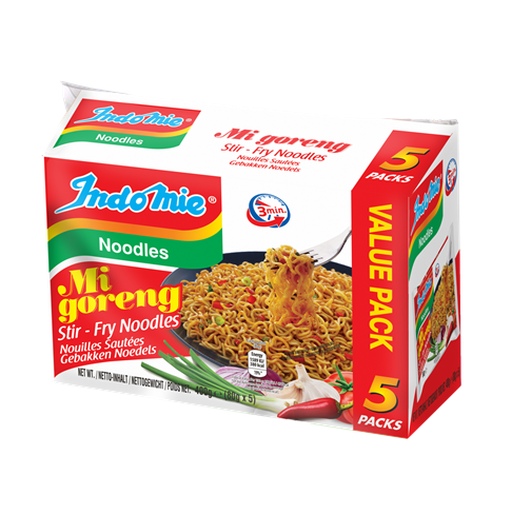
Why it suits this profile: A five-portion pack is a manageable choice if you want to try Indonesian mi goreng without immediately building up a large stock.
The number of portions and total weight are clearly stated: 5 x 80 grams. The seasonings are added separately, so you can adjust the amount.
Dry stir-fry preparation, five individual portions and a complete pack containing oil, sweet soya sauce, seasoning and chilli powder.
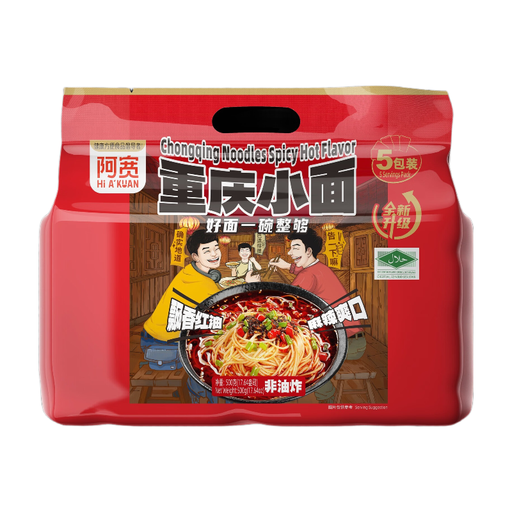
Why it suits this profile: Ideal for fans of distinctive Sichuan flavours who want more than heat and enjoy the tingling sensation of Sichuan pepper.
The pack contains five 100-gram packets, with separate sachets for the soup base, chilli oil and dried vegetables. This makes the contents easy to check.
Five portions, wheat noodles and a preparation time of approximately 3 to 4 minutes. The chilli oil can be adjusted to taste.
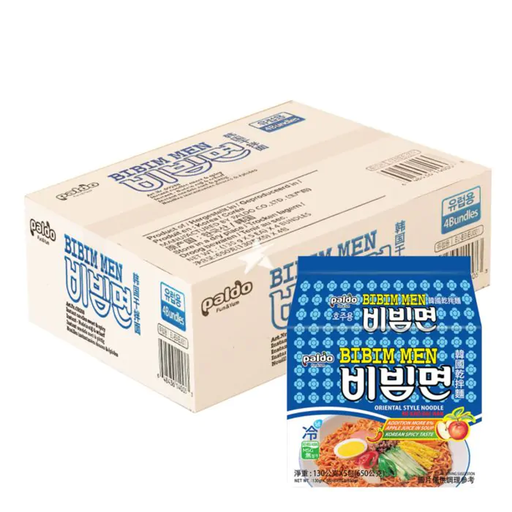
Why it suits this profile: A large stock for households, offices or enthusiasts who regularly enjoy cold, sweet and spicy Korean bibim noodles.
This pack contains twenty 130-gram portions, so the quantity is clear from the outset. The preparation method differs from that of soup noodles: rinse and mix cold.
20 x 130 grams, a sweet and spicy sauce, and a product that, according to the description, is served cold with ingredients such as cucumber or egg.
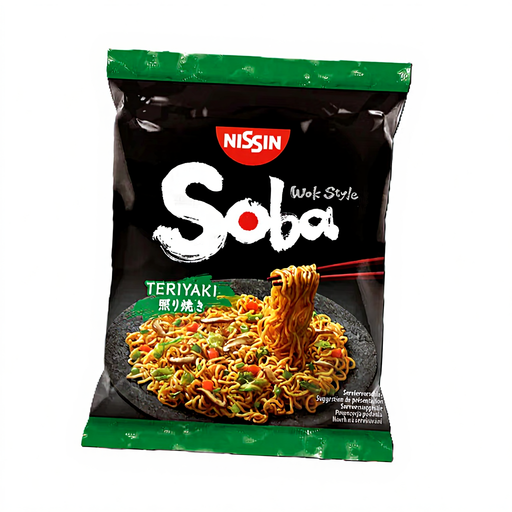
Why it suits this profile: A single wok-style portion is practical for a quick Asian meal at home, in the office or during a busy day of studying.
The product description states that these “soba” noodles are made from wheat. This avoids confusion with soba made from buckwheat.
110 grams per portion, teriyaki sauce and a stir-fry preparation method. The stated nutritional information lists 1.6 grams of salt per 100 grams.
We have compiled a complete, up-to-date list of products that fully meet these strict selection criteria and the applicable European safety regulations.
Instant noodles usually come complete with noodles and seasonings, but you can easily customise your meal. Try adding spring onion, pak choi, mushrooms, kimchi, a boiled egg or tofu. With very spicy instant noodles, start by using only part of the sauce and add more later if you wish.
Toppings with a neutral flavour work well with chilli oil and Sichuan pepper in Sichuan noodles. With Indonesian mi goreng, you could add a fried egg or extra vegetables. Bear in mind that extra soya sauce, stock or ready-made toppings can further increase the overall salt content.
You can order instant ramen online from webshops offering Korean ramen, Chinese instant noodles, Japanese wok noodles and Indonesian mi goreng. Before buying, compare the portion size, delivery costs, shelf life and allergen information.
The exact date is shown on the packaging. Store the packets or boxes according to the product instructions: usually in a cool, dry place away from direct sunlight. Do not use a pack if it is damaged, and check the label again if the webshop information differs.
That depends on the sauce and your personal preference. Products with separate chilli oil or sauce give you greater control. Start with a smaller pack, do not use all the sauce straight away and consider choosing a sweet and savoury profile such as teriyaki or mi goreng before moving on to intense Korean or Sichuan flavours.
