
Vandaag of morgen in huis

Kwaliteit gegarandeerd

Welkomstaanbiedingen ontgrendelen: GRATIS bezorging | Tot 80% korting | Gratis 30 dagen JoyPlus-proefperiode
Download de app
Asian instant noodles are a handy option for students, busy workdays and a quick snack. However, not every pack is the same. A bowl of instant ramen might contain a broth, while other noodles are designed to be drained and tossed with sauce after cooking. Portion sizes, salt content, allergens and cooking methods also vary considerably.
If you only go by a flashy packet or a label like "extra spicy", you could end up with a product that doesn't suit your eating habits. So pay particular attention to three common pitfalls:
For a noodle soup, you usually add boiling water and eat the noodles with the broth. Korean ramen such as Shin Ramyun and kimchi noodles often fall into this category. Instructions can vary: some products need to be boiled in a pan for four to five minutes, while others can be steeped in a bowl of hot water.
Indonesian instant noodles, like certain Indomie noodles, are often served without broth. You cook the noodles, drain them and mix them with oil, seasoning or sauce. So check whether the product is intended as a soup or as stir-fry noodles.
A sachet of 55 to 75 grams is practical as a snack or light meal. Packs of around 120 to 140 grams are generally more suitable when you want to prepare one hearty bowl. An instant noodle multipack is handy for a household, student kitchen or store cupboard, but compare the total quantity and the price per portion.
Also look out for the difference between:
Nutritional values vary by brand and flavour. In the available product information, for example, Nongshim Kimchi lists 11.3 grams of salt per 100 grams of dry product, while Samyang Buldak Carbonara states 2.6 grams of salt per 100 grams. Portions and labelling can differ, so always compare the same reference.
Many Asian instant noodles contain wheat or gluten and soya. Depending on the flavour, milk, egg, celery, mustard, fish, shellfish or peanuts may also be present. For instance, Indomie Shrimp Flavour lists wheat and shellfish, while MAMA Shrimp Creamy includes wheat, soya, milk and prawns. If you have an allergy or food intolerance, always check the current packaging.
Brands may promote their flavour or preparation method in product descriptions. Don't take such claims as a guarantee of your personal taste. Look at verifiable details such as weight, ingredients, allergens, nutritional values and cooking time.
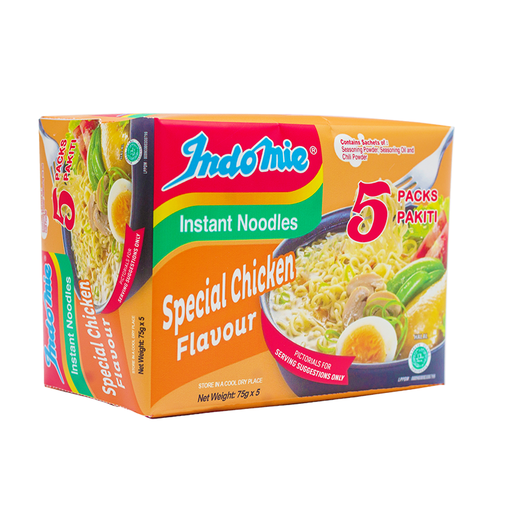
Why this fits the profile: The five 75-gram sachets are easy to manage for anyone trying Indonesian instant noodles for the first time without committing to a large box.
The weight per sachet is clearly stated, so you can judge the portion size better than by the packaging alone.
Five individual portions; chicken seasoning; cooking advice and allergen information available on the product page.

Why this fits the profile: This box of twenty portions suits fans of Korean ramen who want to keep a regular supply of noodle soup on hand.
The packaging states a cooking time of around four to five minutes and 500 ml of water. The spicy flavour is part of the product profile, not just a marketing label.
120 grams per sachet; box of twenty; preparation options with egg, vegetables or meat; contains wheat and soya.
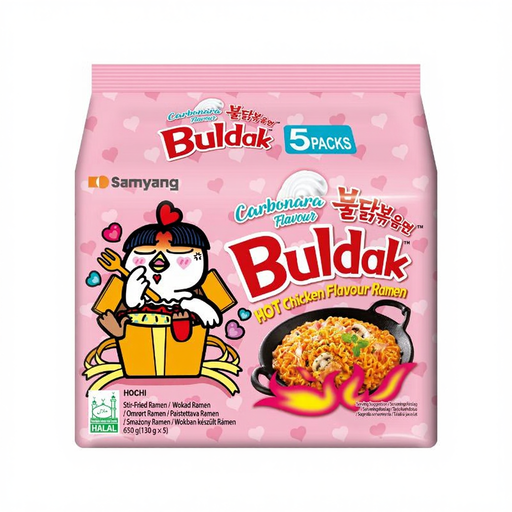
Why this fits the profile: If you're deliberately looking for spicy noodles with a creamy sauce, you get five 130-gram portions with separate sauce and powder sachets.
The product information mentions the combination of spicy chicken flavour and carbonara style. Do check the current label if you need to avoid milk, soya or gluten.
130 grams per portion; five sachets; 423 kcal and 2.6 grams of salt per 100 grams according to the product information.
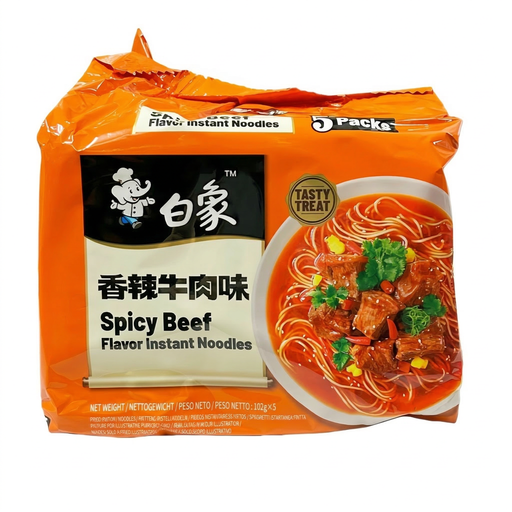
Why this fits the profile: This five-pack is suitable for anyone looking for Chinese instant noodles with beef flavour and a firm wheat noodle.
The product states 102 grams per sachet, a cooking time of four to five minutes and 5% beef in the quantitative ingredient declaration.
510 grams total; non-fried noodles according to the product description; contains wheat, egg and soya.
We've put together a full, up-to-date list of products that fully meet these strict selection criteria and comply with current European safety regulations.
That depends on the packaging. Some sachets can be prepared in a bowl with boiling water, usually covered for three to five minutes. Other products, such as Nongshim Shin Ramyun, recommend boiling in a pan. Always follow the cooking instructions on the current label.
The best-before date is on the packaging and varies by product. Store unopened noodles in a cool, dry place away from direct sunlight. Do not use a pack if the sachet is damaged or leaking. The stated date is the one to follow; don't rely solely on information in an online product description.
Not automatically. Spiciness is a matter of personal preference and varies greatly between, for example, kimchi noodles, Korean ramen, Thai instant noodles and Buldak Carbonara. If in doubt, start with a smaller pack and also check the salt, allergens and ingredients list. Noodles are increasingly being topped with egg, vegetables or tofu, but those extra ingredients change the nutritional value of the meal.
