
Vandaag of morgen in huis

Kwaliteit gegarandeerd

Welkomstaanbiedingen ontgrendelen: GRATIS bezorging | Tot 80% korting | Gratis 30 dagen JoyPlus-proefperiode
Download de app
A bowl of Asian instant noodles is quick to prepare, but not every product suits every diner. Are you looking for Korean ramen with a noticeable kick, Chinese instant noodles with broad strands or Japanese ramen with a gentle broth? In that case, the ingredients, preparation method and portion size are particularly important.
Marketing terms such as “authentic”, “extra rich” or “fiery hot” do not always tell you enough. The packaging may contain several sachets, for example, while preparation takes longer than with a standard noodle cup. Large multipacks may also work out less economical if you do not enjoy the flavour.
With spicy instant noodles, the emphasis is sometimes heavily placed on chilli. That says little about the rest of the flavour profile. Korean Buldak ramen often combines a concentrated sauce with sweeter and savoury notes. Chongqing noodles and mala noodles often add Sichuan pepper, creating a tingling sensation as well as heat.
If you are looking for a milder meal, it may be better to start with chicken noodle soup or a light broth. With dry noodles, also check whether you need to add the entire sachet of sauce. Some products allow you to adjust the amount of chilli oil yourself.
A multipack of instant noodles can be useful for students, families or keeping a well-stocked cupboard. However, pay attention to the number of sachets and the weight per sachet. A box containing five 100-gram portions is put together differently from a pack with twelve smaller portions.
Also compare the best before date on the packaging. For products with a relatively short best before period, such as some cheese or Buldak varieties, a large pack is less practical if you do not eat them regularly.
Many Asian instant noodles contain wheat, soya or sesame. Some varieties also contain milk, peanuts, mustard, celery or egg. Always read the current ingredients list and allergen information on the packaging you receive.
Preparation methods also vary:
First choose between soup noodles and dry, mixed noodles. Tonkotsu ramen and chicken noodle soup are designed to be served with broth. Red-oil noodles, Korean fire chicken noodles and many Chongqing noodles are drained and mixed with sauce instead.
The texture also varies. Broad noodles are often thicker and more elastic. Stir-fry noodles are suitable for tossing with vegetables and sauce in a wok. Classic fried ramen usually softens within a few minutes.
Check whether you need a saucepan. A cup product such as Nongshim Korean Hot & Spicy Bowl Noodle requires only boiling water and approximately 4 to 5 minutes of waiting. A Kuan Red Oil Broad Noodle also needs to be soaked, but must then be drained and mixed.
Other varieties require a saucepan. According to the product information, Li Hailong Spicy Hot Pot Noodles need to be boiled for approximately 7 minutes. This provides more ingredients and sauce, but also requires more time and washing up.
Nutritional values are often listed per 100 grams. So do not compare only the number on the label; also look at the total weight and the actual portion size. In the product information provided, salt levels range from 2.3 to 5.7 grams per 100 grams, for example, depending on the product and recipe.
Also look out for:
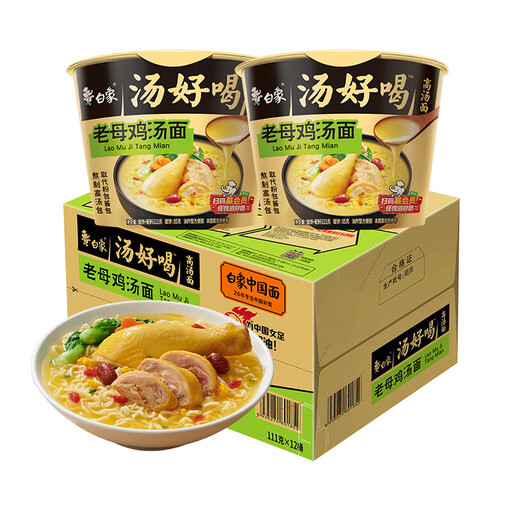
Why it suits this profile: The box contains twelve portions, making it practical for students, families or keeping a regular supply at home. The classic chicken noodle soup is more approachable than extremely hot ramen.
The number of portions and total weight are clearly stated. This lets you match your supply to your consumption instead of choosing based solely on the size of the box.
Twelve individual portions, preparation with boiling water and a chicken broth with dried vegetables.
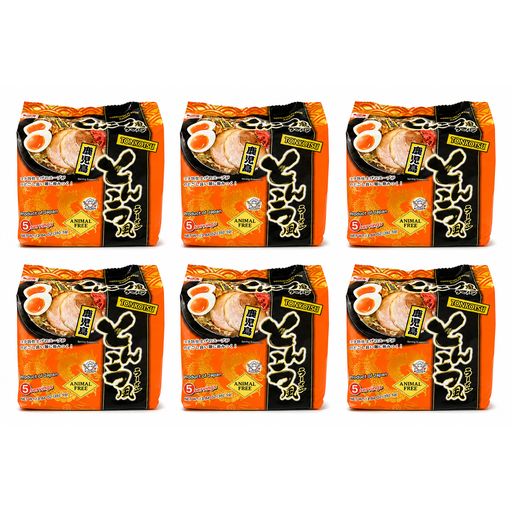
Why it suits this profile: This Japanese ramen is an appealing choice if you are looking for a tonkotsu-style broth and a larger supply, with five packs per bundle and six bundles according to the product name.
The product information lists the ingredients and nutritional values per 100 grams. This allows you to compare the broth, allergens and salt content rather than relying solely on the product name.
Japanese tonkotsu style, 78.5-gram portions and a large bundle for regular preparation.
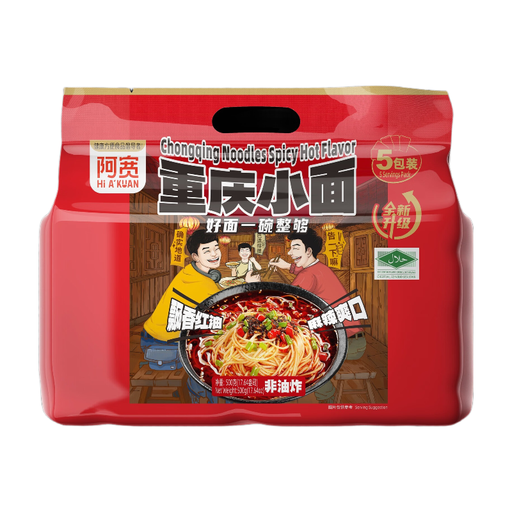
Why it suits this profile: For fans of mala flavours and Chinese street-food style, this pack contains five portions with soup base, chilli oil and dried vegetables.
The amount of chilli oil can be adjusted to taste according to the preparation instructions. The five separate sachets mean you do not have to open a large mixed pack all at once.
Five 100-gram portions, preparation in approximately 3 to 4 minutes and separate sachets for soup base, chilli oil and vegetables.
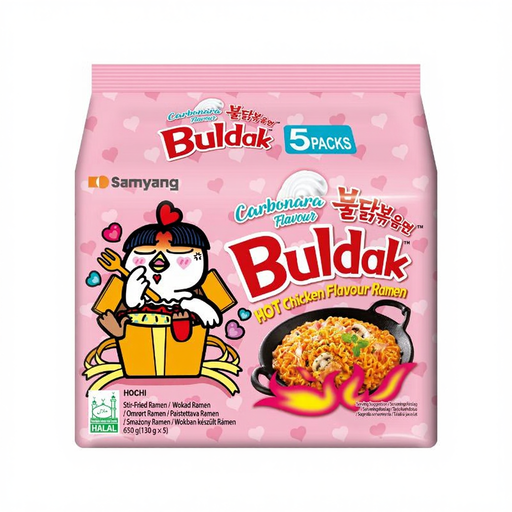
Why it suits this profile: This multipack is designed for diners who want to combine a creamy carbonara-style flavour with a distinctly spicy chicken sauce.
The product information lists separate sauce and powder components, as well as allergens such as gluten, soya and milk. This makes comparison easier.
Five 130-gram portions, thick noodles and a preparation method in which the sauce is mixed in after draining.
We have put together a complete, up-to-date list of products that fully meet these strict selection criteria and the applicable European safety regulations.
Add fresh ingredients without making the original preparation complicated. Try pak choi, spinach, spring onion, sweetcorn, mushrooms or a boiled egg. Peanuts, sesame or extra vinegar also work well with broad noodles and Chongqing noodles, provided you take existing allergens into account.
If you want less heat, do not add the entire sachet of chilli oil straight away. With soup noodles, you can add extra hot water, but bear in mind that this will make the flavour less concentrated. With dry noodles, the amount of sauce has a greater impact on how intense the dish tastes.
Shelf life varies by product and packaging. Always check the date on the packaging and store the noodles somewhere cool and dry, away from direct sunlight. After opening or mixing, product instructions often recommend consuming the dish immediately.
No. Korean ramen ranges from savoury broth varieties to extremely spicy Buldak ramen. Check the product description, sauce components and preparation method. With some products, you can set aside part of the spicy sauce.
Broad noodles are generally thicker or wider and often have an elastic bite. They are frequently soaked and mixed with chilli oil. Ordinary instant ramen is thinner and is more often served in a broth. The right choice depends on the texture you prefer and the preparation time available.
