
Vandaag of morgen in huis

Kwaliteit gegarandeerd

Welkomstaanbiedingen ontgrendelen: GRATIS bezorging | Tot 80% korting | Gratis 30 dagen JoyPlus-proefperiode
Download de app
A quick bowl of noodles is ideal for a busy working day, a late-night study session or a cupboard that needs practical meal options. However, Asian instant noodles vary considerably in flavour, preparation, portion size and ingredients. Eye-catching packaging does not always tell you enough about what you will receive.
The main pitfalls when buying instant noodles are:
First, consider whether you are looking for an Asian noodle soup, dry noodles with sauce or a microwave meal. With ramen, you usually add water to the stock. With Sichuan noodles or Korean fire chicken noodles, you often cook the noodles first and then mix them with the sauce.
Cooking times vary:
Also check whether you need a saucepan, kettle or microwave. A bowl product is convenient in places without a hob, but always follow the instructions on the packaging.
Korean ramen often has a robust stock with chilli, garlic and savoury spices. Japanese ramen is usually recognisable by a soup base such as beef, chicken or soya flavour. Chinese noodles, meanwhile, may focus on chilli oil, Sichuan pepper, vinegar or sesame paste.
Pay attention to the difference between:
The amount of chilli powder does not tell you everything about the final flavour. A sauce containing chilli oil, pepper and fermented ingredients can taste quite different from a dry seasoning mix. When trying a new product, you may want to start by using only part of the sachet.
Compare the net weight per portion, not just the number of sachets. A pack of 5 × 120 grams is different from a 110-gram bowl or a 155-gram bag containing several flavour sachets.
Read the allergen information before buying. Many products contain gluten from wheat and soya. Other products also list peanuts, sesame, mustard, celery, egg, milk, fish or crustaceans. For example, Hao Huan Luo Luosifen lists peanuts, soya and sulphites; according to the description, the production line also processes crustaceans and molluscs, sesame and egg.
Also check the nutritional values. Some of the products mentioned contain approximately 3 to 5 grams of salt per 100 grams. Exact values and portion calculations may vary from one pack to another. Therefore, use the label on the product you receive as your guide.
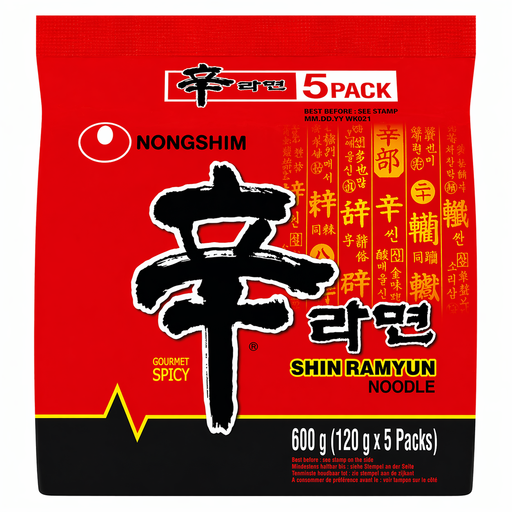
Why it suits this profile: A pack containing five portions gives beginners the chance to try Korean ramen without immediately buying a large box. According to the product information, preparation takes approximately 4.5 to 5 minutes.
The number of portions and the weight are clearly stated. The seasoning mix and vegetable flakes are described separately, so you can check in advance whether wheat and soya fit into your diet.
5 × 120 g; spicy Korean noodle soup; contains dried vegetables and shiitake according to the product description.
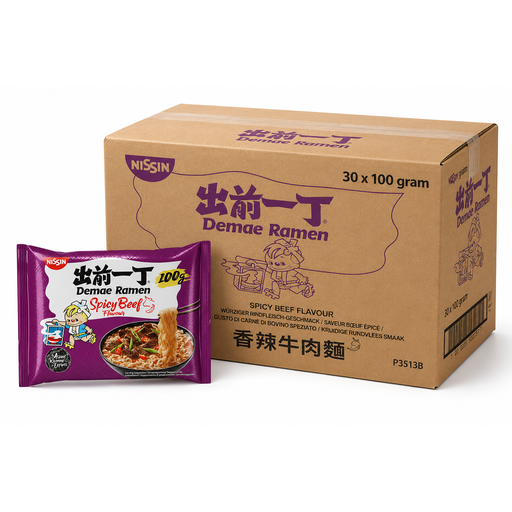
Why it suits this profile: If you are looking for a regular Japanese ramen option, this large multipack provides 30 portions. The stated preparation time is three minutes with boiling water.
The amount in each sachet and the total box size are clearly specified. The flavour combines beef seasoning, chilli powder and a separate oil sachet; you can adjust the amount of oil to suit your preference.
30 × 100 g; ready in around 3 minutes; separate seasoning powder and seasoned oil; contains wheat and soya.
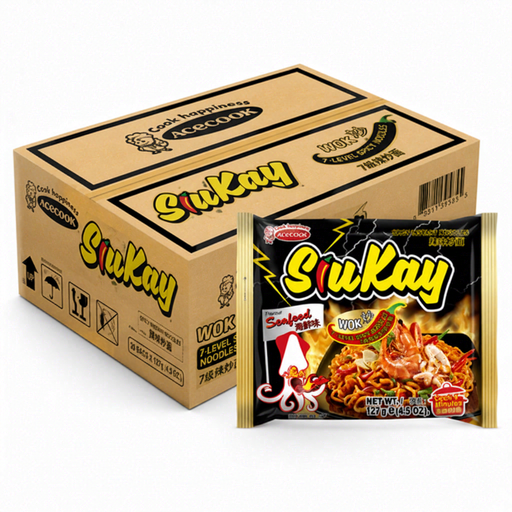
Why it suits this profile: These seafood noodles are aimed at households that regularly stock up and specifically want a spicy seafood flavour.
The box contains 24 individual 127 g sachets and clearly states that prawn, fish and squid extracts contribute to the flavour. This makes checking the allergens easier.
24 × 127 g; total net quantity of 3.048 kg; spicy flavour with seafood, tomato and chilli according to the product description.
We have put together a complete, up-to-date list of products that fully meet these strict selection criteria and the applicable European safety regulations.
Choose a product whose packaging allows preparation with boiling water or in the microwave. Place the noodles and seasonings in a bowl according to the instructions, add enough boiling water and cover the bowl. Leave the product to stand for the stated amount of time. Not every pack is microwave-safe, so check this beforehand.
The best-before date is printed on the individual pack or box. Store unopened instant noodles in a cool, dry place away from direct sunlight. After opening or preparing them, it is best to use the product straight away. Also check the packaging for damage before preparing the noodles.
This depends on their tolerance for chilli and the ingredients. For children, it is best to start with a milder flavour and avoid using the full sachet of chilli oil or seasoning straight away. Also check for allergens such as wheat, soya, sesame, peanuts, fish and crustaceans. Spice levels and ingredients vary by product, so always read the current label.
