
Vandaag of morgen in huis

Kwaliteit gegarandeerd

Welkomstaanbiedingen ontgrendelen: GRATIS bezorging | Tot 80% korting | Gratis 30 dagen JoyPlus-proefperiode
Download de app
A bowl of Asian instant noodles can be on the table in no time, but not every pack suits the same situation. A small multipack is handy for one person, while a box of 20 or 30 sachets is better suited to a family, office or business stockroom. The difference between ramen, dried noodles and noodles with separate flavour sachets also affects how they are prepared.
When buying, pay particular attention to three common pitfalls:
For a quick lunch at home, 55 to 120 grams per sachet may be sufficient, depending on your appetite and any toppings. If you are buying instant noodles in bulk for a shared student house, office or event, it is worth calculating the price per 100 grams and per portion.
A noodle multipack with individual sachets is practical for stock management. A large pack avoids separate purchases, but check the best-before date and store it in a cool, dry place. It is best not to use damaged or damp packaging.
Preparation varies from one product to another:
For example, Gusong Alkaline Noodles with Spout are a food product for processing. According to the product information, they are intended to be added in small quantities to dough or noodle recipes. This product is therefore not a ready-to-eat meal.
Many Asian instant noodles contain wheat, gluten and soya. Depending on the flavour, they may also contain egg, milk, sesame, peanuts, fish, crustaceans or celery. According to the listed ingredients, Nongshim Neoguri contains fish, prawns, molluscs, soya and gluten, among other ingredients.
Also compare the salt content per 100 grams. The values vary considerably in the product information. MAMA Chicken, for example, lists 4.5 grams of salt per 100 grams, while Nongshim Neoguri lists 9.0 grams. This does not automatically make either product unsuitable, but it is relevant information if you eat instant noodles regularly.
If you want to eat a plant-based diet, look for products where this is clearly stated on the packaging or product page. According to the product information, NongShim Instant Vegetable Noodles are vegan-certified. If you have allergies or specific dietary requirements, always check the current packaging.
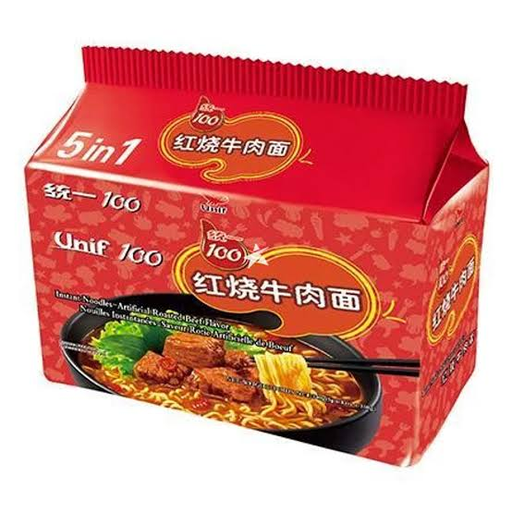
Why it suits this profile: A manageable 5-pack for anyone who wants to try Asian instant noodles without ordering a large carton straight away.
The number of sachets and the weight per sachet are clearly stated. According to the product information, preparation requires approximately 5 minutes of boiling.
100 grams per portion, beef flavour, dried vegetables and a pack of 5.
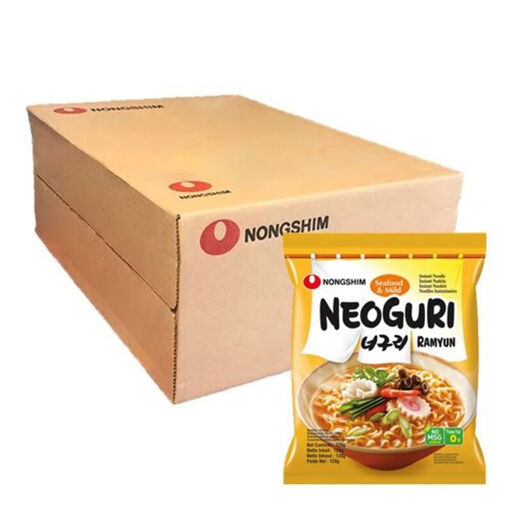
Why it suits this profile: For fans of Korean instant noodles looking for a larger stock and a distinctive ramen style.
The box contains 20 individual portions of 120 grams. However, check the detailed allergen list, which includes fish, crustaceans, soya and gluten, among other ingredients.
Generous portions, 20 packs and a soup base containing seaweed, kelp, carrot and fish ingredients, according to the product information.
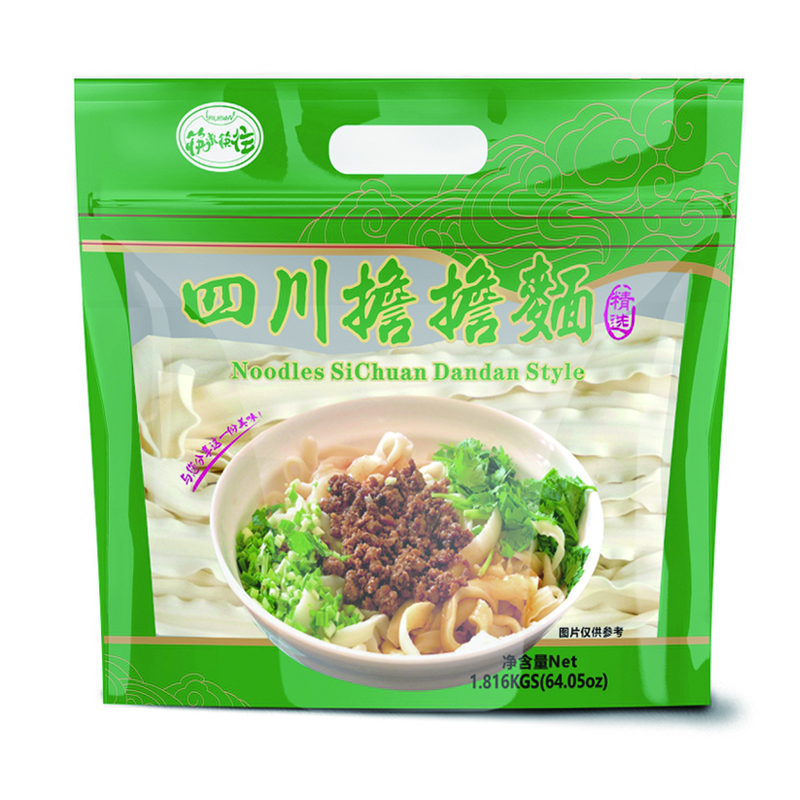
Why it suits this profile: For home cooks, high-volume users and commercial kitchens that want to combine Chinese noodles with their own sauce, stock or vegetables.
This is not a small sachet with a fixed soup mix, but 1,816 kg of dried noodles. You can therefore decide the flavour and portion size yourself.
Thin, round wheat-flour noodles, a cooking time of approximately 5 minutes, and suitable for soups, stir-fries and hotpot.
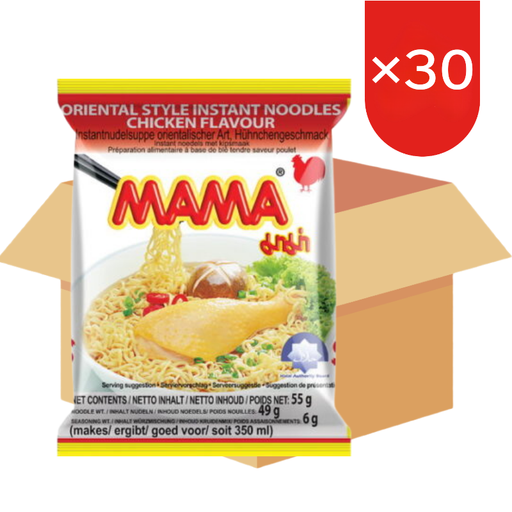
Why it suits this profile: A supply of 30 individual sachets for sharing, quick breaks or a cupboard where cooking time is limited.
It is clearly a bulk pack of 30 x 55 grams. According to the product description, it contains no artificial colourings or preservatives; check the current packaging to confirm this.
Thai-style noodles, chicken stock according to the product description, and 30 individual portions for stock management.
We have put together a complete, up-to-date list of products that fully meet these strict selection criteria and the applicable European safety regulations.
Boil or soak the noodles according to the instructions on the packaging. Use a timer and only add flavour oil or seasoning when instructed. With some products, you can drain the noodles and then mix them with sauce. Add vegetables, egg or tofu at the end if you want to retain more texture.
The best-before date is shown on the packaging. Store unopened sachets in a cool, dry and dark place, away from moisture and heat. It is best to use an opened pack straight away. With larger packs, regularly check that the sachets are undamaged.
No. A product may be vegan according to the product information while still containing allergens such as wheat, soya, sesame or mustard. Always read the current ingredients and allergen information. If you have an allergy, the packaging takes precedence, as recipes and labels can change.
