
Vandaag of morgen in huis

Kwaliteit gegarandeerd

Welkomstaanbiedingen ontgrendelen: GRATIS bezorging | Tot 80% korting | Gratis 30 dagen JoyPlus-proefperiode
Download de app
A pack of Asian instant noodles may seem simple to choose. Yet there are clear differences in flavour, preparation, portion size and allergens. Eye-catching packaging also says little about what is actually inside the sachet. If you focus only on the brand name or discount, you could end up with a meal that is too spicy, an impractical bulk pack or a product that does not suit your diet.
Terms such as spicy noodles, “hot” and “fire” do not always indicate how hot the product will taste to you. Korean Buldak ramen, for example, contains a chilli and pepper sauce, while Shin Ramyun has a spicy broth with ingredients including garlic and dried vegetables. These offer different eating experiences: one is more sauce-based, while the other is more like a soup.
Chinese instant noodles can also create a tingling sensation. According to the product description, Luobawang Snail Noodles Spicy Flavor uses Sichuan pepper for a numbing or tingling effect. That is different from simply adding extra chilli.
A ramen multipack or bulk pack can be useful for students, offices and larger households. However, check the number of portions, weight per portion and use-by or best-before information on the packaging first. A box of twenty sachets is not automatically better value if you have not tried the flavour before.
For a first taste, packs of five or six are generally easier to manage. High-volume users, on the other hand, can save on packaging and individual orders by choosing a box containing twenty or thirty portions.
Always check the full ingredients list and allergen information. Some products are described as plant-based, but different varieties within the same brand may contain milk, fish, shellfish or other ingredients. Product information on a webshop can also change. Therefore, read the physical label before eating, especially if you have allergies or follow a strict diet.
First decide between a soup, a dry dish or thick noodles with sauce:
The preparation time in these examples ranges from around three to ten minutes. Do not just look for “ready quickly”; also check how much water is needed and whether draining is required.
Check the net weight and quantity per pack. A 120 or 130 gram sachet can work out very differently from a 60 or 70 gram portion. Cup noodles are practical when you are out and about, while sachets take up less space in a cupboard.
Store instant noodles according to the label in a cool, dry place away from moisture, sunlight and heat. Do not use a pack if it is damaged. The shelf-life information is shown on the packaging for each product; check it when your order arrives, particularly when buying larger boxes.
Many instant noodles contain wheat and gluten, and often soya as well. Other common allergens include milk, egg, fish, peanuts, sesame, celery, mustard and shellfish. Nutritional values vary by brand and flavour. In the product information provided, for example, salt levels differ considerably. Compare the table per 100 grams and per portion, and take all sauce and seasoning sachets into account.
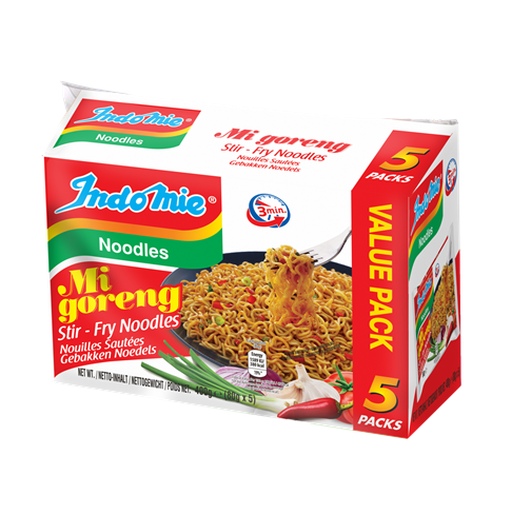
Why it suits this profile: A five-portion pack is ideal for trying Indonesian instant noodles without immediately ordering a large bulk pack. The dry preparation works well for lunch or a quick snack.
The weight, number of sachets and individual flavour components are clearly listed. This allows you to check the cost per portion and allergens.
Five 80-gram sachets; prepared with sweet soy sauce, seasoned oil and chilli powder; made in Indonesia according to the product information.
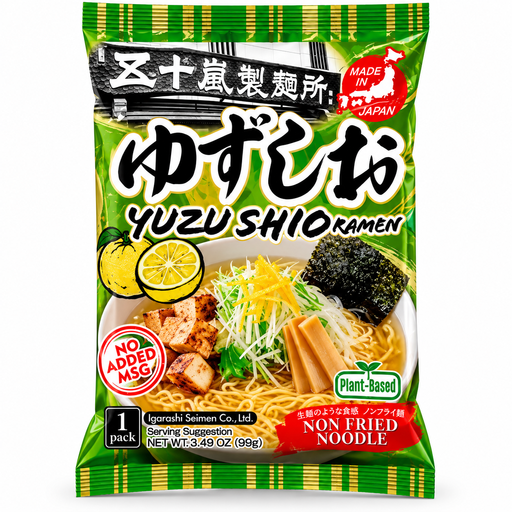
Why it suits this profile: If texture and a more refined flavour profile matter to you, this Japanese ramen is worth considering. The broth combines salt, yuzu and umami rather than relying on a strong chilli flavour.
The product information specifies non-fried wheat noodles and a preparation time of around five minutes. You therefore know exactly what you are buying in advance.
98 grams per pack; non-fried noodles; yuzu salt broth; described as plant-based according to the product information. Check the label if you follow a strict vegan diet.
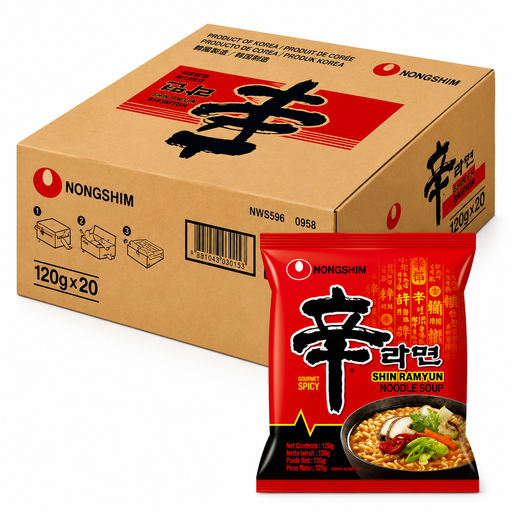
Why it suits this profile: A box of twenty portions is a good fit for households, offices and fans of a consistently familiar Korean flavour. These noodles are intended to be prepared as a soup in a pan.
The multipack size is clear from the outset, as are the preparation instructions: around 500 ml of water and four to five minutes of cooking time.
20 120-gram sachets; broth with chilli, garlic and dried vegetables; allergen information lists wheat and soya.
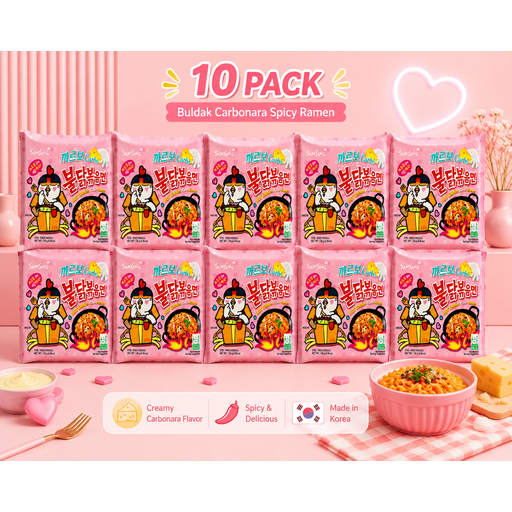
Why it suits this profile: This Korean Buldak ramen is aimed at anyone looking for a saucy, spicy meal with a creamy carbonara flavour.
The pack states that it contains ten 130-gram portions, while the ingredients include chilli, red pepper and milk ingredients. This helps you assess the heat level and dietary restrictions in advance.
10 x 130 grams; thick noodles; separate sauce and powder mix; contains wheat, soya and milk.
We have put together a complete, up-to-date list of products that fully meet these strict selection criteria and the applicable European safety regulations.
Use the amount of water and cooking time stated on the packaging. Add the seasoning powder according to the instructions and remove the pan from the heat as soon as the noodles reach your preferred texture. With dry noodles such as Mi Goreng, you usually need to drain the cooking water before mixing in the sauce and seasonings.
The shelf-life information is shown on the packaging and varies by product. Store unopened sachets in a dry, cool place away from direct sunlight. Check boxes containing multiple portions when they arrive and do not use damaged packaging.
That depends on the flavour. Some Japanese varieties are described as plant-based, while other products contain milk, fish, shellfish or chicken flavouring. Always read the ingredients list and allergen information on the current packaging before buying instant noodles.
