
Livraison le jour même et le lendemain

Qualité garantie

Débloquez vos offres de bienvenue: Livraison GRATUITE | Jusqu'à -80 % | 30 jours d'essai gratuits à JoyPlus
Téléchargez l'application
Asian instant noodles are ideal for a quick lunch, late-night snack or simple meal. However, instant noodles vary considerably in their base, flavour, portion size and preparation method. A cup for eating on the go requires different features from a large pack of rice noodles intended for several dishes.
If you rely solely on the picture or a familiar flavour name, you may get some surprises. Below, we explain what to look for when choosing Asian noodles, rice noodles, ramen and rice vermicelli.
A description such as Tom Yum, chicken, prawn or Pad Thai mainly indicates the intended flavour profile. It does not automatically tell you how much of the named ingredient is actually included. So always check the ingredients list. Some products, for example, specify a particular percentage of prawn powder or shrimp flakes.
Flavourings such as soya, milk, wheat, egg or crustaceans may also be present in the seasoning or oil sachets. This is particularly important if you have allergies or food intolerances.
A box containing 20 or 30 sachets can be practical for a student house, office or catering environment. But check the following first:
A large pack of noodles makes most sense if you use that flavour regularly. If you prefer variety, a smaller pack or a combination of different flavours may be more convenient.
Wheat noodles, including many types of ramen and classic instant noodles, are usually prepared in boiling water. Rice noodles and rice vermicelli, on the other hand, may need to be soaked, briefly boiled or prepared directly with hot stock. Their thickness also affects the texture and cooking time.
So do not just look for the word “noodles”. Check the main ingredient and the preparation instructions too.
If you want to avoid gluten, check the allergen information. A rice-based product is not automatically free from possible traces or other allergens.
For a quick meal, products with clear preparation instructions are useful. Some sachets require three to four minutes in boiling water. A cup can be filled with hot water and then covered. Other varieties, such as dried rice noodles measuring 3 or 5 mm, need to be soaked first and then boiled.
Also consider the equipment required:
Where possible, compare the nutritional values per 100 grams and per portion. With instant noodles, the seasoning and sauce sachets can provide much of the flavour and salt. If you wish, use only some of the flavoured oil, or add fresh vegetables, egg, tofu or chicken to create a meal that better suits your eating habits. This is a practical preparation tip, not a health claim.
Always check the current packaging before buying. Online product information may differ from the physical packaging. Pay particular attention to gluten, wheat, soya, milk, egg, peanuts, sesame and crustaceans.
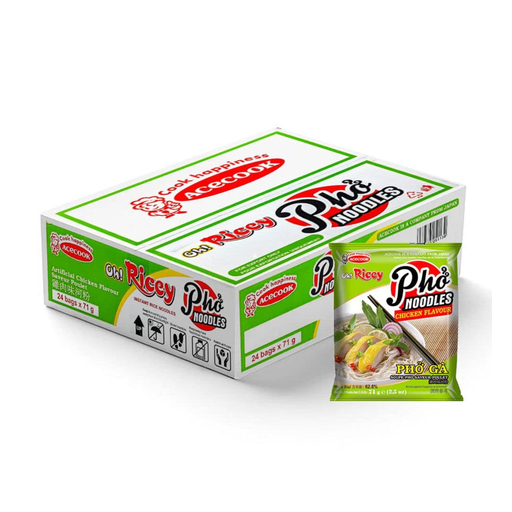
Why it suits this profile: A box containing 24 individual portions is easy to manage for students, families and kitchen cupboards. The rice noodles come with a soup base, vegetable sachet and oil sachet.
The number of portions and the weight per portion are clearly stated. However, check the allergens: the description mentions soya, wheat, barley and milk, among others.
24 portions of 71 g; rice noodles with a chicken-style flavour and separate flavour components.
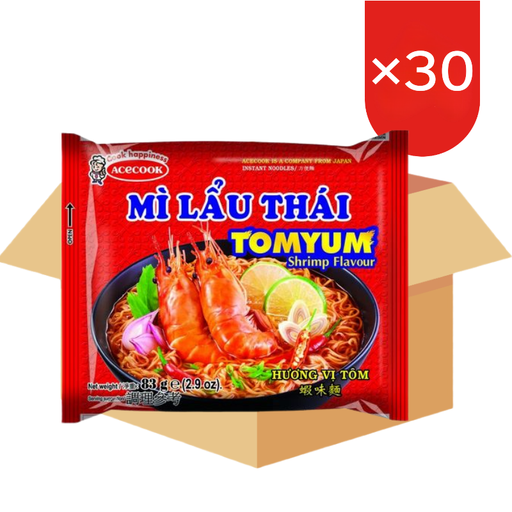
Why it suits this profile: Ideal for lovers of a distinctive Thai flavour with lime-like notes, herbs and a separate chilli element.
The packaging contains 30 portions of 83 g and the preparation instructions specify four minutes. You can adjust the heat level using the chilli packs.
30 individual portions; shrimp flakes and chilli packs according to the product description. Contains soya and prawn.
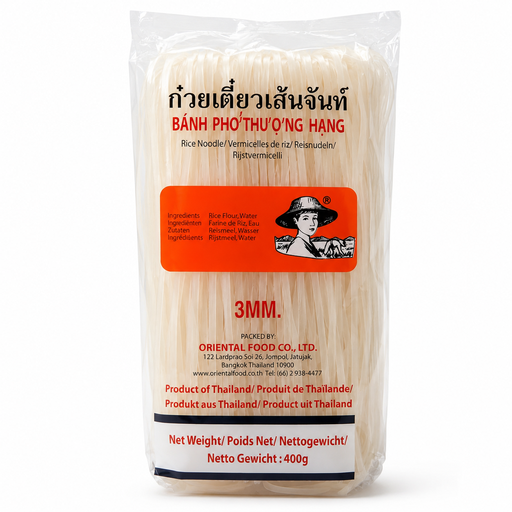
Why it suits this profile: A neutral base for Thai noodles, Vietnamese noodles, soups and stir-fries. Useful for home cooks and small catering kitchens.
The diameter of 3 mm and weight of 400 g are clearly stated. No flavour sachet is included, so you can decide how much sauce, stock and seasoning to use.
400 g of dried rice noodles; according to the product information, made from rice flour and free from the 14 main EU allergens.
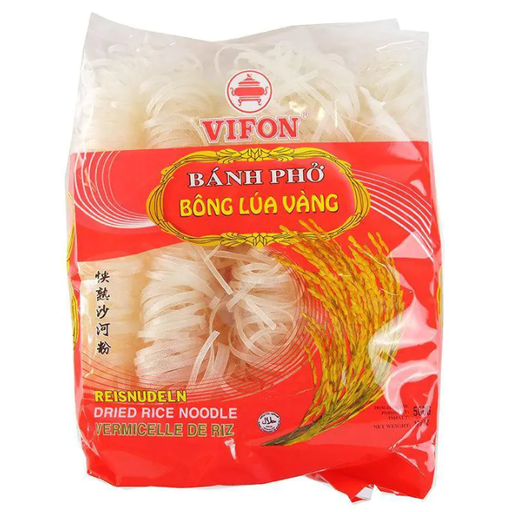
Why it suits this profile: These dried Vietnamese noodles are intended for pho, bun, salads and stir-fries. The 500g pack is suitable for several cooking occasions.
The product information states the diameter and gives several preparation methods. Expect to soak and briefly boil them rather than simply adding hot water from a kettle.
500 g pack; 5 mm rice noodles for pho, bun, soups and stir-fries.
We have put together a complete, up-to-date list of products that fully meet these strict selection criteria and the applicable European safety regulations.
Always follow the instructions on the packaging. With many sachets, you add boiling water and wait three to four minutes. Some products need to be boiled in a pan. Thin rice vermicelli can sometimes be soaked briefly, while thicker rice noodles need to be soaked for longer and then boiled.
The relevant date is shown on the packaging. Store unopened noodles in a cool, dry place away from direct sunlight. Before use, check the packaging for damage or moisture, and make sure there is no unusual smell. Once opened, loose dried noodles are best stored in an airtight container.
No. Ramen generally refers to wheat noodles, often served with a soup base and flavour sachets. Rice noodles are made with rice flour and have a different texture and preparation method. Choose rice noodles for dishes such as pho, bun or Pad Thai, and ramen when you are looking for a firmer wheat noodle with broth.
