
Vandaag of morgen in huis

Kwaliteit gegarandeerd

Welkomstaanbiedingen ontgrendelen: GRATIS bezorging | Tot 80% korting | Gratis 30 dagen JoyPlus-proefperiode
Download de app
Asian instant noodles are a convenient choice for a quick meal, but not every pack delivers the same experience. A budget portion may be smaller than expected, while a large multipack may contain little more than seasoning powder and salt. Terms such as “authentic”, “premium” and “restaurant-style” also mean little without clear information about the ingredients, portion size and preparation method.
For UK households, these are the three main pitfalls to watch out for:
By checking the right details, it is easier to find Asian instant noodles that suit your taste, budget and occasion.
The base determines the texture and preparation method. Wheat noodles are common in Chinese instant noodles, Korean ramen and many Japanese noodle dishes. They are often firm and springy. If you have a wheat allergy or intolerance, always check the allergen information: wheat is regularly present in the products mentioned.
Other options have a distinctly different mouthfeel:
Also pay attention to the preparation method. For example, the instructions for Bai Jia Instant Vermicelli say to add around 500ml of boiling water and leave the vermicelli covered for five to six minutes. Hefu products, on the other hand, need to be boiled for three to five minutes, after which the stock is heated. This difference matters if you want to eat the noodles at work, in student accommodation or on the go.
A noodle multipack containing five packs is not automatically the best-value option. Compare:
Wu Gu Dao Chang Classic Sichuan Dan Dan Noodles contains five 97g portions. Hefu Spicy Beef Noodles consists of five 225g meal packs, totalling 1.125kg. The latter format is more practical for a household looking for a more filling portion, but it also takes up more storage space.
A 375g product such as Hao Huan Luo Luosifen contains several seasoning and topping sachets alongside the rice noodles. The total weight therefore does not tell you everything about the quantity of dry noodles themselves.
In spicy noodles, chilli, Sichuan pepper, vinegar, oil and fermented ingredients each play a different role. Sichuan noodles, for example, can combine the tingling sensation of Sichuan pepper with the heat of chilli. Sweet-and-sour noodles put more emphasis on vinegar and sugar. Korean ramen often focuses on a rich, spicy broth.
Use the nutrition table to check marketing claims. Some products in this selection list between approximately 2.8 and 5.4g of salt per 100g. When comparing them, look at the value per full portion, not only per 100g. Do not automatically add all the sauce or oil sachets if you prefer a milder flavour; with some products, this allows you to adjust the spice level.
Also check the allergens:
If you are unsure about allergens, always follow the information on the packaging. Recipes and labels may change.
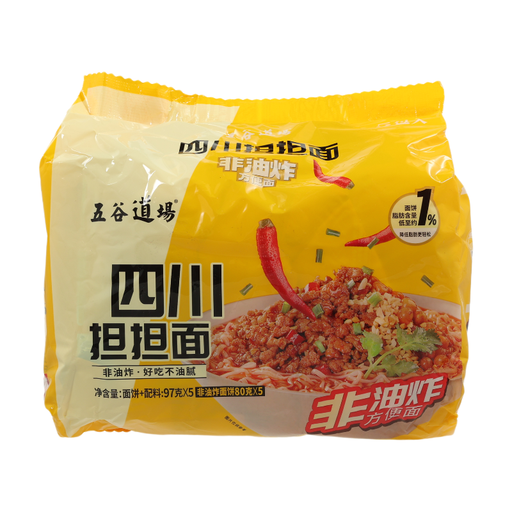
Why it suits this profile: Five individual portions make this an easy introduction to dan dan noodles and Sichuan pepper.
The product information lists a sauce, oil and vegetable sachet and states 97g per portion, so you know exactly what you are buying in advance.
Five portions, preparation in just a few minutes and a clearly stated origin: China.
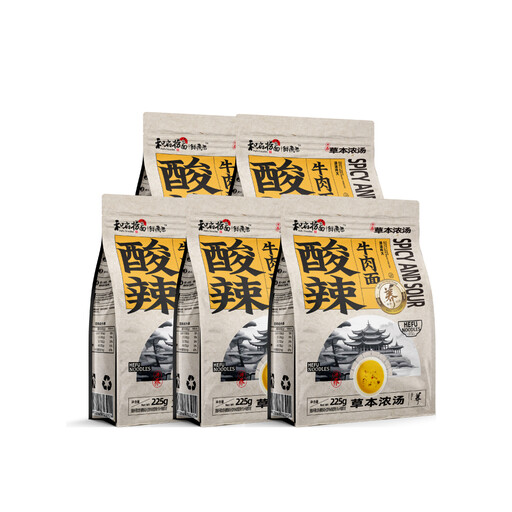
Why it suits this profile: The larger portion and separate stock, beef and vegetable sachets are ideal if you are looking for a more substantial noodle meal.
The packaging states 225g per portion and a cooking time of three to four minutes, making both the portion size and preparation method clear.
Five portions totalling 1.125kg, semi-dried noodles and a stated beef component of 75% in the beef product.
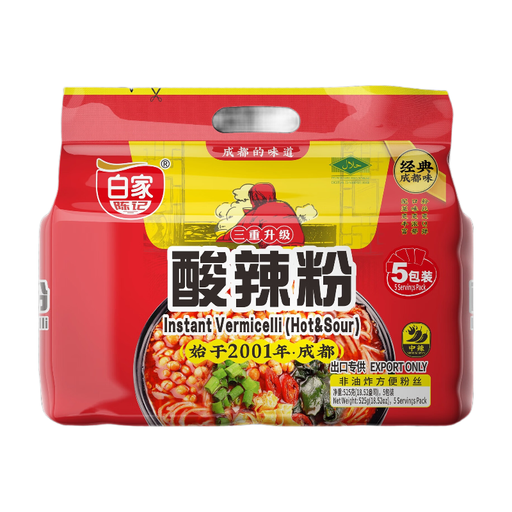
Why it suits this profile: Ideal for fans of sweet-and-sour, spicy vermicelli who want to prepare several portions quickly at home.
The separate oil, powder and vinegar sachets give you control over the flavour, while the instructions clearly specify 105g per portion.
Five portions, sweet potato starch as the main ingredient in the vermicelli and preparation with boiling water in five to six minutes.
We have put together a complete, up-to-date list of products that fully meet these strict selection criteria and the applicable European safety regulations.
The best-before date is shown on the packaging. Store the products in a dry place at room temperature, away from heat and moisture. Do not use a pack if it is damaged. Once opened, oil, sauces and fresh components may deteriorate more quickly, so follow the specific instructions.
No. Korean ramen is often made with wheat noodles and a rich broth with chilli and spices. Chinese instant noodles cover many more styles, including Sichuan dan dan noodles, hotpot noodles, wide noodles and sweet-and-sour vermicelli. The texture, sauce and preparation method can vary considerably.
That depends on the portion size and contents. A portion of around 77 to 105g is often lighter than a 170g or 225g kit containing stock and additional ingredients. Check the nutritional values, allergens and salt per portion, and add vegetables, egg or tofu if you wish.
