
Vandaag of morgen in huis

Kwaliteit gegarandeerd

Welkomstaanbiedingen ontgrendelen: GRATIS bezorging | Tot 80% korting | Gratis 30 dagen JoyPlus-proefperiode
Download de app
The Asian instant noodles aisle can be overwhelming. The packaging screams for attention with exotic flavours and promises of a quick, authentic meal. But all too often, an impulse buy leads to disappointment: a soggy texture, a watery broth, or a flavour that tastes nothing like what you hoped for.
As a Joybuy Product Recommendation Officer, I see the daily struggles consumers face. Before you fill your shopping cart, it's wise to know the most common pitfalls that can cost you money and a good culinary experience.
To make a great choice, you don't need to decipher long ingredient lists. Just pay attention to three simple characteristics that determine if a product is right for you.
The texture of the noodle is crucial to the eating experience. The most common types are:
Instant noodles can be roughly divided into two categories:
For maximum convenience, there are cup noodles, where you only need to pour boiling water into the cup. Perfect for the office or on the go.
Flavour is, of course, personal. Are you looking for a salty, umami-rich broth or the sour and spicy kick of tom yum noodles? For lovers of spicy noodles, there's a whole world to discover, from a mild tingle to the extreme heat that Samyang noodles are famous for.
Based on these criteria, we have selected a few products that suit different preferences and situations.
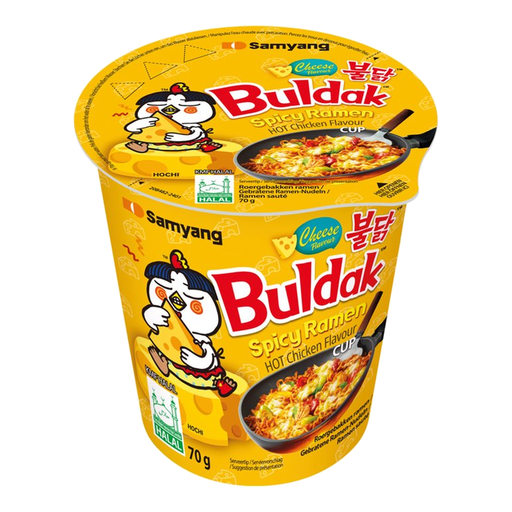
Why This Fits Their Persona: Perfect for those who want to try the famous Korean 'fire noodle challenge', but with a creamy twist. The cheese slightly mellows the heat, making it a great entry point into the world of extremely spicy noodles.
This product delivers the promised intense, authentic Korean spiciness. Not a bland, Westernised version, but the real 'Buldak' flavour Samyang is known for.
Convenient cup version: ready in minutes with no extra dishes. Balanced flavour: the creamy cheese powder balances the sharp pepper taste.
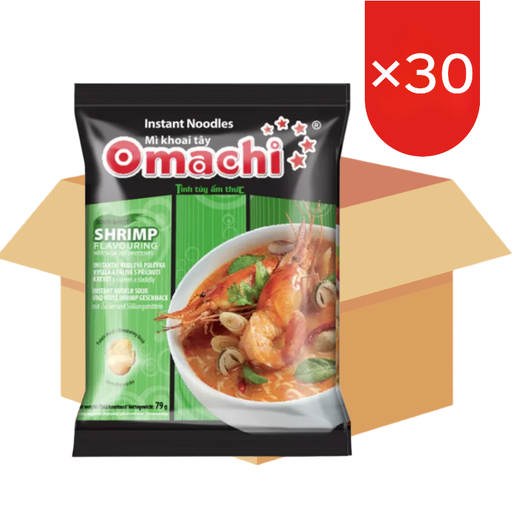
Why This Fits Their Persona: A large box with 30 servings at a competitive price. Ideal for stocking up for quick meals between study sessions. The flavour is approachable and satisfying.
This noodle box avoids the pitfall of expensive single-packet purchases. OMACHI's potato starch noodles don't turn to mush and maintain a pleasant, resilient texture.
Excellent value for money: Low cost per serving. Unique texture: The addition of potato starch creates a smooth and elastic noodle.
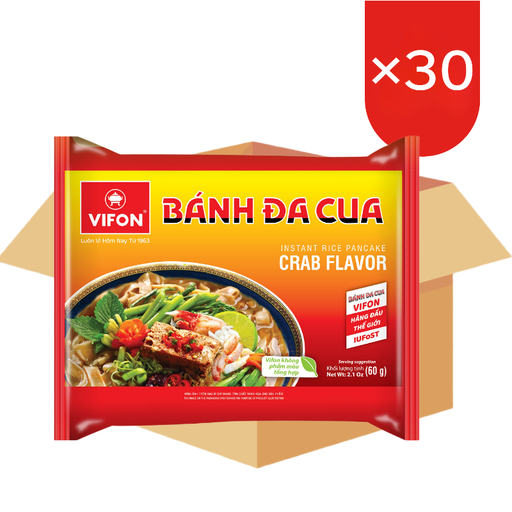
Why This Fits Their Persona: For those who want to look beyond the standard chicken or beef flavour. This product offers the specific taste of Bánh đa Cua, a famous Vietnamese crab noodle soup from Hai Phong.
This is the opposite of a generic, vague "Asian" flavour. It's an attempt to capture a specific, regional specialty in an instant format, resulting in a unique and complex flavour profile.
Authentic regional flavour: A unique seafood broth you won't easily find elsewhere. Soft rice noodles: Perfect for soup and a lighter eating experience.
We've compiled a complete, up-to-date list of products that fully meet these strict selection criteria and regulations.
The easiest way to elevate your instant noodles is by adding fresh ingredients. Consider a soft-boiled egg, some finely chopped spring onions, fresh bean sprouts, a few slices of meat, or some stir-fried vegetables. A dash of soy sauce, sesame oil, or chili oil can also significantly deepen the flavour.
Although the terms are often used interchangeably, there are subtle differences. Both typically use wheat noodles. Japanese ramen often has a more complex and subtle broth, based on dashi, miso, or tonkotsu (pork bones). Korean ramyun is generally known for a more direct, often spicier and more robust flavour.
Yes, in almost all cases. By buying a noodle box, the price per serving drops significantly compared to single packets from the supermarket. Plus, you'll always have a quick and easy meal option at home for busy days or late nights. It's a smart way to save money while building a varied pantry.
