
Vandaag of morgen in huis

Kwaliteit gegarandeerd

Welkomstaanbiedingen ontgrendelen: GRATIS bezorging | Tot 80% korting | Gratis 30 dagen JoyPlus-proefperiode
Download de app
Asian instant noodles are handy for a quick meal, stocking the cupboard or a late-night snack. However, the difference between a good buy and a disappointing purchase is often greater than the packaging suggests. For example, a striking image of chillies says little about the actual heat level, portion size or preparation method.
When shopping, pay particular attention to three common pitfalls:
First check whether you are buying a soup, a dry mix or a microwave meal.
Check the instructions on the product page and packaging. A preparation time of three minutes does not always mean that the meal can be prepared directly in its packaging.
Compare the net weight, number of portions and amount of sauce or toppings. A 120-gram pack is not automatically equivalent to a 120-gram product containing several ingredient sachets.
For regular use, 5-packs can be good value and easy to keep track of. A large format, such as 130 grams × 40 packs, is mainly suitable if you eat one flavour often, share a household or want to build up a supply. Also check the best-before date on the packaging and store dry noodles in a cool, dry place away from direct sunlight.
Always read the ingredients list before buying. Many Asian noodles contain wheat and gluten, and often also soya, sesame, peanuts or celery. Some products also state that the production line handles crustaceans, egg, fish, milk or nuts.
Nutritional values can vary considerably. In the product information provided, for example, the salt content ranges from approximately 2.16 grams to 5.7 grams per 100 grams. This makes a practical difference if you eat instant noodles several times a week. With dry noodles, you can choose not to use all the sauce or chilli oil if you prefer a less intense flavour. This does not change the product information, but it does give you more control over your bowl.
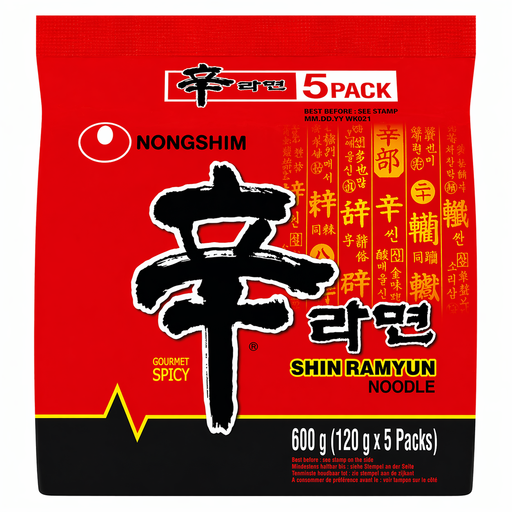
Why it suits this profile: A 5-pack gives you the chance to try Korean ramen without immediately buying a large box. The soup preparation is familiar and suitable for home, study or the office.
The number of portions and net weight are clearly stated. You are therefore buying a sensibly sized multipack rather than an unclear bulk-value pack.
5 × 120 grams, with seasoning powder and vegetable flakes. The product information lists wheat/gluten and soya as allergens.
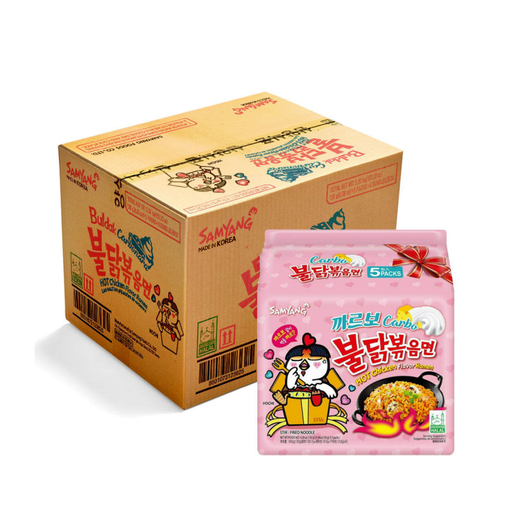
Why it suits this profile: The combination of creamy carbonara flavour and spicy chicken sauce is aimed at lovers of bold Korean flavours. The box contains 40 packs for regular use.
The preparation method makes it clear that most of the water should be drained after cooking, leaving approximately 120 ml. This means it is not a classic noodle soup.
130 grams per pack, five minutes of cooking followed by approximately 30 seconds of mixing. According to the product information, it contains wheat, soya and sesame, among other ingredients.
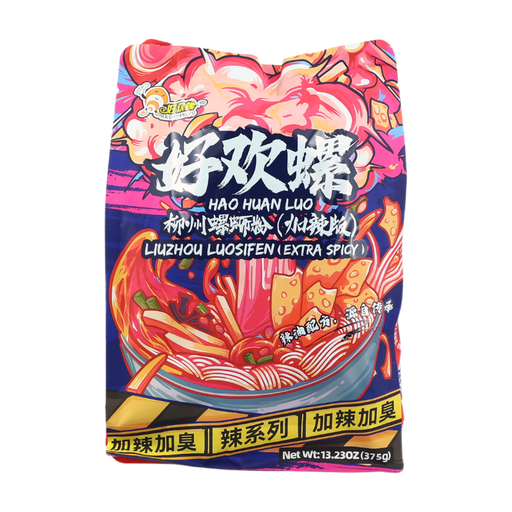
Why it suits this profile: For those looking for more than just a block of noodles. These Luosifen rice noodles contain eight separate ingredient sachets, including pickled bamboo shoots, peanuts and fried tofu.
The toppings and flavourings are packaged separately. This means you can adjust the amount of chilli oil and other ingredients more easily than with a single mixed sauce.
375 grams per pack, with rice noodles and multiple toppings. Preparation involves cooking the noodles and making the stock separately.
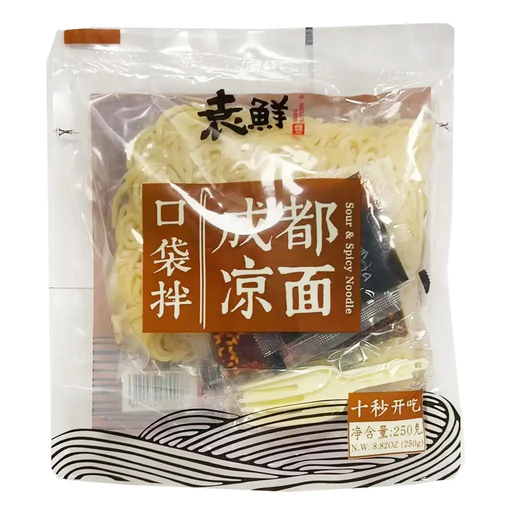
Why it suits this profile: This portable mix is designed for anyone wanting to try a cold, spicy noodle meal with Sichuan pepper, chilli oil and vinegar without making soup.
According to the product description, the noodles are already pre-cooked. Simply open the packaging and mix the noodles with the sauce and toppings, so you do not need a saucepan.
250 grams, a portable format and a combination of chilli oil, vinegar and Sichuan pepper. Contains wheat, soya, peanuts and sesame.
We have put together a complete, up-to-date list of products that fully meet these strict selection criteria and the applicable European safety regulations.
Follow the instructions on the packaging. With ramen, you will often cook the noodle block in water for a few minutes. Dry spicy noodles are usually drained afterwards and mixed with sauce. With a microwave bowl, such as some udon noodles, add the stated amount of water and only use packaging that is microwave-safe.
The exact best-before date is printed on the packaging. Store unopened products in a cool, dry place away from sunlight and moisture. Do not use a pack if it is damaged. After opening or mixing, many products should be eaten immediately; always check the label first.
Not necessarily. Flavour intensity varies by product, and some varieties contain chilli oil, Sichuan pepper or highly concentrated sauce. Also check for allergens such as gluten, soya, sesame and peanuts. If you prefer milder flavours, products with separate sachets allow you to start with a smaller amount of chilli oil or sauce.
