
Livraison le jour même et le lendemain

Qualité garantie

Débloquez vos offres de bienvenue: Livraison GRATUITE | Jusqu'à -80 % | 30 jours d'essai gratuits à JoyPlus
Téléchargez l'application
When you browse an Asian supermarket online, the selection of instant noodles can be overwhelming. The colourful packaging promises a quick, authentic, and flavourful meal. But sometimes, the reality is a soggy letdown. Many people fall into the same traps: a product that looks better on the photo than it does in reality, or a flavour that completely misses the mark. Before you fill your digital shopping cart, it's wise to know what to look for.
Here are the most common pitfalls when buying Asian instant noodles and how you can avoid them.
To make a great choice, you don't need to decipher ingredient lists from A to Z. Pay attention to the following three practical points to get what you expect.
This is the most important factor. Decide whether you're in the mood for a noodle soup or a stir-fry dish.
Not all noodles are created equal. The type of noodle determines the 'bite' and how well it absorbs the sauce.
The contents of the flavour packets say a lot about the quality and complexity of the taste.
To help you get started, we've highlighted a few popular choices that suit different preferences.
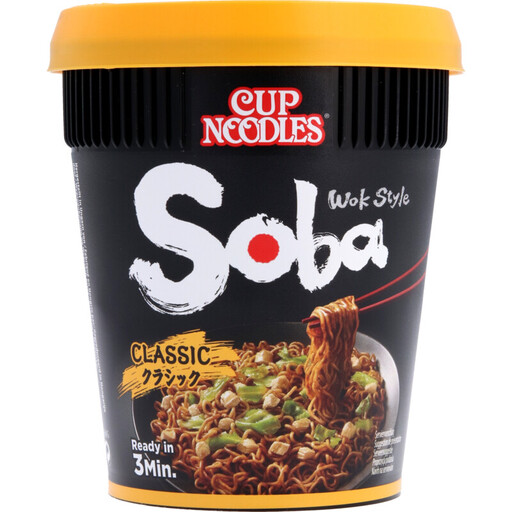
Why This Fits Their Persona: Ideal for students or professionals who want a quick, reliable, and flavourful lunch without the hassle. The cup format is perfect for the office or a dorm room where you only have a kettle.
This is a 'dry' noodle in a specially designed draining cup. The instructions are clear, making the chance of a watery mess virtually zero. The classic flavour is savoury and not unexpectedly spicy.
Ready in 3 minutes with a convenient draining system. The yakisoba sauce and dried vegetables provide a complete flavour without needing extra ingredients.
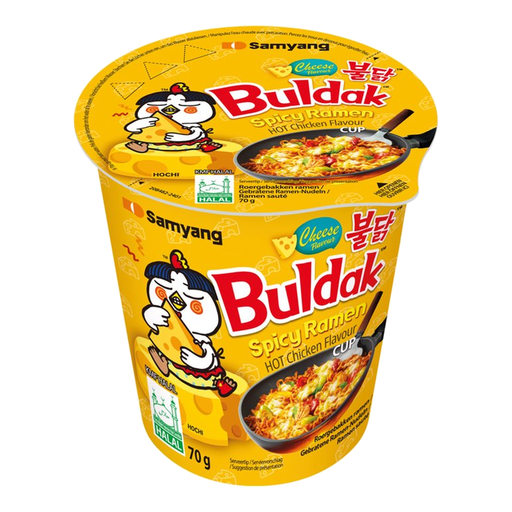
Why This Fits Their Persona: For the adventurous eater who wants to try the famous 'fire noodle challenge'. This version combines the intense heat of Samyang's Buldak sauce with the creaminess of cheese, which slightly mellows the spice and creates a popular flavour combination.
The name "Hot Chicken" and the Samyang brand are clear indicators of spiciness. This is no unexpected surprise. The addition of cheese is explicitly mentioned, so you know exactly what flavour to expect.
Offers the iconic spicy flavour of Samyang buldak in a convenient cup noodles format. The cheese powder provides a creamy balance to the heat.
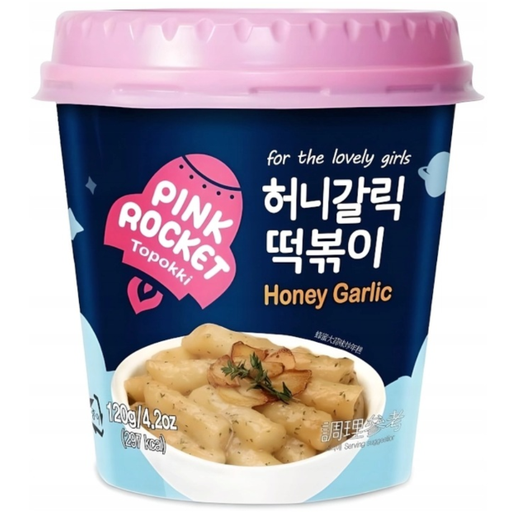
Why This Fits Their Persona: For those who want something different from noodles. Tteokbokki offers a unique, chewy texture that is very different from ramen. This sweet-savoury honey garlic flavour is approachable and not too spicy.
This is clearly not a noodle soup, so the pitfalls of a bland broth or incorrect preparation don't apply. The cup format and clear instructions (add water and microwave) make preparation simple.
An authentic Korean street food experience in a convenient cup. The soft rice cakes and sweet-savoury sauce offer a completely different texture and flavour from traditional instant noodles.
Choosing the right Asian instant meal is a matter of taste and having the right information. Now that you know what to look for, you can make a better choice. Check out our full, up-to-date selection.
The easiest way to elevate your quick meal is by adding fresh ingredients. A soft-boiled or fried egg, some finely chopped spring onions, a few slices of shiitake mushrooms, or a sheet of nori (toasted seaweed) make a huge difference. Leftover chicken, tofu, or vegetables also work great. A dash of soy sauce or sesame oil in the broth can further deepen the flavour.
Although the terms are often used interchangeably, there is a slight difference. Japanese ramen usually refers to the dish as you would get it in a restaurant, with a broth that has simmered for hours. Korean ramyun (or ramyeon) is the Korean term for instant noodles. Generally, Korean ramyun is known for its firmer, springier noodles and often spicier, more robust flavour profiles.
No, definitely not. Although spicy varieties like Samyang buldak get a lot of international attention, there is a huge range of mild Korean noodles. Popular mild options include Jjajangmyeon (noodles in a thick, black bean sauce) or the mild versions of brands like Nongshim and Ottogi. Pay attention to the packaging; the spiciness is often indicated with a scale or a number of chilli peppers.
