
Vandaag of morgen in huis

Kwaliteit gegarandeerd

Welkomstaanbiedingen ontgrendelen: GRATIS bezorging | Tot 80% korting | Gratis 30 dagen JoyPlus-proefperiode
Download de app
The Asian instant noodle aisle can be overwhelming. The colourful packaging promises an authentic, flavourful, and often spicy meal. But the reality can sometimes be a disappointment: soggy noodles, a watery broth, or a spiciness that's nowhere to be found. If you're looking for a quick, tasty meal, you don't want to waste money on products that don't deliver on their promise.
Before you buy any noodles, it's good to know the most common pitfalls:
spicy noodles will suit your taste.To avoid a bad purchase, it's helpful to pay attention to a few specific details. These determine the flavour, texture, and overall experience of your quick meal.
Not all noodles are created equal. The most common type in instant varieties is made from wheat, often fried for quick cooking and a longer shelf life. These typically have a firm, springy texture, like the kind you know from classic Korean ramen.
There are also non-fried noodles. These often have a lighter and "cleaner" taste. Additionally, you'll increasingly see noodles made from other grains, such as rice noodles (easier to digest and often gluten-free) or buckwheat noodles, which have a more earthy flavour and a different texture.
This is a crucial distinction. Are you looking for a heartwarming noodle soup or a dry, sauce-coated stir-fried noodle?
buldak (fire chicken) noodles from brands like Samyang and Komeya are a prime example.Look beyond the noodles themselves. The flavour packets make all the difference. A simple powder sachet provides a basic broth. More complete packages often contain:
To help you choose, we've matched some popular options to different preferences. This selection is based on product specifications and the intended flavour experience.
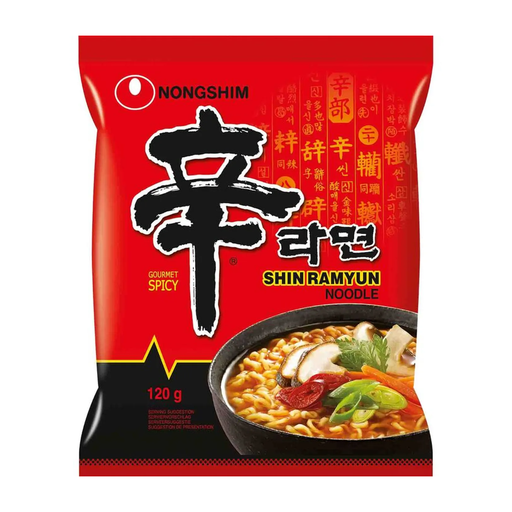
Why This Fits Their Persona: A globally renowned Korean ramen that offers a perfect balance between a savoury broth and a pleasant spiciness. Ideal for those seeking an authentic, but not extreme, flavour experience as an entry into the world of `spicy ramen`.
The spiciness is consistent, and the springy noodles don't get mushy, which is a common problem. The flavour is a reliable standard in the world of instant noodles.
Firm, thick noodles with a great bite. Rich, savoury broth with a distinct mushroom and beef flavour. Includes a packet of dried vegetables.
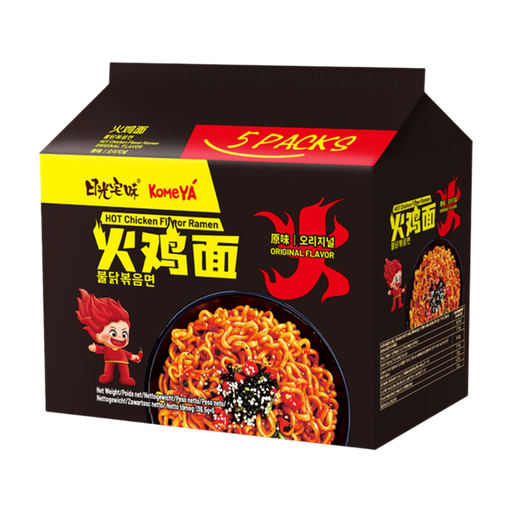
Why This Fits Their Persona: Specifically for those seeking the intense, challenging heat of Korean 'fire noodles'. The sweet and spicy sauce is characteristic of the popular `buldak` trend and delivers a long-lasting, tingling heat.
The name and style make it immediately clear that this is a very spicy, dry stir-fry noodle, not a mild soup. The instruction to drain the noodles prevents a watery result.
Intense and complex spiciness. Comes with a separate sauce and a topping of sesame and seaweed for extra texture and flavour.
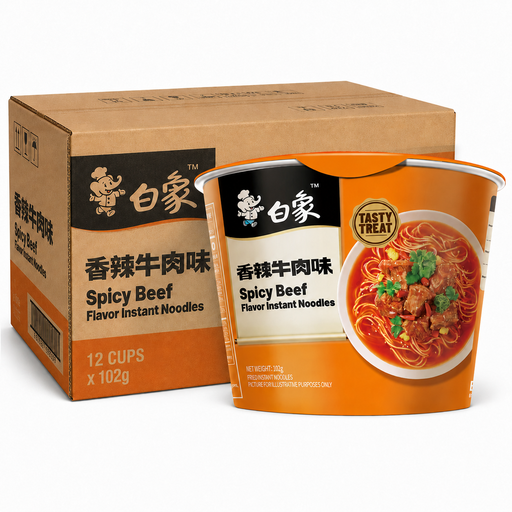
Why This Fits Their Persona: Perfect for a quick meal at the office, while studying, or at home without the fuss. These `cup noodles` are complete with vegetables and a rich broth, ready by just adding boiling water.
The cup packaging makes it immediately clear that this is all about convenience. The description emphasizes the "abundant toppings," which meets the expectation of a complete meal.
Extremely quick and easy, no extra pans needed. The umami-rich beef broth offers a full, layered flavour that isn't overly spicy.
We have compiled a complete, up-to-date list of products that meet these selection criteria and current regulations.
Instant noodles are a great base that you can easily elevate. For example, add a soft-boiled or fried egg, some finely chopped scallions, a slice of American cheese (a popular Korean addition), or some leftover vegetables or meat. A dash of sesame oil or soy sauce can also deepen the flavour.
Although there is a lot of variety, Korean ramen often has a distinctly spicy and savoury flavour, with a base of gochujang (chilli paste) or kimchi. The noodles are usually thick and springy. Chinese noodles have a broader range of flavours, from the numbing spiciness of Sichuan style (mala) to rich, savoury beef broths. The noodle types also vary greatly, from thin vermicelli to wide, flat noodles.
Definitely not. Although spicy noodles are very popular, there is a huge range of mild flavours available. Think tonkotsu (pork bone broth), miso, sesame, or savoury chicken and beef soups. If you don't like spicy food, there are plenty of other authentic flavours to discover.
