
Vandaag of morgen in huis

Kwaliteit gegarandeerd

Welkomstaanbiedingen ontgrendelen: GRATIS bezorging | Tot 80% korting | Gratis 30 dagen JoyPlus-proefperiode
Download de app
A quick bowl of noodles is handy at home, in the office or on the go. However, Asian instant noodles can vary significantly in portion size, flavour, preparation method and ingredients. Eye-catching packaging does not always tell you enough about what you are buying. If you only look at the country, image or flavour name, you could end up with a portion that is too small, an unsuitable allergen list or a flavour that is far spicier than expected.
With this practical guide, you can focus on the points that really matter in the Netherlands: the packaging, preparation method, ingredients, nutritional information and occasion.
A tall cup or wide bowl may look generously sized, while the net contents remain limited. A portion of 62 to 70 grams is usually intended for a different occasion than a 100 to 114-gram bowl. So always check the net weight, rather than relying solely on the size of the packaging.
For a light snack, instant noodles in a cup may be sufficient. For lunch or dinner, a larger bowl, extra vegetables or a protein-rich topping may be more suitable for the occasion.
A flavour name does not automatically mean that the named ingredient is present in a substantial amount. For example, the Uni-President Shrimp Fish Bowl states that dried prawn and fish cake are included, but the specified quantity is minimal. In other products, the flavour mainly comes from herbs, flavourings or stock powder.
So read the ingredients list and the quantitative declaration. If you expect real pieces of chicken, beef or prawns, it is wise to check the product description and packaging beforehand.
Korean ramen is often spicy and full of seasoning, while Japanese noodles may also come with a mild soy-based stock or a dry yakisoba sauce. Thai noodles often feature sweet-and-sour, chilli or fish-sauce-style flavour profiles. A Vietnamese noodle soup such as pho typically contains rice noodles and spices such as cinnamon, cloves and aniseed.
So look at the country of origin, type of noodle and preparation method. This helps prevent you from buying a soup variety when you are actually looking for stir-fry noodles.
Pay attention to this practical breakdown:
For multipacks, check that both the weight per portion and the number of items are clearly stated. A box containing 12 bowls is practical, but less suitable if you want to try several different flavours first.
Most instant noodles in cups or bowls are ready with boiling water. However, the required time varies:
Always follow the instructions on the packaging. Do not put a cardboard or plastic cup in the microwave unless this is explicitly permitted. Take care when handling boiling water, especially when children are preparing the meal.
Wheat and soya are found in many products. Other possible allergens include fish, crustaceans, sesame, egg, milk, mustard and buckwheat. For example, Nissin Japanese Soba Noodles Cup Classic lists buckwheat alongside wheat and soya. Oyakata Pad Thai Chicken contains, among other things, fish, egg and milk.
Also compare the nutritional values per 100 grams and, where possible, per full portion. The stated values vary from product to product. Nongshim Shin Cup, for example, lists 430 kcal and 3.0 grams of salt per 100 grams, while Vifon Pho Bo lists 8.0 grams of salt per 100 grams. These are product specifications, not general characteristics of all instant noodles.
The packaging shown on the website may differ from the physical packaging. Therefore, before consuming the product, always check the current ingredients, allergens, preparation method and best-before date on the product itself.
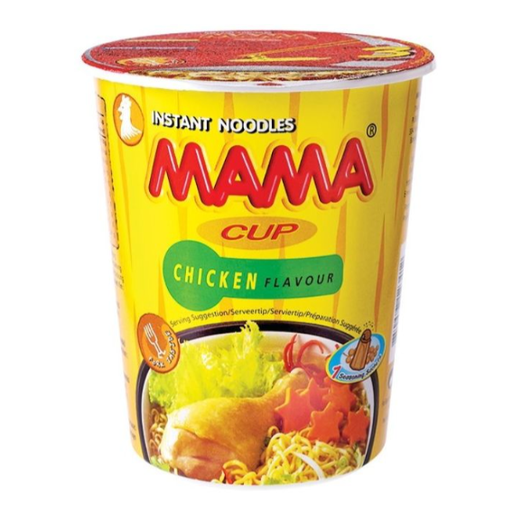
Why it suits this profile: This cup is easy to prepare with hot water and has a clear preparation time of 3 to 5 minutes. That makes it suitable for students, smaller households and anyone who wants to try a Thai flavour first.
The 70-gram net weight makes the portion easier to compare than relying on the cup’s appearance alone. The ingredients and allergen information list wheat and soya.
Thai origin, 70 grams per cup and no-pan preparation. Not suitable for microwave use according to the product instructions.
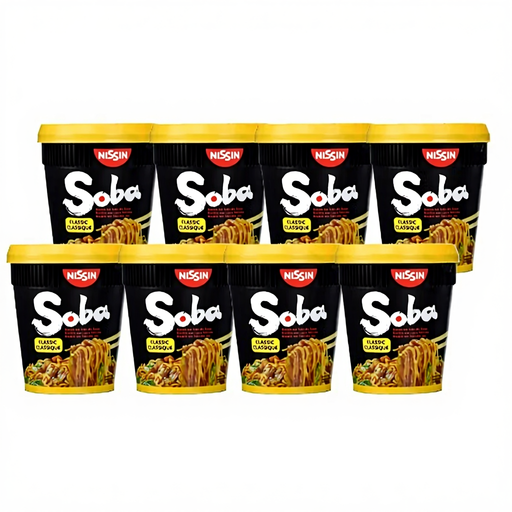
Why it suits this profile: This multipack contains eight 90-gram portions and a Japanese soba variety made with wheat, buckwheat and soya. The separate seasoning makes preparation straightforward.
The product information states that this is a soya-based broth and that the cup is ready after 3 minutes. It is therefore not a hidden stir-fry variety.
Multipack with 8 × 90 grams, Japanese soba noodles and a preparation time of approximately 3 minutes.
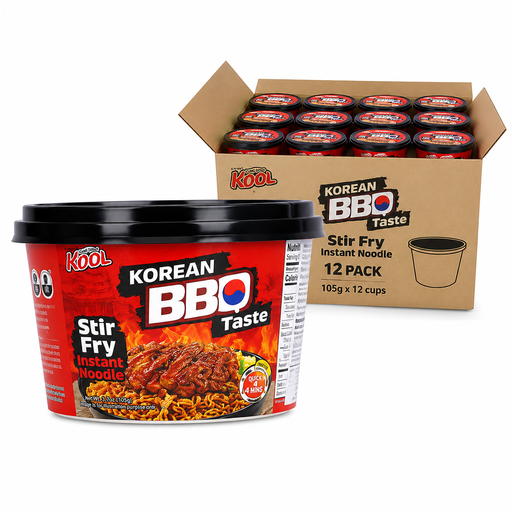
Why it suits this profile: The box contains 12 bowls of 105 grams. This is practical for offices, families, student accommodation or anyone who regularly needs a quick meal.
The packaging clearly states 12 × 105 grams. The preparation method calls for approximately 300 ml of hot water and 2 to 3 minutes of soaking.
Multipack with individual bowls, Korean BBQ-inspired stir-fry sauce and a short preparation time.
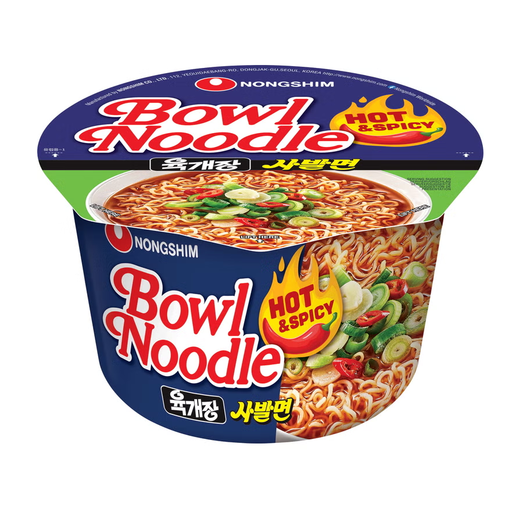
Why it suits this profile: The 100-gram bowl combines a larger portion with an explicitly hot & spicy flavour profile. This makes it a good choice for fans of hearty Korean ramen.
The product name clearly highlights the spiciness. The preparation method states that it needs 4 to 5 minutes of soaking, while the ingredients list includes wheat, soya and other possible allergens.
100 grams per bowl, dried vegetable garnish and a spicy Korean broth.
We have put together a complete, up-to-date list of products that fully meet these strict selection criteria and the applicable European safety regulations.
Open the packaging according to the instructions, add the seasonings or set them aside, then pour in the stated amount of boiling water. Close the cup or bowl and wait for the specified time. Stir well and eat immediately. The exact amount of water and waiting time varies from product to product.
The best-before date is shown on the packaging. Store unopened instant noodles in a dry, cool place away from direct sunlight. Do not use the packaging if it is damaged. Check the physical packaging after purchase, as the date and information may vary between batches.
That depends on the price per portion, net weight and number of items. For a multipack, calculate the price per cup or per 100 grams. A multipack of instant noodles can be practical if you use them regularly, while an individual cup offers more flexibility when you want to compare flavours.
