
Livraison le jour même et le lendemain

Qualité garantie

Débloquez vos offres de bienvenue: Livraison GRATUITE | Jusqu'à -80 % | 30 jours d'essai gratuits à JoyPlus
Téléchargez l'application
Asian instant noodles are handy for a quick lunch, late-night snack or simple evening meal. Even so, packaging in a supermarket or online shop can give a misleading impression. A large bowl does not automatically mean a large portion, a prominent chilli image says little about the actual heat level, and “ready in minutes” can refer to different preparation times.
As a Joybuy Product Recommendation Officer, I filter product information based on practical details: ingredients, net quantity, allergens, preparation method and pack size. This helps you compare Korean ramen, Chinese instant noodles, rice noodles and other noodle meals based on features you can actually verify.
Terms such as “hot”, “spicy”, Buldak ramen and Mala Tang suggest a clear flavour profile, but they do not form a standard European scale. The experience also depends on how much sauce, oil and seasoning you add.
With dry spicy noodles, such as some Korean ramen, the sauce clings to the noodles. This can make the flavour seem more intense than in a noodle soup where the seasoning is diluted with water. With Mala noodles, Sichuan pepper also creates a tingling or numbing sensation in the mouth. That is different from chilli heat alone.
A multipack of instant noodles may appear attractively priced, but always check the weight per portion. Samyang packs, for example, often contain 130 to 145 grams per packet, while a cup noodle product may contain around 72 grams. A box of 24 cups is convenient for keeping in stock, but takes up more cupboard space.
So compare:
Some instant ramen only needs boiling water poured over it. Other products need to be boiled, drained and then mixed with sauce. According to the product information, Luobawang Snail Noodles, for example, requires 8 to 10 minutes of cooking time for the rice noodles and around 400 ml of water for the broth.
Also check the packaging of an opened product. Several of the products described advise consuming the meal immediately after preparation. Storing it in a cool, dry place before opening is not the same as storing it after sauce or water has been added.
Chinese instant noodles, such as broad noodles, often have a firm, springy texture and are mixed with oil and seasoning after soaking. Baijia A'KUAN Broad Noodle Spicy Hot Flavor has broad noodles and a preparation time of 5 to 6 minutes with boiling water.
Korean ramen is often thicker and regularly eaten as dry, stir-fried noodles. With Samyang Buldak products, you generally cook the noodles first and then add the sauce and powder.
Noodle soup remains in the cooking liquid. According to the product description, a cup such as NISSIN Cup Noodles Spicy Seafood Flavour is ready after soaking for 3 minutes. This makes it suitable for the office, student accommodation or eating on the go, provided you have access to boiling water.
Always check the label, particularly for gluten, soya, milk, peanuts, sesame and celery. Recipes vary between flavours, even within the same brand. According to the product information, Samyang Buldak Carbonara contains gluten, soya and milk, among other ingredients. Yuan Xian Mala Tang lists soya, peanuts and sesame.
Also pay attention to salt per 100 grams and per portion. The values on the label are objective product details, but the total amount may change when you add extra sauce, toppings or broth. Adding egg, tofu, pak choi or other vegetables also changes the overall nutritional value of the meal.
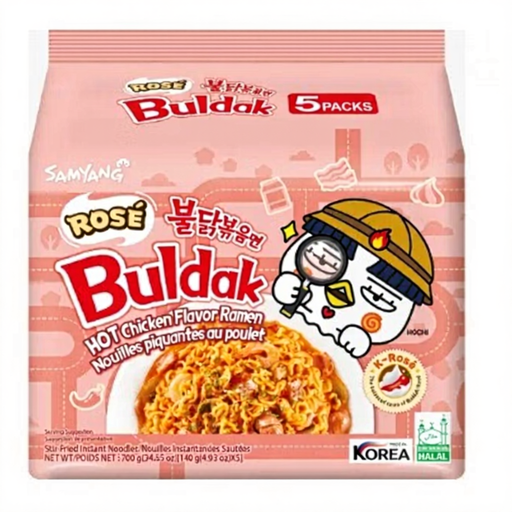
Why it suits this profile: A five-pack is practical when you want to plan several quick meals without buying a large box straight away.
The pack size clearly states 5 × 140 grams. The product information also lists milk, soya and wheat, allowing you to check the allergens in advance.
Five individual 140-gram portions; according to the product description, suitable for combining with cheese, vegetables and other toppings.
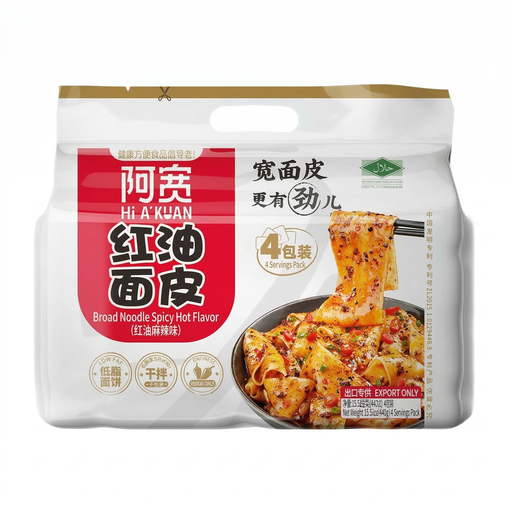
Why it suits this profile: Ideal for lovers of broad Chinese noodles served with sauce rather than as a classic soup.
The preparation instructions specify soaking for 5–6 minutes and then draining thoroughly. This removes any uncertainty about how to prepare it correctly.
440 grams total weight; broad noodles; sauce and seasoning sachets; wheat and soya allergens are listed.
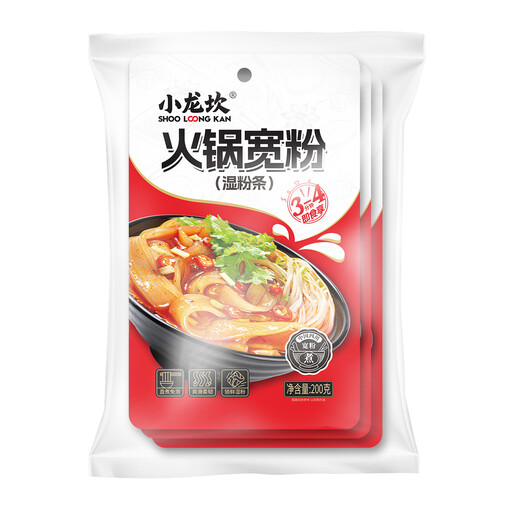
Why it suits this profile: A useful base for hotpot, Mala Tang and homemade noodle soup, where you choose the broth and toppings yourself.
This is not a complete seasoned meal. You are deliberately buying noodles only, allowing you to control the amount of oil, chilli and broth yourself.
3 bags of 200 grams; made with sweet potato and tapioca starch; according to the product information, contains no fat or protein per 100 grams.
We have put together a complete, up-to-date list of products that fully meet these strict selection criteria and the applicable European safety regulations.
A packet or cup is not always intended to be a complete meal. Add pak choi, spring onion, egg, tofu, chicken or mushrooms to taste. With dry Korean ramen, you can use just a small amount of the sauce if you prefer a milder flavour. With noodle soup, you can add extra hot water, but check that the broth does not become too diluted.
When adding toppings, pay attention to the allergens in the base products. Peanuts, sesame, soya and milk are common in Asian sauces and seasoning mixes. Read the current packaging before preparation, as ingredients and labels may change.
According to the product instructions, unopened dry instant noodles should be stored in a cool, dry place away from direct sunlight. The exact best-before date is shown on the packaging. After preparation, the products described advise consuming them immediately, so do not store a mixed portion again.
No. Korean ramen, such as Buldak ramen, is a well-known category, but spicy noodles are also available in Chinese and South-East Asian varieties. Chinese Mala Tang often combines chilli with Sichuan pepper, while Luosifen can be sour, aromatic and spicy. Check the noodle type, sauce and preparation method for each product.
This depends on the number of items, weight per portion, packaging and toppings required. A multipack of instant noodles often has a lower price per portion than individual cups, but a cup can be more convenient for work or eating on the go. Divide the total price by the number of portions, then compare the net weight as well.
