
Vandaag of morgen in huis

Kwaliteit gegarandeerd

Welkomstaanbiedingen ontgrendelen: GRATIS bezorging | Tot 80% korting | Gratis 30 dagen JoyPlus-proefperiode
Download de app
An instant noodle box may seem simple to choose at first glance. However, there are clear differences in flavour, preparation method, portion size, packaging and shelf life. If you only look at the lowest price per box, you could end up with noodles that are too spicy, unsuitable for dietary requirements or left in storage for longer than planned.
This applies to students and families, as well as offices, caterers, restaurants and retailers. With these practical selection tips, you can compare Asian instant noodles in bulk in a way that suits your needs.
A box with 40 portions is not automatically better value than a multipack with 20 larger portions. Always compare the net weight per portion and the total quantity. For example, a box with 40 packets of 75 grams contains less product than a box with 24 packets of 127 grams.
Words such as “hot”, “tom yum”, “seafood” or “carbonara” indicate a flavour direction, but do not tell you exactly how spicy, salty or creamy the noodles are. Check the ingredients and nutritional information. In some products, the flavour comes in several sachets, such as oil, powder and sauce. This affects both preparation and intensity.
Asian noodles often contain wheat, soya, fish, crustaceans, milk, mustard or sesame. Production sites may also handle multiple allergens. Therefore, always read the label on the packaging you receive. Product information on a website may change; the packaging remains the definitive source.
Also check the country of origin and the responsible importer in the EU. This is relevant for consumers and business buyers who need to pass the information on to their customers.
Look at these three details:
A box of 30 × 100 grams is practical for stock management and portion control. A box of 20 × 137 grams contains more product per portion and may be better suited to a substantial meal. For an office or event, it is also useful to know how many individual portions are available.
Not every instant noodle product works in the same way. Packets usually require a pan or bowl of hot water. Bowl noodles are more convenient in the office, on the go or in locations without a kitchen. Check:
For example, Samyang Buldak Carbonara is cooked according to the product instructions, mostly drained and then mixed with the sauce. According to the product description, MAMA noodles can be prepared in a bowl with approximately 350 to 400 ml of boiling water.
Compare the nutritional values per 100 grams, not just per portion. Pay particular attention to salt, fat and saturated fat when comparing several varieties. This does not automatically make a product unsuitable, but it does help you choose an option that fits daily use or occasional consumption.
Also check the flavour base. Indomie Mi Goreng is a dry preparation with sweet soya sauce, oil and seasoning. Korean ramen such as Nongshim and Samyang often has a spicy or savoury base. Thai instant noodles from MAMA place more emphasis on tom yum, prawn or pork flavours. Vietnamese rice noodles offer a different, softer texture from wheat noodles.
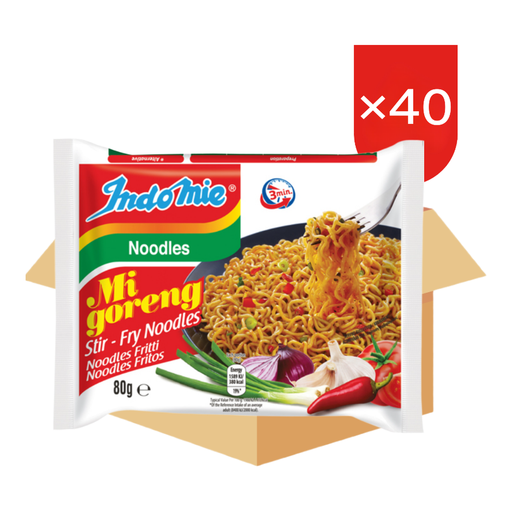
Why it suits this profile: The box contains 40 individual portions of 80 grams. The familiar dry Mi Goreng preparation does not require a large quantity of stock.
The number of packets and weight per packet are clearly stated. However, check the allergens present, such as wheat, soya and sesame.
40 individual packs; dry preparation with seasoning, oil and sweet soya sauce.
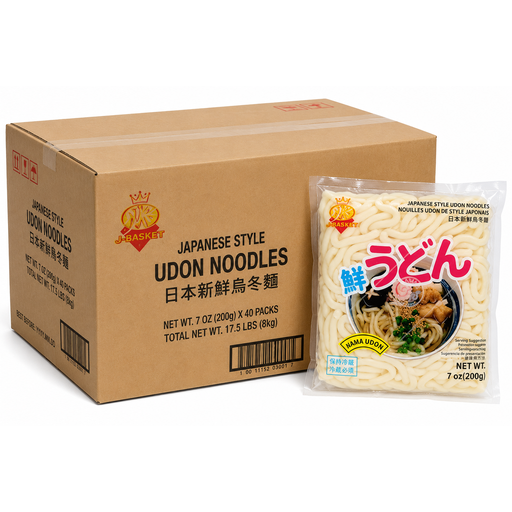
Why it suits this profile: If you are looking for a different texture from standard instant ramen, this product offers fresh Japanese udon in individual portions.
The product description states that there are 30 packs of 200 grams. Before buying, check the best-before date and storage conditions, as this is fresh udon.
200 grams per portion; suitable for soup, stir-fries and cold noodle salads.
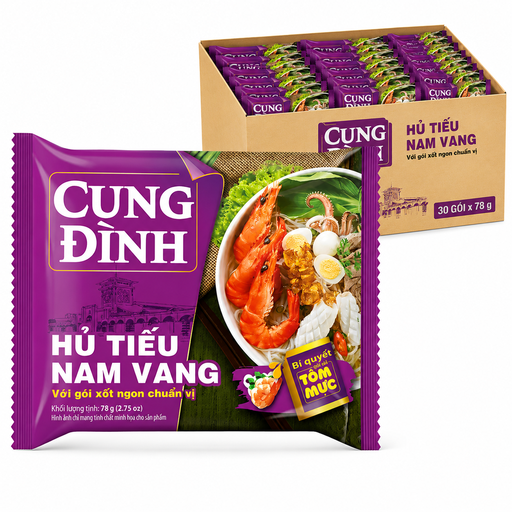
Why it suits this profile: These Vietnamese rice noodles are suitable for business stock, catering and households looking for a soft rice noodle texture.
The box contains 30 portions and the preparation method is clearly specified: approximately 400 ml of boiling water and three minutes of standing time. Pay attention to the listed allergens, including fish, prawn, soya and milk.
30 individual packs; rice noodles with seasoning, oil and dried vegetables.
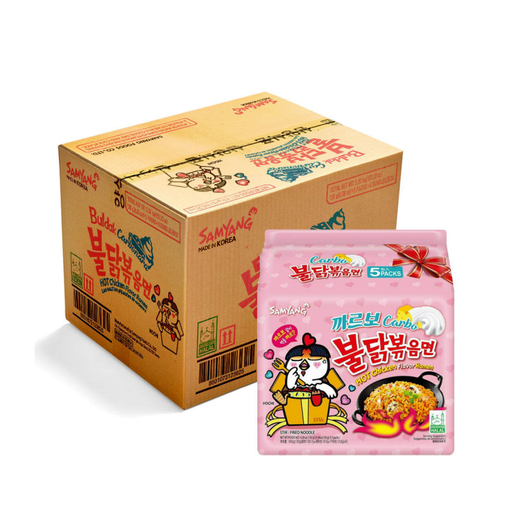
Why it suits this profile: This large box is aimed at fans of Korean ramen with a distinctly spicy sauce and creamy carbonara flavour.
The preparation instructions specify cooking, mostly draining and mixing with the sauce. Check the high level of spiciness and extensive allergen list beforehand.
40 portions of 130 grams; substantial noodles with separate sauce and seasoning sachets.
We have put together a complete, up-to-date list of products that fully meet these strict selection criteria and the applicable European safety regulations.
Shelf life varies by product and batch. Check the best-before date on the packaging. Store the boxes according to the stated conditions and do not use damaged packs. Fresh udon may have a different storage period from dried ramen.
Buying in bulk can reduce the price per portion, but always compare the total net quantity, delivery costs and portion size. A box with more packets is not always better value when each packet is considerably smaller.
Packets such as Indomie, MAMA or Cung Dình are practical when a bowl and boiling water are available. Bowl noodles are more convenient if employees do not want to use a pan. Check the required amount of water, soaking time and presence of allergens beforehand.
