
Vandaag of morgen in huis

Kwaliteit gegarandeerd

Welkomstaanbiedingen ontgrendelen: GRATIS bezorging | Tot 80% korting | Gratis 30 dagen JoyPlus-proefperiode
Download de app
Fancy Asian instant noodles, but overwhelmed by all the flavours, formats and brands? A quick meal can be handy on a busy working day, in a student room or as a late-night snack. However, there are clear differences between Chinese instant noodles, Korean instant ramen, Japanese noodle cups and dry noodle snacks.
The packaging does not always tell you the whole story, either. So pay particular attention to the preparation method, portion size, allergens and amount of seasoning. This will help you avoid buying a product that is too spicy, not filling enough or inconvenient to take with you.
Terms such as “hot”, “fire” or “spicy” do not tell you exactly how much chilli to expect. A product containing chilli can also taste sour, sweet, aromatic or creamy. Korean noodles with cheese, for example, have a different flavour profile from Chinese hot and sour noodles with vinegar and chilli oil.
So check whether the packaging contains separate sachets. With a separate chilli or oil portion, you can adjust the intensity to some extent. Products where the sauce is already fully mixed give you less control.
Not every pack containing noodles is intended to be served as a bowl of noodles. Dry wheat-gluten strips and crushed ramen are usually Asian snacks that you eat straight from the packet. A noodle cup or bag containing soup base is intended to be prepared with hot water.
So check the net weight and preparation instructions. A small cup of around 70 g is practical as a snack, while a pack weighing 245 to 278 g generally leaves more room for extra vegetables, egg or tofu.
A multipack of instant noodles may seem good value, but always check the number of portions. A box containing 24 portions is suitable for a cupboard or shared household, but less convenient if you want to try different flavours. Also check the best-before date, storage conditions and whether the packaging is damaged.
The preparation method determines where you can use the product:
Check the exact cooking time on the packaging. Examples in the range vary from around 2 to 5 minutes.
The base noodle has a major impact on the bite. Wheat noodles are often firm and elastic. Sweet potato noodles have a smoother, chewier texture and are often used for hot and sour noodles. Wide noodles hold relatively more sauce, while thin noodles cook more quickly.
With stir-fry noodles such as udon, the sauce is often intended to be mixed through the noodles after cooking or stir-frying. Also check whether a product is called “soba” but is made entirely from wheat according to the product information; the name does not automatically mean it contains buckwheat.
Read the ingredients list before ordering. Many varieties contain wheat, gluten, soya or sesame. Other products also contain milk, peanuts, mustard or celery. This is particularly important with noodles featuring cheese, satay flavour or several seasoning sachets.
Also compare the nutritional values per 100 g and per pack. A large pack may contain multiple portions. The amount of salt varies from product to product and depends partly on how much sauce, oil or powder you add. If in doubt, do not use all the seasoning sachets at once, and add vegetables, egg or tofu for a more complete bowl.
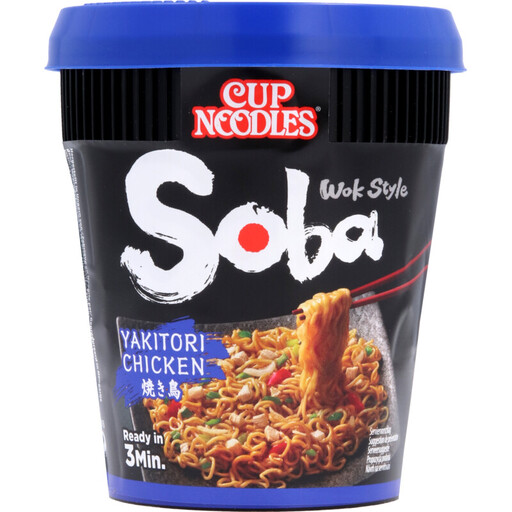
Why it suits this profile: According to the product description, this 90 g portion is ready in around 3 minutes and can be eaten as a snack or meal. The draining method is straightforward for beginners.
The packaging clearly states that these are not soup noodles. This means you know in advance that you need to drain the water and mix in the sauce.
Compact portion, quick preparation and teriyaki sauce instead of a separate soup base. Contains wheat and soya.
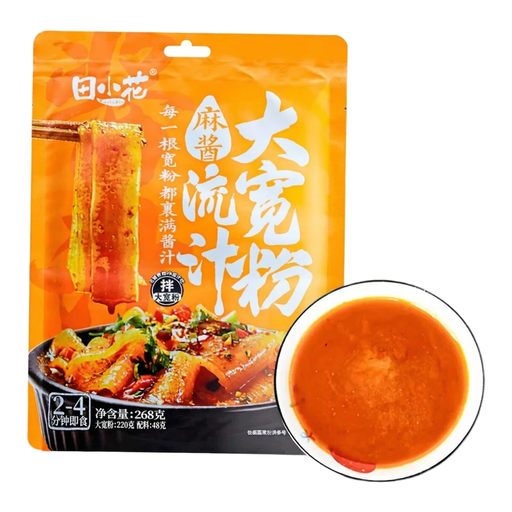
Why it suits this profile: The wide potato noodles come with separate sachets of sesame paste, vinegar, vegetables and oil. This gives you more control over the final flavour.
The product information specifies a preparation time of 3 to 4 minutes and lists the separate flavour components. You do not have to guess how much sauce to use.
268 g, wide chewy noodles and several seasoning sachets. Contains soya and sesame; check the label if you have allergies.
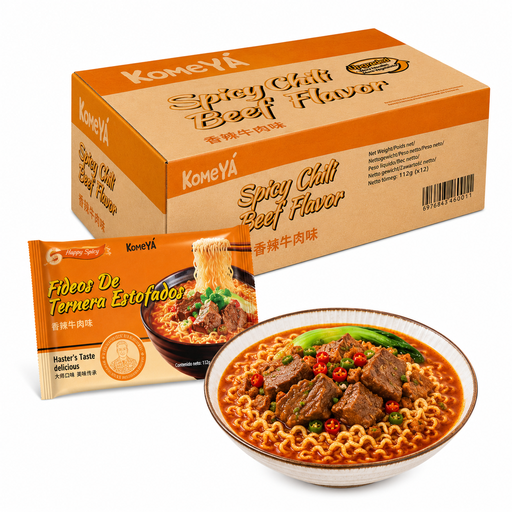
Why it suits this profile: The multipack of 24 bags is ideal for households, offices and fans who want to stock up on spicy noodles regularly.
By checking the quantity per box, you know in advance that this is a stock-up option rather than a single trial pack. The three seasoning sachets make the flavour components clear.
24 portions, 106 g per pack and separate sachets for powder, sauce and vegetables. Can be prepared in a pan or with boiling water.
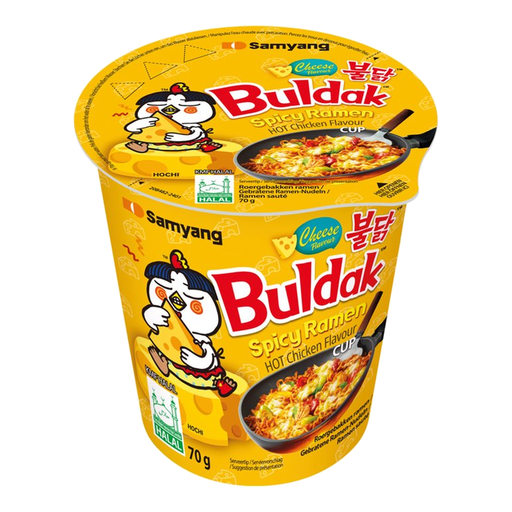
Why it suits this profile: This noodle cup is designed for quick preparation with hot water. The combination of spicy chicken sauce and cheese powder appeals to fans of cheesy noodles.
The cup format makes the preparation method clear: add hot water and wait according to the instructions on the packaging. The 70 g portion means you can try this flavour profile before buying a large stock.
Noodle cup, cheese powder and quick preparation. Contains wheat, milk and soya; check the ingredients if you have allergies.
We have put together a complete, up-to-date list of products that fully meet these strict selection criteria and the applicable European safety regulations.
Make a portion of instant noodles more filling without making preparation complicated:
Pay particular attention to the allergen information for Chinese instant noodles containing chilli oil, sesame or peanuts. According to the product description, several Sichuan-style varieties contain soya, sesame or peanuts, among other ingredients.
That depends on the portion size and ingredients. A pack weighing 245 to 278 g can serve as the basis for a meal, particularly with vegetables or an egg. A noodle cup of around 70 g is more suitable as a light meal or snack.
Start by using only some of the chilli oil or sauce if it is supplied in a separate sachet. You can also add extra noodles, vegetables, egg or tofu. Spicy noodles that are fully pre-mixed are harder to adjust, so check in advance whether the flavour components are separate.
Always check the best-before date on the packaging. Store unopened products according to the stated instructions, usually in a cool, dry place away from direct sunlight. Do not use a pack if it is damaged.
