
Vandaag of morgen in huis

Kwaliteit gegarandeerd

Welkomstaanbiedingen ontgrendelen: GRATIS bezorging | Tot 80% korting | Gratis 30 dagen JoyPlus-proefperiode
Download de app
Asian instant meals and snacks are a lifesaver for busy workdays, late study sessions or a quick meal at home. The range is vast: from Asian instant noodles and Korean ramen to instant biryani, dim sum siu mai, rice porridge and Asian desserts.
However, a striking packet doesn't guarantee the product will suit your eating habits. Pay close attention to preparation time, portion size, allergens and flavour intensity. That way, you can avoid a multipack sitting unused in your cupboard.
Terms like "hot", "fire" and "spicy chicken" don't always tell you how the flavour will actually taste. Samyang Buldak ramen and some Korean ramen, for example, combine chilli with sweet, creamy or savoury seasonings. If you're mainly after a mild broth, you could easily make the wrong choice.
So, take a look at the product description and ingredients list. Chilli, pepper, garlic, sour flavourings and creamy powders give you a much better idea than just the front of the packet.
A pack of five or twenty sachets might look like good value, but portion sizes vary between brands. Indomie noodles, for instance, come in portions of 70, 75 or 80 grams. Other ramen products contain 120, 130 or 140 grams per serving.
Don't just compare the price per pack – also check:
Asian products can contain wheat, soya, milk, sesame, peanuts, shellfish, fish or celery, among other things. This applies even to products that look simple at first glance.
Read the allergen information on the product page before you buy, and always check the physical label when your order arrives. The packaging may contain more or updated information than the online product description.
For a quick Asian meal, the difference between three and ten minutes is practically important. Some instant noodles only need to be covered with boiling water. Other products need to be boiled, drained and mixed with sauce.
Also check whether a microwave is suitable. Some cup noodles cannot be microwaved in their container.
Look at the allergen line, not just terms like "vegetarian" or "authentic Asian flavours". The Ashoka Bombay Biryani is described as suitable for vegetarians and vegans according to the product information, and is stated to contain none of the 14 major EU allergens. However, always check the current label with every purchase.
With ramen and noodles, nutritional values can vary widely. The products listed contain, for example, around 2.0 to 5.6 grams of salt per 100 grams, depending on the brand and variant. This makes comparing more useful than relying on the portion pack.
Store dry noodles, instant biryani and instant snacks in a cool, dry place, away from sunlight and moisture. Frozen products, such as siu mai, must be kept at -18 °C or lower and should not be refrozen once thawed, according to the product information.
When your order arrives, check:
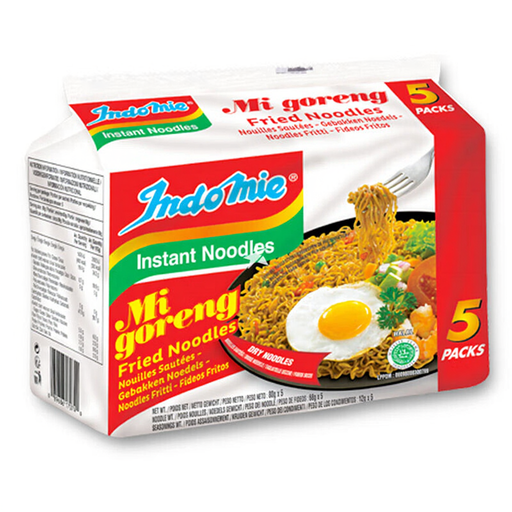
Why this fits the profile: A multipack of five portions for anyone wanting to try Indonesian noodles without buying a huge stock straight away.
The net weight and number of packets are clearly stated. The dry preparation method only needs boiling water and draining.
Five portions of 80 grams; seasoning oil, spices, sweet soy sauce and chilli powder are all included.
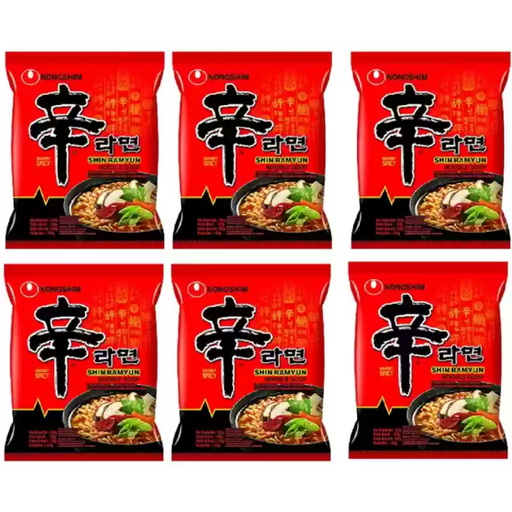
Why this fits the profile: For fans of a hearty Korean ramen broth with chilli, garlic and dried vegetables.
The product information states a preparation time of around 4.5 minutes and 550 ml of water. This makes the portion easy to plan ahead.
Six sachets of 120 grams; suitable for combining with egg, vegetables or meat. Note the extensive allergen list.
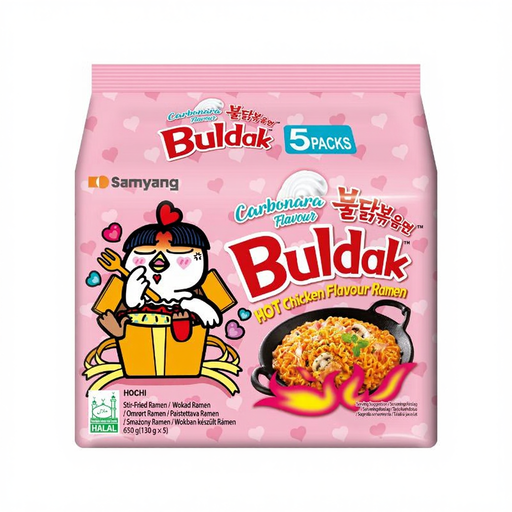
Why this fits the profile: For fans of spicy ramen who deliberately choose a creamy carbonara variant and want to keep several portions in stock.
The flavour profile is clearly described as spicy chicken with carbonara sauce. The ingredients and allergens list includes wheat, soya, milk and celery, among others.
Multipack with five portions of 130 grams; thick noodles and a separate seasoning powder for the stated sauce style.
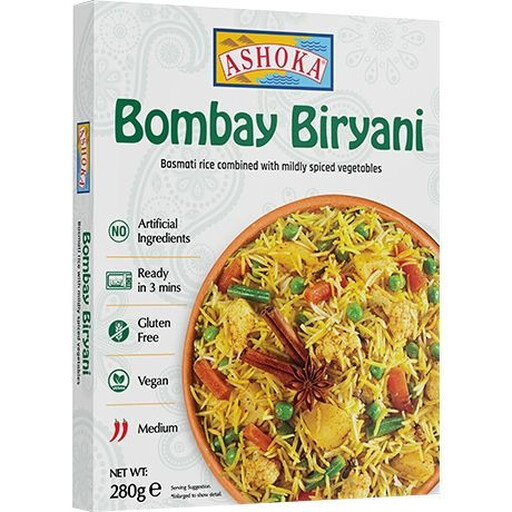
Why this fits the profile: A ready-to-eat rice meal for vegetarians and vegans who prefer not to eat noodles.
The product description mentions basmati rice, vegetables and a quick preparation method. You don't need to buy any separate spices or extra base ingredients.
280 grams, ready to eat and, according to the product information, free from artificial colours, flavourings and preservatives.
We've put together a full, up-to-date list of products that fully meet these strict selection criteria and comply with current European safety regulations.
Add, for example, egg, spring onion, pak choi, sweetcorn, tofu or mushrooms. Fried onions and cucumber go well with dry Indonesian noodles. Use extra chilli sauce carefully, as the flavour may already be heavily spiced.
The best-before date is on the packaging and varies by product. Dry noodles and rice porridge are generally suitable for storing in a cool, dry place. Frozen dim sum must be kept at a minimum of -18 °C until the stated date. Always check the physical label.
That depends on the child's taste and tolerance. Products like Samyang Buldak and some Nongshim variants are clearly spicy. Check the ingredients, perhaps prepare a smaller amount of sauce, and never let children work with boiling water unsupervised.
