
Vandaag of morgen in huis

Kwaliteit gegarandeerd

Welkomstaanbiedingen ontgrendelen: GRATIS bezorging | Tot 80% korting | Gratis 30 dagen JoyPlus-proefperiode
Download de app
Asian instant drinks make it easy to prepare milk tea, matcha latte, bubble tea or a spiced beverage at home, in the office or when entertaining. In most cases, you simply mix the powder with hot water. However, many packages look similar, while their ingredients, serving sizes and preparation methods can vary considerably.
If you focus only on eye-catching colours or claims such as “authentic flavour”, you may end up buying a product that does not suit your preferences. Use these practical checkpoints to make a more informed choice from the available drink powders.
A 1 kg bag may appear attractively priced, but first check how many grams you need per glass. Some mixes require three tablespoons of powder, plus additional creamer and syrup. A smaller box with individually portioned sachets may make it easier to control the cost per serving and will stay fresher after opening.
When comparing products, pay attention to:
Matcha latte powder often contains sugar, creamer and a smaller amount of matcha. This is convenient when you want to prepare a creamy drink quickly. Pure matcha powder, on the other hand, consists of finely ground green tea and is suitable for tea, smoothies, desserts and baking.
Always check the ingredients list. If sugar or creamer appears near the top, you are buying a blended mix. JP Nakayama Organic Matcha, for example, is described in the product information as 100% organic green tea, with no added flavourings or other ingredients. You use this differently from a ready-made latte mix.
Many instant milk tea, bubble tea and Thai tea mixes contain relatively high levels of carbohydrates and sugar. This is not necessarily a problem, but it is important information to consider when making your purchase. According to the stated nutritional information, Gold Kili Milk Tea contains 10.8 grams of sugar per 18-gram serving. Goldkili Instant Ginger Turmeric Drink contains approximately 15 grams of sugar per 16-gram sachet.
Always check the nutritional values per serving, rather than only per 100 grams. This prevents a small serving from appearing less substantial than it really is.
EU food regulations require sellers to clearly identify allergens. Pay particular attention to milk, soya, cereals containing gluten and fish. “Non-dairy creamer” does not always mean that a product is free from milk derivatives: ingredients such as sodium caseinate may be derived from milk.
Examples from the range include:
When in doubt, check the current packaging. Product information and formulations may change.
An instant drink is only truly convenient if the preparation method fits your routine. Xiang Yue Milk Tea requires one 22-gram sachet with 150 ml of water at a minimum temperature of 85 °C. Soyspring recommends 150 to 200 ml of hot water at a minimum temperature of 80 °C. JENI Matcha Flavor Powder includes a recipe using hot water or jasmine tea, creamer, fructose syrup and ice.
If speed is your priority, choose individual sachets or a mix with minimal preparation steps. For bubble tea, you should also allow time to prepare the tapioca pearls and use a large glass or wide straws.
Powders readily absorb moisture and odours from their surroundings. Store an opened package tightly sealed in a cool, dry place, away from direct sunlight and heat sources. Some products have additional storage instructions. Soyspring, for example, states that the product should be refrigerated at 0–6 °C after opening. Always follow the instructions on the packaging if they differ from general storage advice.
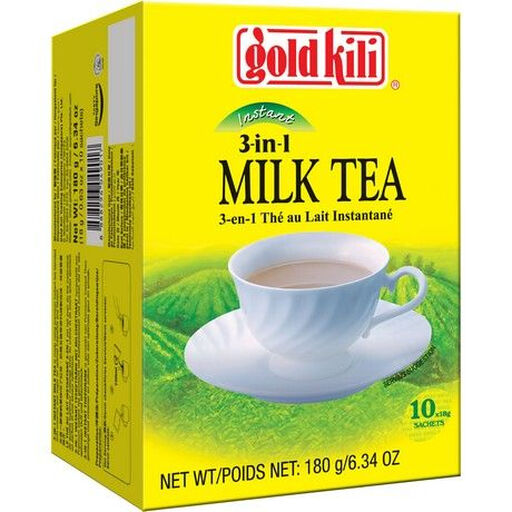
Why it’s a good fit: A 3-in-1 instant milk tea with 18-gram sachets. Ideal for preparing a quick drink without measuring out tea, milk and sugar separately.
The portions are pre-packed, making it easy to control the amount of powder. Do check the milk allergens and sugar content per sachet.
180 grams in total, individually portioned sachets and preparation without additional creamer.
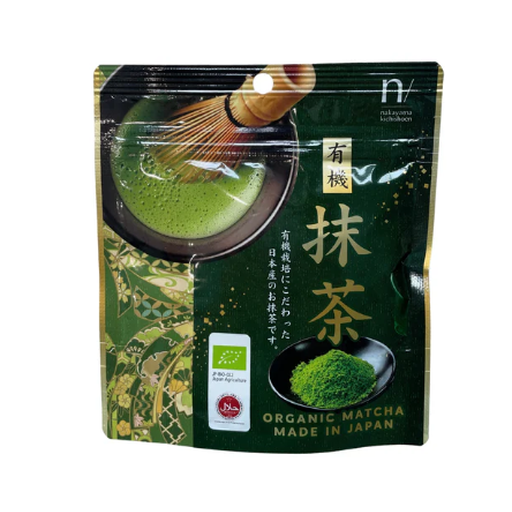
Why it’s a good fit: For anyone who wants to use matcha powder for tea, matcha lattes, smoothies or baking, while deciding how much sweetness and milk to add.
The ingredients list mentions only organic green tea, matcha and tencha. You are therefore buying pure matcha powder, not a sweet latte mix marketed as a pure product.
30 grams of 100% matcha powder, with no added flavourings or other ingredients according to the product information.
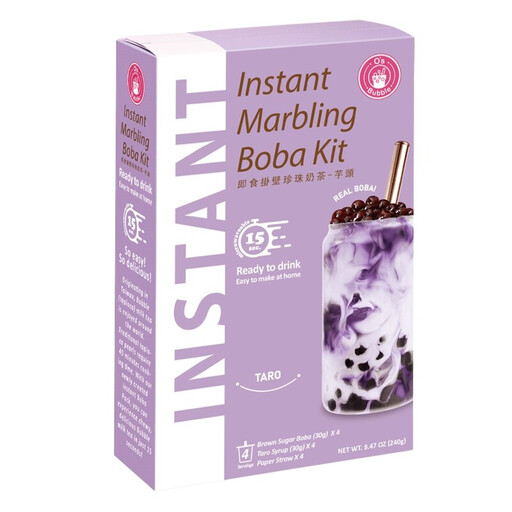
Why it’s a good fit: A complete kit with tapioca pearls and taro milk tea mix for a fun drink at home or at a small gathering.
You do not need to source the pearls and drink powder separately. Check the preparation time and milk allergen information before you begin.
A complete 240-gram set with taro flavour, milk tea mix and tapioca pearls.
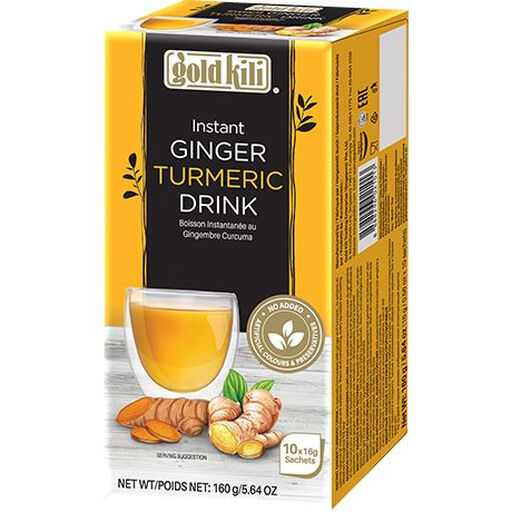
Why it’s a good fit: A quick choice for anyone looking for a warming instant ginger drink with turmeric extract, without having to brew tea or coffee.
The product information clearly states that it contains 10% ginger extract and 10% turmeric extract. The drink also contains sugar, so check the nutritional values per sachet.
An allergen-free ingredient declaration and a formula featuring ginger and turmeric extracts.
Browse the current drink powder range and compare drink mixes by flavour, format, ingredients and preparation method.
Follow the quantities shown on the packaging. Usually, you add one sachet or a measured amount of powder to hot water and stir until fully dissolved. For a cold drink, mix the powder with a small amount of hot water first, then add ice and cold water. When using matcha powder, use a whisk or milk frother to reduce clumping.
Pure matcha powder consists of green tea and generally contains no sugar or creamer. Matcha latte powder is a blended drink mix that may contain sugar, plant-based creamer, milk derivatives and matcha. Choose pure matcha powder if you want to control the proportions yourself or use it in recipes. Choose a latte mix when convenience and a creamy flavour matter more.
Check the best-before date on the packaging. Store unopened products in a cool, dry place away from direct sunlight. Seal an opened bag or box airtight and follow any additional instructions, such as refrigeration after opening. Do not use a product if the packaging is damaged or if it has clearly absorbed moisture and developed lumps.
